
How to Pay Bills with Bitcoin: Lightning Network Guide
Learn to pay electric bills, rent & credit cards with Bitcoin. Step-by-step guide to services, Lightning Network fees & security best practices.
Buy Bitcoin with Zero Fees with Rhino
The most secure way to stack sats. Simple, fast, and zero trading fees.
How to Pay Bills with Bitcoin: Lightning Network Guide
Paying bills with Bitcoin is now possible through specialized payment services that convert your crypto into traditional currency for utility companies, landlords, and creditors. These services typically charge fees ranging from 1-4% while providing the convenience of using your Bitcoin holdings for everyday expenses without triggering taxable events in some jurisdictions.
The ability to pay bills directly with Bitcoin represents a significant step toward mainstream digital asset adoption, allowing holders to utilize their digital assets for routine financial obligations. Modern Bitcoin bill payment platforms leverage Lightning Network technology for faster, cheaper transactions while maintaining the security and decentralization that makes Bitcoin attractive to users seeking financial sovereignty.
Bitcoin bill payment services bridge the gap between cryptocurrency holdings and traditional financial obligations, offering a practical solution for individuals who prefer to keep their wealth in Bitcoin while meeting their monthly fiat payment requirements. These platforms typically support major bill categories including utilities, rent, mortgages, credit cards, and subscription services.
Key Points
- Bitcoin bill payment services convert bitcoin and crypto into fiat currency for traditional billers
- Typical fees range from 1-4% depending on the service provider and payment method
- Lightning Network integration enables faster, cheaper Bitcoin transactions
- Most services support utilities, rent, mortgages, credit cards, and subscription payments
- Some jurisdictions may not consider bill payments as taxable cryptocurrency events
- Automated recurring payments can be set up for regular monthly bills
- Security features include multi-signature wallets and encrypted payment processing.
What Is Bitcoin Bill Payment?
Bitcoin bill payment is a financial service that allows digital asset holders to pay traditional bills using their Bitcoin holdings without directly converting to fiat currency themselves. These services act as intermediaries, accepting Bitcoin payments and then settling bills with traditional payment methods accepted by utility companies, landlords, and other service providers.
The concept emerged from the need to bridge the gap between Bitcoin adoption and everyday financial obligations. While Bitcoin has gained widespread acceptance as a global store of value and investment vehicle, most traditional billers still require payments in fiat currency through conventional banking systems.
Bitcoin Bill Payment Service: A financial technology platform that accepts Bitcoin payments from users and converts them to traditional currency to pay bills on behalf of the user.
How Bitcoin Payment Service Providers Work
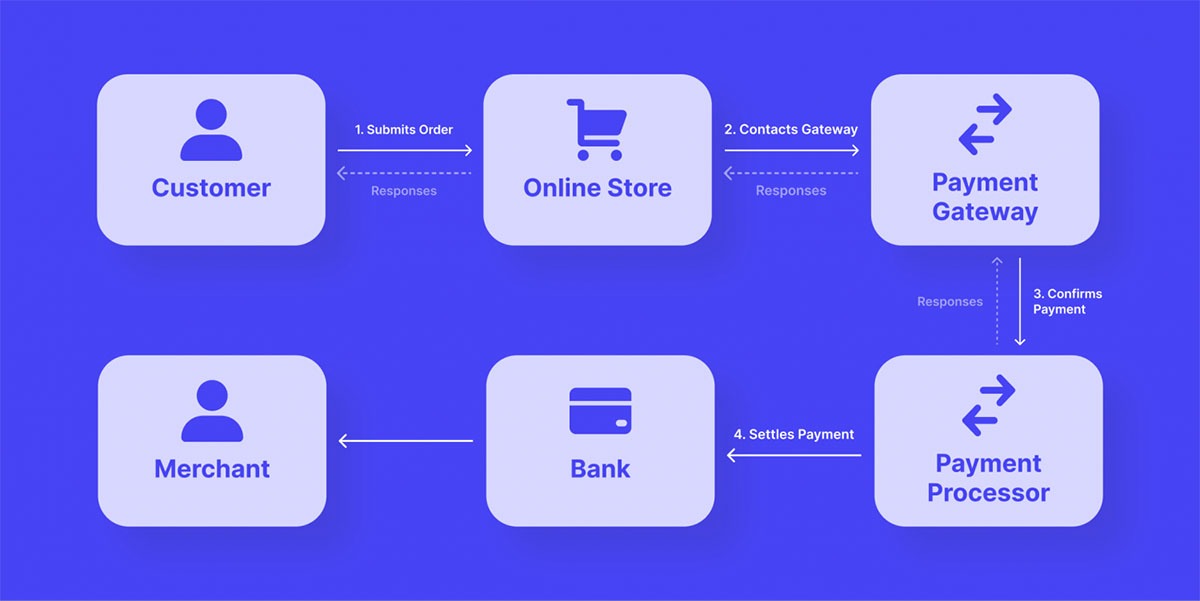
Source: B2BinPay
These services typically operate through web platforms or mobile applications where users can link their Bitcoin wallets, add billers, and schedule payments. The process involves real-time currency conversion, payment processing, and confirmation tracking to ensure bills are paid accurately and on time.
Key benefits of Bitcoin bill payment services include:
- Maintaining Bitcoin holdings while meeting financial obligations
- Avoiding traditional banking relationships for bill payments
- Potential tax advantages in certain jurisdictions
- Enhanced privacy compared to traditional payment methods
- Global accessibility for international payments
- Integration with Bitcoin's Lightning Network for reduced fees.
How Bitcoin Bill Payment Works
Bitcoin bill payment systems operate through a multi-step process that seamlessly converts cryptocurrency into traditional payments accepted by billers. The user initiates a payment request through the service platform, which then handles currency conversion, payment processing, and confirmation delivery back to the user.
The technical process begins when a user submits a payment request containing the biller information, payment amount, and desired payment date. The service calculates the required Bitcoin amount based on current exchange rates, including any applicable fees, and generates a payment request to the user's wallet.
Currency Conversion: The process of exchanging Bitcoin for fiat currency at current market rates, typically including a small spread or conversion fee charged by the payment service.
Visual Representation of Price Spread as Market Moves
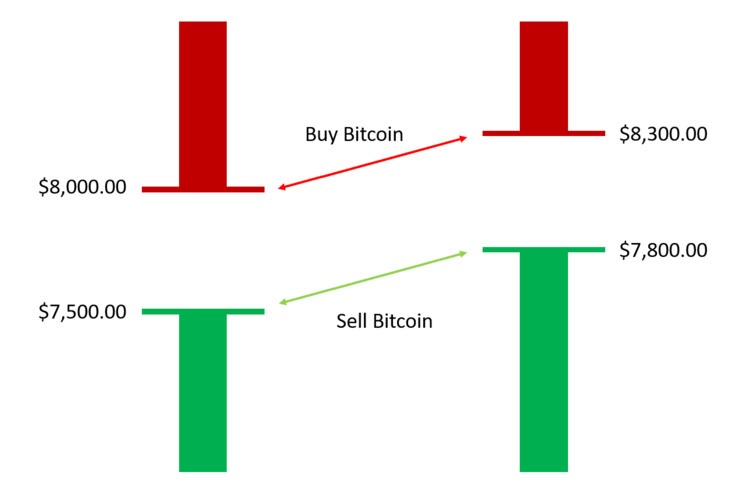
Source: Shrimpy
Once the bitcoin payment is received and confirmed on the blockchain, the service converts the bitcoin to the appropriate fiat currency and initiates payment to the biller using traditional methods such as ACH transfers, wire transfers, or credit card payments. This conversion typically occurs in real-time to minimize exposure to Bitcoin’s price volatility.
The complete workflow includes these essential steps:
- User selects biller and enters payment amount in fiat currency
- Service calculates required Bitcoin amount including fees
- Bitcoin payment request is generated and sent to user's wallet
- User confirms and sends Bitcoin payment to service address
- Service waits for blockchain confirmation (typically 1-6 block confirmations)
- Bitcoin is converted to fiat currency at current market rates
- Traditional payment is initiated to the biller
- Payment confirmation is sent back to the user.
Most services provide tracking capabilities that allow users to monitor payment status throughout the process, from initial Bitcoin transaction submission through final biller confirmation. This transparency helps users maintain confidence in the payment process and provides necessary documentation for record-keeping purposes.
What Types of Bills Can You Pay with Bitcoin?
Bitcoin bill payment services typically support a wide range of traditional bill types, covering most recurring expenses that individuals and businesses encounter monthly. The most commonly supported categories include utilities, housing payments, credit obligations, and subscription services, though availability varies by service provider and geographic region.
Utility bills represent the largest category of supported payments, including electricity, gas, water, sewer, and telecommunications services. Most major utility companies in the United States and other developed countries can receive payments through Bitcoin bill payment services, though the specific companies supported depend on the service provider's partnerships and payment processing capabilities.
Bill Payment Categories
Utilities (Electric, gas, water, internet, phone)
- Available with 95% of providers
- Usually fastest processing
Housing (Rent, mortgage, HOA fees)
- Available with 80% of providers
- May require verification
Credit Cards (Visa, Mastercard, Amex)
- Available with 90% of issuers
- Often treated as cash advance
Insurance (Auto, health, life, property)
- Available with 70% of providers
- Payment timing critical
Subscriptions (Streaming, software, memberships)
- Available with 85% of services
- Recurring setup available
Government (Taxes, fees, permits)
- Limited availability
- Varies by jurisdiction
ACH Transfer: Automated Clearing House transfers are electronic bank-to-bank money transfers that most bill payment services use to send payments to traditional billers.
A Diagram of How ACH Transfers Work
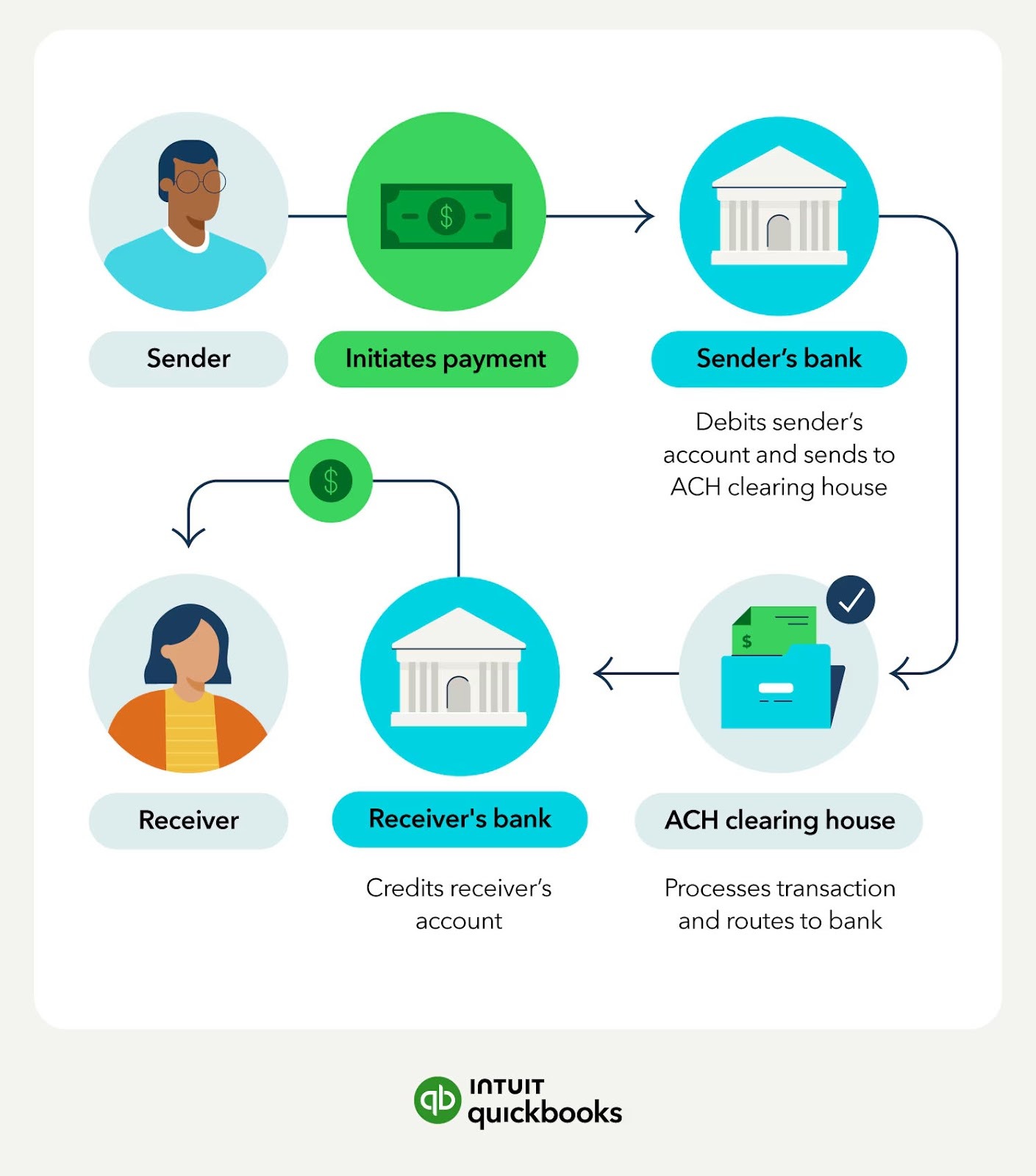
Source: Intuit
Housing-related payments including rent and mortgage payments are increasingly supported, though these often require additional verification steps due to the larger payment amounts involved. Some services specialize in real estate payments and offer enhanced features like escrow services and automated monthly payments for property management companies.
Credit card payments through Bitcoin services require careful consideration, as many credit card companies treat these payments as cash advances rather than regular payments, potentially triggering higher fees and immediate interest charges. Users should verify with their credit card issuer how Bitcoin-originated payments are classified before using these services for credit card bills.
Government-related payments present the most limitations, as tax authorities and government agencies often have strict requirements about acceptable payment methods. However, some jurisdictions are beginning to accept cryptocurrency payments for certain taxes and fees, with growing adoption by forward-thinking municipalities.
What Are the Best Bitcoin Bill Payment Services?
The leading Bitcoin bill payment services distinguish themselves through competitive fee structures, extensive biller networks, robust security features, and user-friendly interfaces.
BitPay, PayWithMoon, and Spritz Finance currently dominate the market, each offering unique advantages depending on user needs and geographic location.
Service selection should be based on factors including supported billers, fee structures, security features, user interface quality, customer support availability, and integration with preferred Bitcoin wallets. Additionally, users should consider whether services support Lightning Network payments, which can significantly reduce transaction costs and processing times.
Lightning Network: A second-layer payment protocol that enables faster, cheaper Bitcoin transactions by creating payment channels between users, ideal for smaller bill payments and recurring transactions.
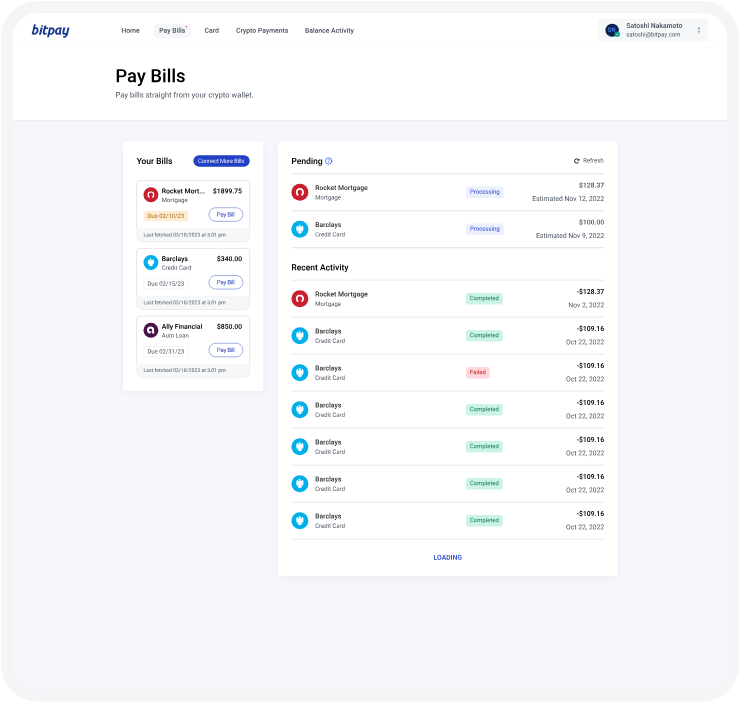
BitPay operates as one of the most established Bitcoin payment processors, offering bill payment services alongside merchant payment solutions. Their platform supports thousands of billers across multiple countries and provides both web and mobile interfaces for payment management. BitPay's strength lies in its extensive biller network and institutional-grade security features.
Bitpay Allows Payment of Bills Using Bitcoin Directly within its Platform
Source: Bitpay
Evaluation criteria for selecting Bitcoin bill payment services include:
- Number and variety of supported billers in your region
- Fee structure transparency and competitiveness
- Security features including multi-signature wallets and insurance
- User interface quality and ease of use
- Customer support availability and responsiveness
- Lightning Network support for reduced fees
- Payment processing speed and reliability
- Geographic coverage and regulatory compliance.
Newer services like Spritz Finance focus specifically on Lightning Network integration, offering significantly lower fees for smaller payments while maintaining security and reliability. These services represent the next generation of Bitcoin bill payment platforms, leveraging advanced Bitcoin technology to reduce costs and improve user experience.
When evaluating services, users should also consider integration capabilities with their existing Bitcoin Lightning wallet setup and whether the service provides features like automatic recurring payments, payment scheduling, and detailed transaction history for tax reporting purposes.
What Are the Costs and Fees for Bitcoin Bill Payments?
Bitcoin bill payment services typically charge fees ranging from 1% to 4% of the payment amount, with additional charges possible for expedited processing, international payments, or premium features. Fee structures vary significantly between providers, with some charging flat rates while others use percentage-based models that scale with payment amounts.
Understanding fee structures is crucial for determining the cost-effectiveness of using Bitcoin for bill payments compared to traditional methods. Users should calculate total costs including service fees, Bitcoin network fees, and potential currency conversion spreads when evaluating whether Bitcoin bill payment services provide value for their specific situation.
Fee Breakdown
Service Fee (1-4% of payment)
- Applied to every transaction
- Choose services with lower rates
Bitcoin Network Fee ($1-20 per transaction)
- Applied to on-chain payments
- Use Lightning Network when available
Currency Conversion (0.5-2% spread)
- Applied during real-time conversion
- Time payments during stable markets
Expedited Processing ($5-25 flat fee)
- Applied to same-day payments
- Plan payments in advance
International Payments (Additional 1-3%)
- Applied to cross-border bills
- Compare to traditional wire fees
Network Fee: The cost paid to Bitcoin miners for processing transactions on the blockchain, which varies based on network congestion and transaction priority.
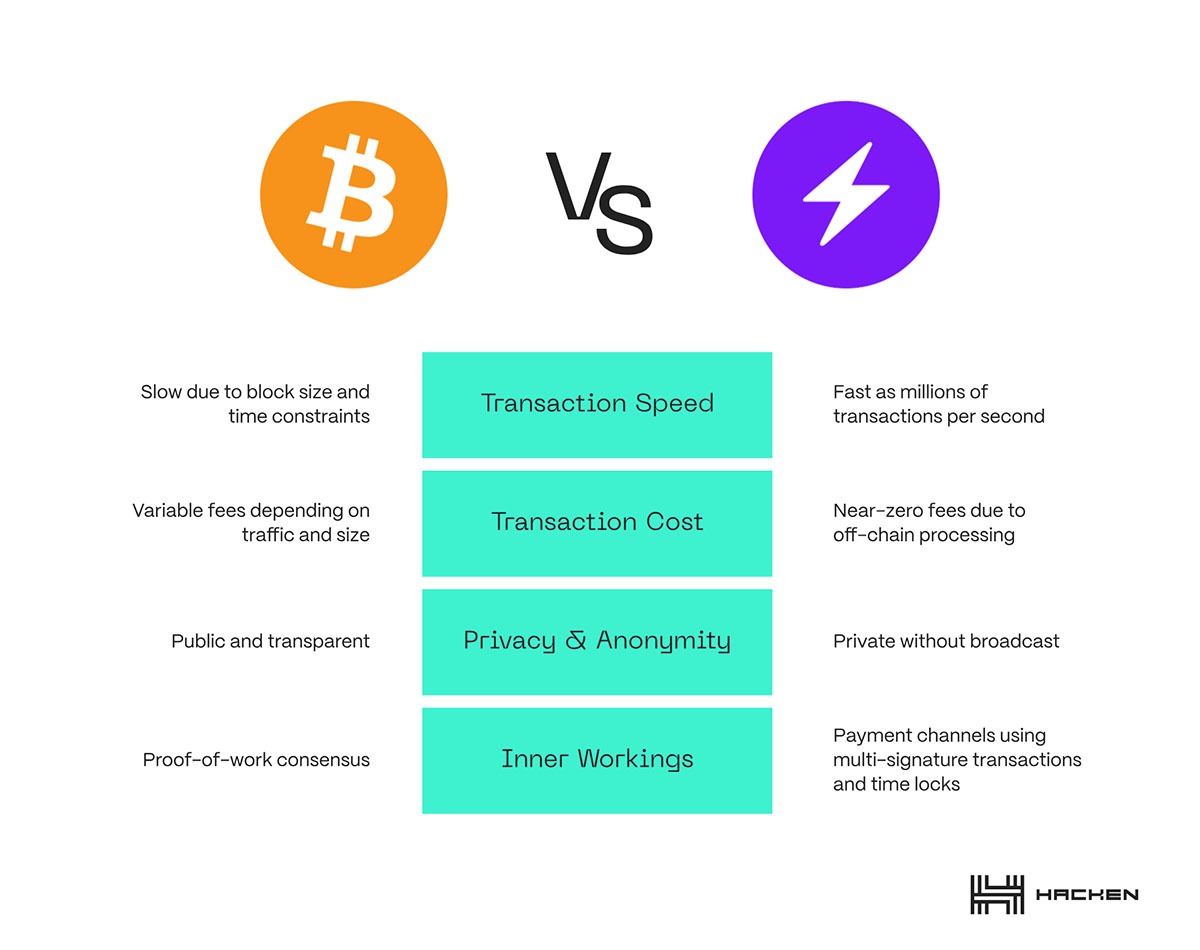
Lightning Network integration significantly reduces costs for Bitcoin bill payments by eliminating or minimizing traditional Bitcoin network fees. Services supporting Lightning payments often charge substantially lower fees, sometimes reducing total costs to under 1% for smaller payments while maintaining the same security and reliability standards.
Bitcoin Transactions vs Lightning Network Transactions
Source: Hacken
Hidden costs can include currency conversion spreads, where services profit from the difference between the Bitcoin exchange rate they offer and current market rates. Transparent services clearly display their exchange rates and any spreads applied, while less reputable providers may embed additional costs within seemingly competitive headline rates.
Cost comparison with traditional payment methods reveals that Bitcoin bill payment services can be competitive for certain use cases, particularly international payments or situations where users want to avoid traditional banking relationships.
However, for simple domestic bill payments, traditional methods may remain more cost-effective unless users derive additional value from using Bitcoin.
Users can minimize costs by:
- Choosing services with Lightning Network support for smaller payments
- Scheduling payments in advance to avoid expedited processing fees
- Comparing total costs including all fees and spreads
- Using services during periods of low Bitcoin network congestion
- Consolidating multiple bill payments when possible
- Taking advantage of promotional rates or volume discounts.
How to Set Up Bitcoin Bill Payment
Setting up Bitcoin bill payment involves creating an account with a payment service, verifying your identity, connecting your Bitcoin wallet, and adding your billers with their payment information. The process typically takes 15-30 minutes for initial setup, with additional time required for identity verification and biller confirmation depending on the service provider's requirements.
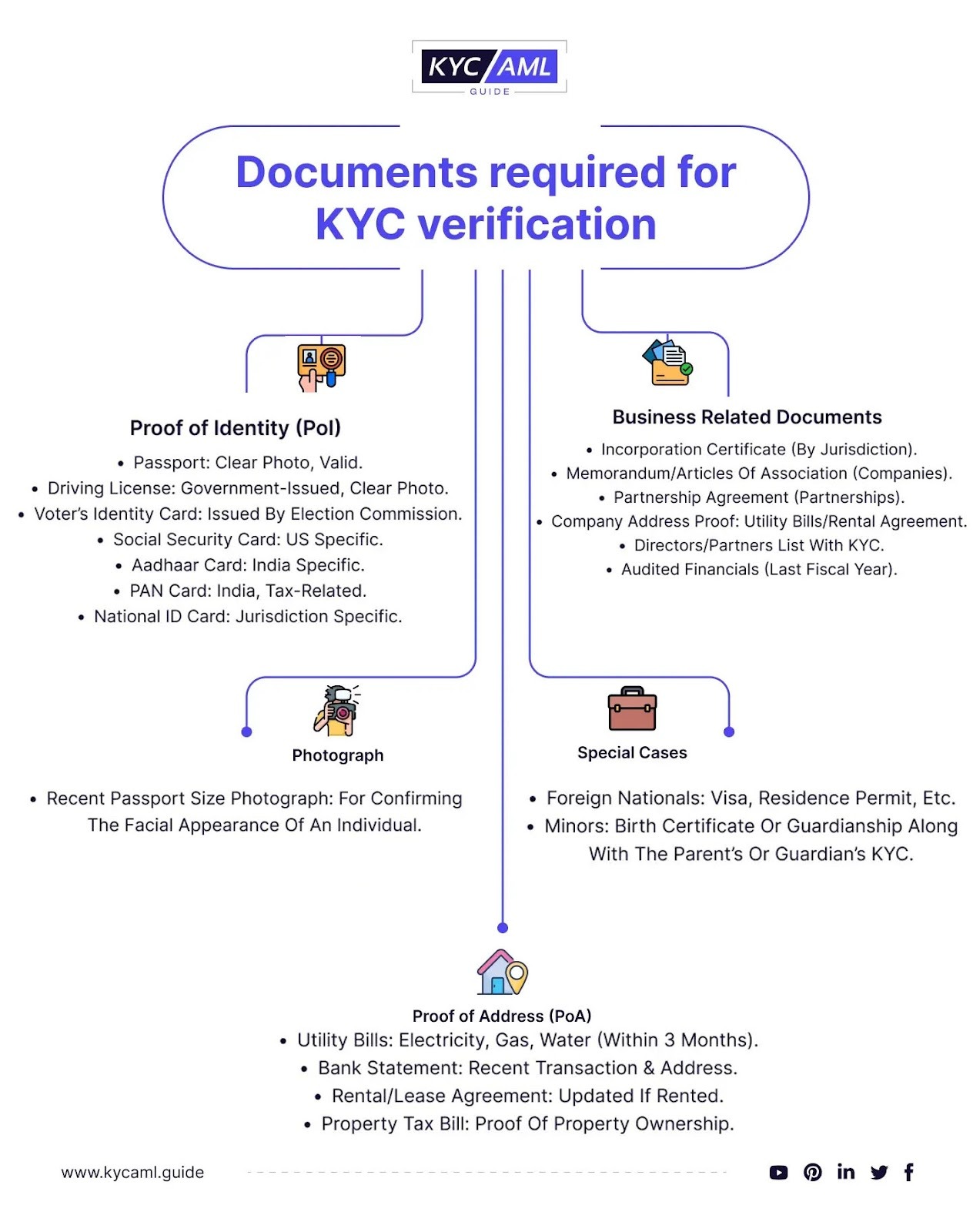
Account creation begins with basic information including name, email address, and phone number, followed by identity verification that may require government-issued identification documents. This verification process ensures compliance with anti-money laundering (AML) and know-your-customer (KYC) regulations that govern financial services in most jurisdictions.
KYC Verification: Know Your Customer procedures required by financial service providers to verify user identity and comply with regulatory requirements for preventing money laundering and fraud.
Typical Documents Required for KYC/AML Verification
Source: KYCAML
Wallet connection methods vary by service, with options including QR code scanning for mobile wallets, manual address entry, or API integration for supported wallet types. Some services provide their own wallet functionality, while others integrate with popular Bitcoin wallets including hardware wallets for enhanced security.
The step-by-step setup process includes:
- Choose a reputable Bitcoin bill payment service based on your needs
- Create an account using a secure email address and strong password
- Complete identity verification by uploading required documents
- Connect your preferred Bitcoin wallet using the service's integration method
- Add your first biller by entering account information and verifying details
- Test the system with a small payment to ensure everything works correctly
- Set up additional billers and configure recurring payments as needed
- Enable security features like two-factor authentication.
Biller setup requires accurate account information including account numbers, payment addresses, and any reference numbers required by the service provider. Some billers may require verification through micro-deposits or confirmation codes before payments can be processed, similar to traditional online banking setup procedures.
Security configuration should include enabling two-factor authentication, setting up payment notifications, and reviewing privacy settings to ensure your personal information is protected according to your preferences. Many services also offer the ability to set payment limits and require additional confirmation for large transactions.
Integration with existing Bitcoin wallet infrastructure ensures seamless payment processing while maintaining security best practices. Users should verify that their chosen service supports their preferred wallet type and offers the security features necessary for their risk tolerance and payment volume.
What Are the Security Considerations for Users when using Bitcoin Bill Payments?
Bitcoin bill payment security requires careful attention to wallet security, service provider selection, and transaction verification to protect against fraud, hacking, and loss of funds. Users should implement multi-layered security approaches including secure wallet practices, service vetting, and transaction monitoring to minimize risks associated with cryptocurrency bill payments.
Service provider security evaluation should focus on factors including regulatory compliance, insurance coverage, security audit history, and incident response procedures. Reputable services typically provide detailed security information and maintain transparency about their protection measures and any historical security incidents.
Multi-Signature Wallet: A Bitcoin wallet that requires multiple private keys to authorize transactions, providing enhanced security by distributing control among multiple parties or devices.
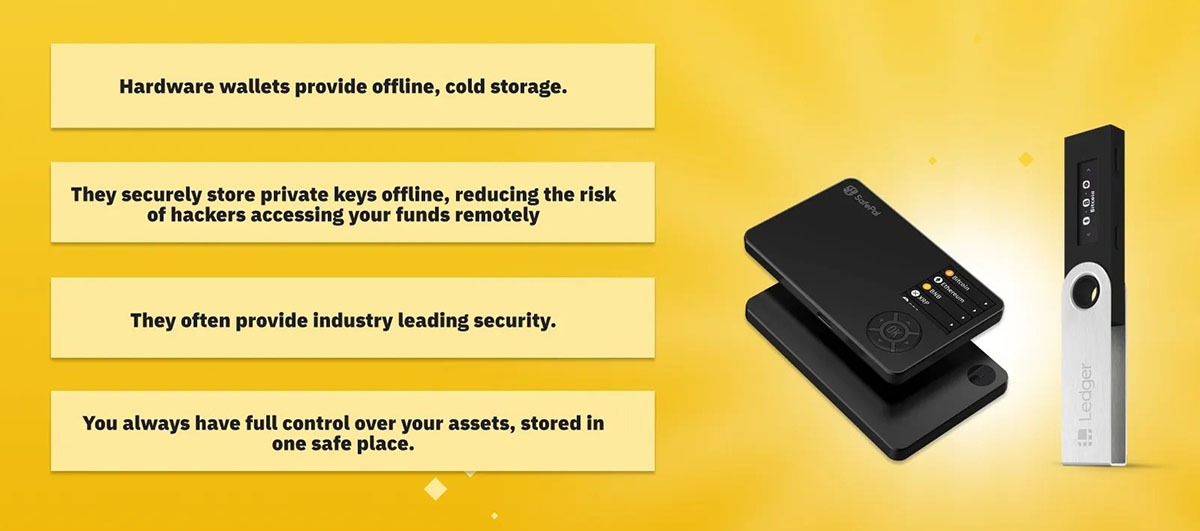
Wallet security best practices become critical when using bill payment services, as compromised wallets can lead to unauthorized payments and loss of funds. Users should employ hardware wallets for large balances, enable all available security features, and maintain secure backup procedures for wallet recovery phrases.
Essential security measures include:
- Using hardware wallets or secure software wallets with strong encryption
- Enabling two-factor authentication on all payment service accounts
- Verifying payment details before confirming transactions
- Monitoring transaction confirmations and payment status
- Keeping software and wallet applications updated
- Using unique, strong passwords for all related accounts
- Regularly reviewing account activity and payment history
- Maintaining secure backups of wallet recovery information.
Benefits of Using Hardware Wallets
Source: Binance
Transaction verification procedures help prevent errors and fraud by ensuring payments are sent to correct addresses and for accurate amounts. Users should double-check biller information, payment amounts, and recipient details before confirming any Bitcoin payment, as cryptocurrency transactions are typically irreversible once confirmed on the blockchain.
Service provider insurance and protection measures vary significantly between platforms, with some offering insurance coverage for user funds while others operate on a caveat emptor basis. Users should understand the protection measures provided by their chosen service and consider additional security measures based on their risk tolerance and payment volumes.
Privacy considerations include understanding how payment services handle personal information, transaction data, and compliance reporting. While Bitcoin transactions provide pseudonymity, bill payment services often require identity verification and maintain detailed records that may be subject to regulatory reporting requirements.
What Are the Tax Implications of Paying Bills with Bitcoin?
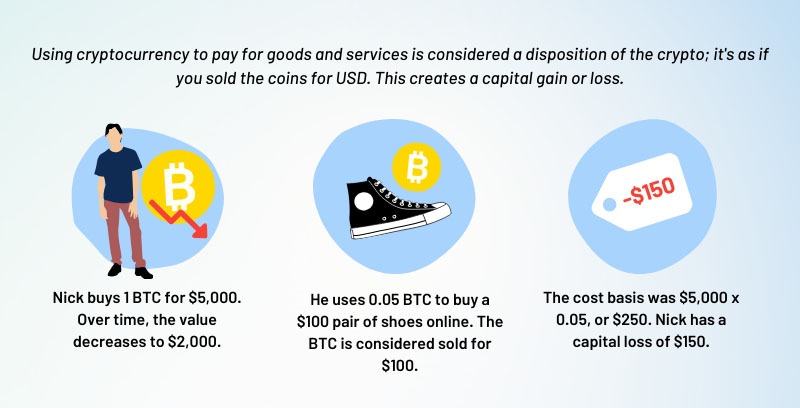
Paying bills with Bitcoin may create taxable events in many jurisdictions, as cryptocurrency payments are often treated as disposals that can trigger capital gains or losses. Tax obligations depend on factors including local tax laws, the cost basis of Bitcoin used for payments, current market value, and how long the Bitcoin was held before use.
In the United States, the Internal Revenue Service treats cryptocurrency payments as taxable events where users must calculate capital gains or losses based on the difference between the Bitcoin's cost basis and its fair market value at the time of payment. This requirement applies regardless of whether users realize traditional currency from the transaction.
An Example of Taxes When Spending Bitcoin
Source: GordonLaw
Cost Basis: The original purchase price of Bitcoin plus any associated fees, used to calculate capital gains or losses when cryptocurrency is sold or used for payments.
Record-keeping requirements for Bitcoin bill payments include maintaining detailed transaction records showing purchase dates, cost basis, payment dates, fair market values, and the specific Bitcoin used for each payment. These records become essential for accurate tax reporting and potential audit defense.
Tax implications vary by jurisdiction and individual circumstances:
- Capital gains calculations based on Bitcoin appreciation or depreciation
- Holding period determination for short-term vs. long-term capital gains rates
- Record-keeping requirements for all Bitcoin transactions
- Potential deductions for business-related bill payments
- Reporting requirements for cryptocurrency transaction disclosure
- State and local tax considerations that may differ from federal requirements.
Some jurisdictions provide specific guidance or exemptions for cryptocurrency bill payments, particularly for small amounts or specific types of transactions. Users should research their local tax laws or consult with tax professionals to understand their specific obligations and any available exemptions or special treatment.
Professional tax advice becomes particularly valuable for users making substantial Bitcoin bill payments or those with complex tax situations involving multiple cryptocurrencies, business expenses, or international transactions. Tax professionals specializing in cryptocurrency can provide guidance on optimization strategies and compliance requirements.
Documentation tools and services help users maintain accurate records for tax reporting, with some Bitcoin bill payment services providing detailed transaction exports and tax reporting assistance. Users should verify that their chosen service provides adequate documentation for their tax reporting needs.
How Does Lightning Network Improve Bitcoin Bill Payments?
Lightning Network technology dramatically improves Bitcoin bill payments by reducing transaction fees, enabling instant settlement, and supporting smaller payment amounts that would be cost-prohibitive on the main Bitcoin blockchain. These improvements make Bitcoin bill payments more practical for everyday use and competitive with traditional payment methods.
Transaction cost reduction represents the most significant advantage, with Lightning payments typically costing fractions of a penny compared to main chain Bitcoin transactions that can cost $1-50 depending on network congestion. This cost difference makes Lightning ideal for utility bills, subscription payments, and other recurring expenses where fees would otherwise represent a significant percentage of payment amounts.
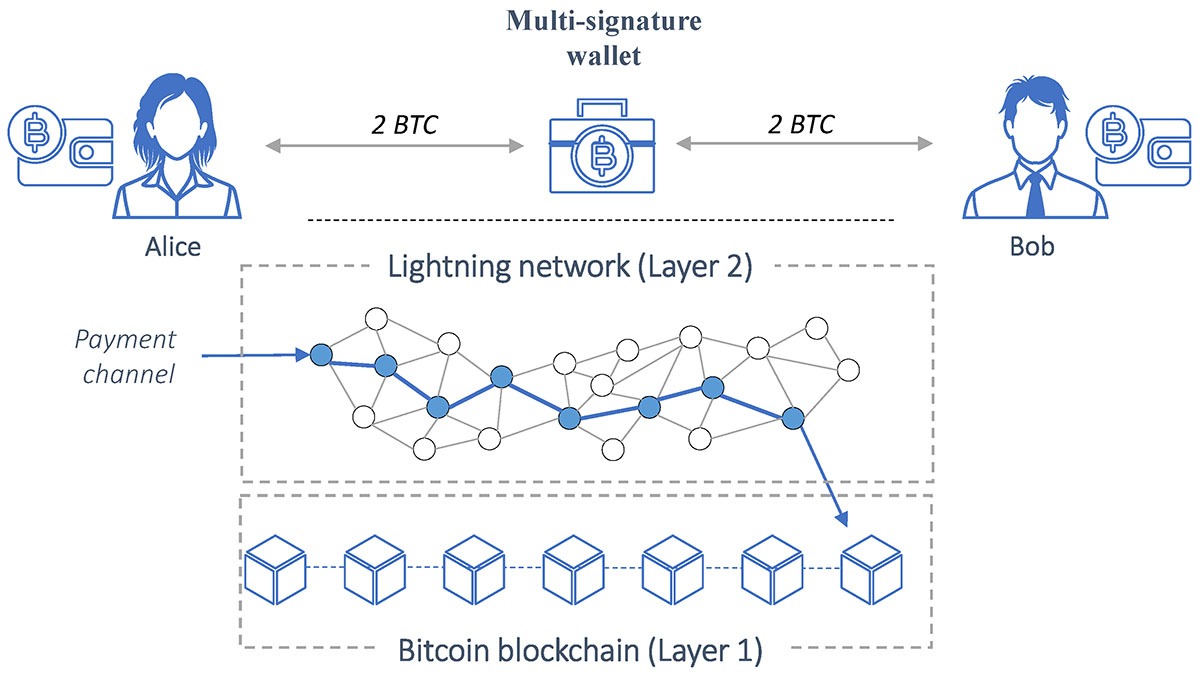
Payment Channel: A Lightning Network feature that allows two parties to conduct multiple Bitcoin transactions off-chain with only the opening and closing transactions recorded on the main blockchain.
A Visual Representation of Payment Channels
Source: MDPI
Settlement speed improvements enable near-instant payment processing, with Lightning transactions typically confirming within seconds compared to 10-60 minutes for traditional Bitcoin transactions. This speed advantage allows bill payment services to provide real-time payment confirmation and reduces the time between Bitcoin payment and biller settlement.
Lightning Network advantages for bill payments include:
- Transaction fees under $0.01 for most payment amounts
- Near-instant settlement and confirmation
- Improved scalability supporting high transaction volumes
- Enhanced privacy through multi-hop payment routing
- Reduced blockchain congestion by moving transactions off-chain
- Better user experience with immediate payment feedback
- Support for micropayments and subscription billing models.
Service integration with Lightning Network varies among bill payment providers, with newer services often built specifically for Lightning while traditional providers add Lightning support as an additional feature. Users should verify Lightning compatibility when selecting services to take advantage of these cost and speed benefits.
Network reliability has improved significantly as Lightning Network infrastructure has matured, with increased routing reliability and growing liquidity across payment channels. However, users should understand that Lightning payments require active channel management and may occasionally fail due to routing issues or insufficient channel liquidity.
The technical infrastructure supporting Lightning bill payments continues to evolve, with improvements in wallet software, payment routing algorithms, and channel management tools making Lightning payments more reliable and user-friendly. This ongoing development positions Lightning Network as the preferred method for routine Bitcoin bill payments.
How to Set Up Recurring Bitcoin Bill Payments
Recurring Bitcoin bill payments automate monthly expenses by scheduling automatic payments from your Bitcoin wallet to bill payment services, which then handle conversion and payment to traditional billers. This automation requires careful setup to manage Bitcoin price volatility, ensure adequate wallet balances, and maintain security while providing the convenience of automated bill management.
Automated payment setup typically involves creating payment schedules within bill payment service platforms, configuring wallet permissions for recurring transactions, and establishing balance monitoring systems to ensure sufficient Bitcoin is available for scheduled payments. Users must balance automation convenience with security considerations and volatility management.
Payment Schedule: An automated system that triggers bill payments on predetermined dates, typically requiring pre-authorization or wallet integration to execute payments without manual intervention.
Volatility management becomes crucial for recurring Bitcoin bill payments, as Bitcoin price fluctuations can significantly impact the amount of cryptocurrency needed for fixed-dollar bill amounts. Services may offer various approaches including price averaging, volatility buffers, or payment amount adjustments to manage this risk.
Configuration steps for recurring Bitcoin bill payments:
- Select bills suitable for automation (typically fixed-amount utilities and subscriptions)
- Choose a bill payment service with robust recurring payment features
- Set up wallet integration with appropriate permission levels
- Configure payment schedules with adequate advance timing
- Establish balance monitoring and low-balance alerts
- Set up volatility management parameters and payment limits
- Test the system with one or two bills before expanding
- Configure backup payment methods for failed transactions
Balance management strategies ensure adequate Bitcoin is available for scheduled payments while minimizing exposure to price volatility. Some users maintain dedicated Bitcoin balances for bill payments, while others integrate recurring payments with broader portfolio management strategies.
Security considerations for automated payments include setting appropriate transaction limits, maintaining control over wallet keys, and implementing monitoring systems to detect unauthorized or erroneous payments. Users should regularly review automated payment activity and maintain the ability to modify or cancel recurring payments as needed.
Integration with personal financial management tools helps users track recurring Bitcoin bill payments alongside traditional expenses, providing comprehensive visibility into monthly cash flow and cryptocurrency utilization. Some services offer spending categorization and budgeting tools specifically designed for cryptocurrency bill payments.
How to Troubleshoot Common Bitcoin Bill Payment Issues
Common Bitcoin bill payment issues include transaction delays, payment failures, incorrect amounts, and communication problems between payment services and billers. Successful troubleshooting requires understanding the payment process, maintaining proper documentation, and knowing when to contact customer support or billers directly for resolution.
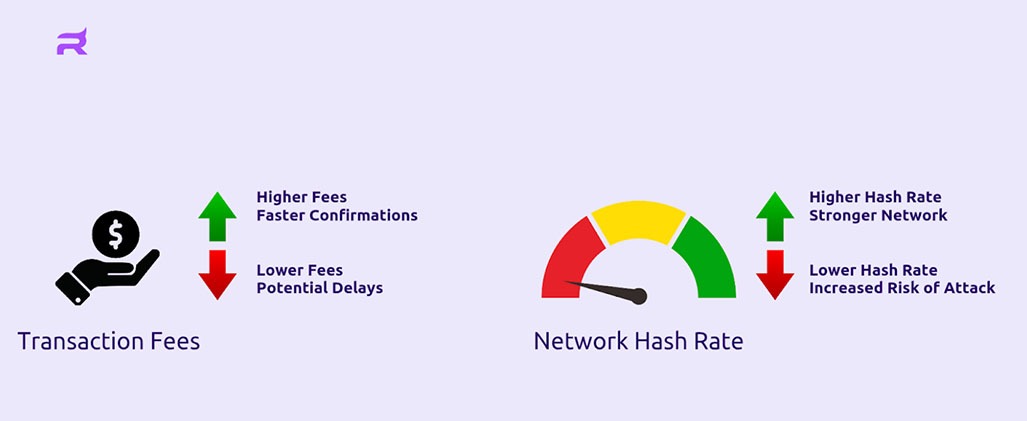
Transaction delays often result from Bitcoin network congestion, insufficient network fees, or payment service processing backlogs. Users can typically resolve delays by checking blockchain confirmation status, verifying adequate fees were paid, and contacting the payment service if processing times exceed stated timeframes.
Blockchain Confirmation: The process by which Bitcoin transactions are verified and recorded on the blockchain, typically requiring 1-6 confirmations before payment services consider transactions final.
Factors Impacting Confirmation Speed
Source: Rhino Bitcoin
Payment failures can occur due to insufficient Bitcoin balances, network connectivity issues, incorrect biller information, or service technical problems. Systematic troubleshooting helps identify the root cause and appropriate resolution steps for each type of failure.
Common troubleshooting scenarios and solutions:
- Transaction stuck unconfirmed: Check network fees and consider fee replacement options
- Payment rejected by biller: Verify account information and contact biller customer service
- Incorrect payment amount: Review exchange rates and fee calculations at time of payment
- Service unavailable: Check for maintenance announcements and try alternative payment methods
- Wallet connection issues: Verify wallet compatibility and update software if necessary
- Missing payment confirmation: Check spam folders and verify contact information with service
- Biller hasn't received payment: Provide transaction details to both service and biller.
Documentation maintenance helps resolve issues by providing necessary transaction details, timestamps, and confirmation numbers when contacting customer support. Users should maintain records of Bitcoin transaction IDs, payment service reference numbers, and any communication with billers or service providers.
Prevention strategies minimize common issues by using reputable services, maintaining updated software, verifying payment details before submission, and monitoring account balances and transaction status. Regular testing with small payments helps identify potential issues before they affect critical bill payments.
Customer support escalation procedures vary by service provider, with some offering 24/7 support while others operate during business hours only. Users should understand support availability and escalation procedures for their chosen services, particularly for time-sensitive bill payments with late fee implications.
Alternative payment methods should be maintained as backup options for critical bills, ensuring that Bitcoin payment failures don't result in service interruptions or late fees. This redundancy provides peace of mind while using cryptocurrency for essential monthly expenses.
What Is the Future of Bitcoin Bill Payments?
The future of Bitcoin bill payments points toward greater integration with traditional financial systems, expanded merchant acceptance, and improved user experiences through technological advancement.
Lightning Network adoption, regulatory clarity, and institutional acceptance will likely drive mainstream adoption of cryptocurrency bill payment services over the next decade.
Direct merchant integration represents a significant opportunity, with utility companies, landlords, and service providers increasingly considering direct Bitcoin acceptance rather than relying on third-party payment processors. This direct acceptance could reduce costs and improve payment processing speed while providing greater choice for cryptocurrency users.
Native Bitcoin Acceptance: When merchants and service providers accept Bitcoin payments directly without requiring conversion to fiat currency, potentially reducing fees and processing delays.
Regulatory developments will significantly impact the evolution of Bitcoin bill payments, with clearer tax guidance, payment processing regulations, and consumer protection measures potentially increasing adoption while establishing industry standards. Progressive jurisdictions may lead in creating frameworks that support cryptocurrency payment innovation.
Technological improvements driving future adoption include:
- Enhanced Lightning Network infrastructure reducing costs and improving reliability
- Better wallet integration with payment services and automated features
- Improved volatility management tools and stablecoin integration
- Advanced security features including multi-signature and smart contract automation
- Streamlined user interfaces making cryptocurrency payments as easy as traditional methods
- Integration with existing financial management and accounting software
Market expansion opportunities exist in developing countries where traditional banking infrastructure may be less reliable or accessible than Bitcoin networks. Cryptocurrency bill payments could provide financial inclusion benefits for underbanked populations while offering superior cross-border payment capabilities.
Corporate adoption of Bitcoin bill payments may accelerate as businesses seek to optimize cash flow management, reduce banking fees, and take advantage of cryptocurrency treasury strategies. B2B bill payment applications could represent significant growth opportunities for service providers.
The integration of advanced Bitcoin scaling solutions will continue improving the practical utility of cryptocurrency for everyday transactions, making bill payments more accessible and cost-effective for mainstream users.
Frequently Asked Questions
What happens if my Bitcoin payment fails after I've sent the bitcoin?
If your Bitcoin payment fails after sending Bitcoin to the payment service, the service typically refunds the Bitcoin to your wallet minus any processing fees that have already been incurred. Most reputable services have clear refund policies and will either retry the payment or return your funds within 1-5 business days. Always verify the refund policy before using any bill payment service.
How long does it take for my biller to receive payment after I send Bitcoin?
Bitcoin bill payment processing typically takes 1-3 business days from the time your Bitcoin transaction confirms on the blockchain. Lightning Network payments may process same-day, while traditional Bitcoin payments require 1-6 blockchain confirmations before the service initiates payment to your biller. Factor in additional time for ACH or wire transfer settlement to the biller's account.
Can I get a refund if I accidentally overpay a bill with Bitcoin?
Refund possibilities for Bitcoin bill overpayments depend on both the payment service's policies and the biller's refund procedures. Some billers will issue credit for overpayments, while others may require formal refund requests. Payment services typically cannot reverse transactions once they've been processed to billers, so prevention through careful amount verification is essential.
Do I need to pay taxes on Bitcoin appreciation when paying bills?
In most jurisdictions including the United States, using Bitcoin to pay bills creates a taxable event requiring calculation of capital gains or losses based on your Bitcoin's cost basis versus current market value. Consult with a tax professional familiar with cryptocurrency taxation to understand your specific obligations and any available exemptions.
What should I do if my landlord or utility company says they never received my Bitcoin payment?
If a biller claims non-receipt of your Bitcoin payment, contact your payment service immediately with your transaction reference number and Bitcoin transaction ID. The service should provide proof of payment and help coordinate with the biller to locate the payment. Maintain documentation of all communications and transaction details for resolution.
Are Bitcoin bill payments safe from hackers and fraud?
Bitcoin bill payment security depends on both your wallet security practices and the payment service's security measures. Use reputable services with strong security track records, enable all available security features, and maintain secure wallet practices. While Bitcoin transactions are irreversible, proper security measures significantly reduce fraud and hacking risks.
Can I use Lightning Network for all my bill payments?
Lightning Network availability for bill payments depends on your chosen payment service and the size of your payments. Most services support Lightning for smaller utility bills and subscriptions, but larger payments like mortgages may require traditional Bitcoin transactions. Check with your service provider about Lightning Network support and any payment amount limitations.
What happens if Bitcoin prices drop significantly between payment initiation and processing?
Payment services typically convert Bitcoin to fiat currency shortly after receiving your payment to minimize exposure to price volatility. However, extreme price movements during processing could affect the final payment amount. Some services offer volatility protection or allow you to lock in exchange rates for a limited time period.
Can I set up automatic Bitcoin bill payments for my business expenses?
Many Bitcoin bill payment services support business accounts with features like automatic recurring payments, expense categorization, and detailed reporting for accounting purposes. Business accounts may require additional verification and have different fee structures compared to personal accounts. Consult with your accountant about business use implications.
How do I choose between different Bitcoin bill payment services?
Choose Bitcoin bill payment services based on supported billers in your area, fee structures, security features, user interface quality, and customer support availability. Consider whether Lightning Network support is important for your payment types and verify that the service operates legally in your jurisdiction with appropriate regulatory compliance.
References
- Federal Reserve Bank of St. Louis. "Digital Currencies: Implications for Central Banking." https://www.stlouisfed.org/on-the-economy/2021/august/digital-currencies-implications-central-banking
- Internal Revenue Service. "Virtual Currency Transactions." https://www.irs.gov/individuals/international-taxpayers/frequently-asked-questions-on-virtual-currency-transactions
- Lightning Network. "Lightning Network Protocol Documentation." https://lightning.network/lightning-network-paper.pdf
- Consumer Financial Protection Bureau. "Consumer Advisory: Virtual Currencies." https://www.consumerfinance.gov/about-us/newsroom/consumer-advisory-virtual-currencies/
- Financial Crimes Enforcement Network. "Application of FinCEN's Regulations to Certain Business Models Involving Convertible Virtual Currencies." https://www.fincen.gov/sites/default/files/2019-05/FinCEN%20Guidance%20CVC%20FINAL%20508.pdf
- Wikipedia. "Digital Currency." https://en.wikipedia.org/wiki/Digital_currency
- U.S. Securities and Exchange Commission. "Digital Assets."
Disclaimer: This content is for educational and informational purposes only and should not be construed as financial, investment, legal, or tax advice. Bitcoin bill payment services involve risks including price volatility, technical complexity, security vulnerabilities, and regulatory uncertainty. Always conduct your own research and consult with qualified professionals before making financial decisions.
Risk Warning: Bitcoin and cryptocurrency bill payments involve significant risks including irreversible transactions, total loss of funds, extreme price volatility, technical failures, and market instability. Bitcoin bill payment services are subject to service provider risks, payment processing errors, security breaches, and regulatory changes. Users may experience losses due to market conditions, service provider issues, or user error. Always verify payment details and maintain secure wallet practices before proceeding.
Disclosure: This content may contain references to Rhino Bitcoin and other Bitcoin bill payment service providers. The author may have business relationships with companies mentioned in this article. All information presented is believed to be accurate but is not guaranteed. Users should independently verify all service features, fees, and security measures before using any Bitcoin bill payment platform.
.png)
.png)