
Bitcoin IRA Form 8606 Tax Reporting Guide
Form 8606 guides Bitcoin IRA investors on reporting nondeductible contributions and Roth conversions to avoid double taxation and stay compliant.
.png)
Buy Bitcoin with Zero Fees with Rhino
The most secure way to stack sats. Simple, fast, and zero trading fees.
Form 8606 reports nondeductible contributions to traditional IRAs, including distributions from Roth IRAs and conversions from traditional IRAs to Roth IRAs. When you hold bitcoin in an IRA and make nondeductible contributions or execute a Roth conversion, you must file this form to properly track your tax basis and avoid double taxation on withdrawals.
This article explores Form 8606 reporting requirements within the broader context of Bitcoin IRA investing. Understanding this form is essential for anyone making nondeductible IRA contributions or converting traditional Bitcoin IRA holdings to a Roth structure.
Key Summary: Form 8606 tracks nondeductible IRA contributions and Roth conversions, ensuring you don't pay taxes twice on the same bitcoin when you take distributions from your retirement account.
Key Takeaways:
- Form 8606 is required when making nondeductible traditional IRA contributions or Roth conversions
- The form calculates your tax basis to prevent double taxation on withdrawals
- Bitcoin IRA conversions follow the same reporting rules as traditional asset IRAs
- Accurate record-keeping is critical for Bitcoin IRAs due to price volatility
What Is IRS Form 8606?
Form 8606 is an IRS tax form that tracks nondeductible contributions to traditional IRAs and reports distributions from Roth IRAs and conversions between account types. The form establishes your cost basis in IRA accounts, which determines how much of your distributions will be taxable versus tax-free.
The IRS requires this form because not all IRA contributions are deductible. High-income earners often exceed income limits for deductible traditional IRA contributions but can still make nondeductible contributions. Without Form 8606, the IRS would have no record of these after-tax contributions and might tax them again upon withdrawal.
Nondeductible Contribution: An IRA contribution made with after-tax dollars that doesn't reduce your current taxable income but creates a tax basis for future tax-free withdrawals. IRS Publication 590-A provides complete guidance.
Types of Non-Deductible Contributions
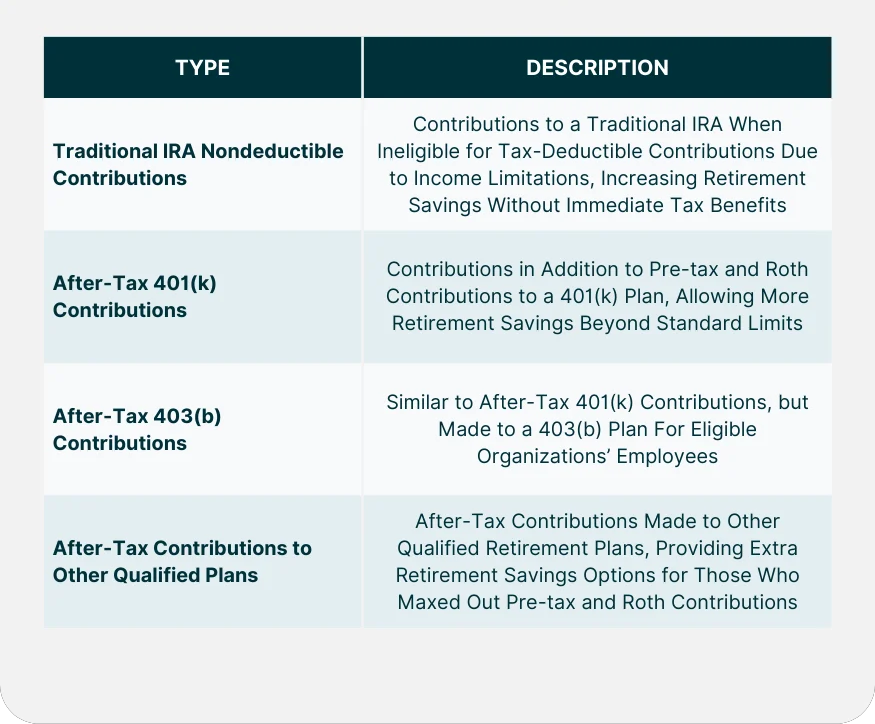
For Bitcoin IRA holders, Form 8606 becomes particularly important during Roth conversions. When you convert bitcoin from a traditional IRA to a Roth IRA, you must report the fair market value of the bitcoin on the conversion date. Bitcoin's volatility makes timing and valuation critical for tax planning purposes.
When Must You File Form 8606?
You must file Form 8606 with your annual tax return in three specific situations: making nondeductible contributions to a traditional IRA, taking distributions from a traditional IRA that includes nondeductible contributions, or converting any amount from a traditional IRA to a Roth IRA.
The filing requirements apply regardless of whether your IRA holds bitcoin, stocks, bonds, or other assets. The IRS treats all IRA assets the same for reporting purposes, though valuation methods may differ.
Filing Scenarios:
- Nondeductible contributions: File for the tax year you make the contribution, even if no distribution occurs
- Roth conversions: File for the year you execute the conversion, reporting the fair market value on conversion date
- Distributions with basis: File when taking distributions from traditional IRAs with any nondeductible contribution history
- Roth distributions: File if taking distributions within five years of opening a Roth IRA or before age 59½
Missing Form 8606 can result in a $50 penalty per instance, according to IRS Form 8606 instructions. More significantly, failure to file may cause you to pay taxes twice on the same funds since the IRS won't have records of your after-tax contributions.
How Form 8606 Works for Bitcoin IRA Conversions
Bitcoin IRA conversions to Roth structures require Form 8606 to report the taxable amount of the conversion. The form calculates how much of your traditional IRA consists of pre-tax versus after-tax contributions, determining your immediate tax liability.
When you convert bitcoin from a traditional IRA to a Roth IRA, the conversion creates a taxable event. You must report the fair market value of the bitcoin in U.S. dollars on the date of conversion. This valuation becomes critical because bitcoin can fluctuate significantly even within a single day.
Conversion Tax Calculation Process:
- Step 1: Determine total traditional IRA value across all accounts on December 31 of conversion year
- Step 2: Calculate total basis from all nondeductible contributions using previous Form 8606 filings
- Step 3: Apply pro-rata rule to determine taxable versus non-taxable portion of conversion
- Step 4: Report taxable amount as ordinary income for the conversion year
Pro-Rata Rule: An IRS regulation requiring you to calculate the taxable portion of IRA distributions and conversions based on the ratio of after-tax contributions to total IRA value across all traditional IRAs. IRS Publication 590-B explains the calculation method.
The pro-rata rule means you cannot selectively convert only your nondeductible contributions to avoid taxes. If you have both pre-tax and after-tax money in traditional IRAs, every conversion includes a proportional mix of both. For Bitcoin IRA holders considering backdoor Roth strategies, this rule requires careful planning.
Part I: Nondeductible Contributions to Traditional IRAs
Part I of Form 8606 tracks nondeductible contributions made during the tax year and calculates your cumulative basis in traditional IRAs. This section ensures the IRS knows how much after-tax money you've contributed, preventing double taxation when you eventually take distributions.
You complete Part I whenever you make nondeductible traditional IRA contributions. The form adds your current year's nondeductible contributions to any basis from previous years, creating a running total of your after-tax IRA contributions.
Part I Key Lines:
- Line 1: Enter nondeductible contributions made for the current tax year
- Line 2: Enter total basis in traditional IRAs from previous years' Form 8606
- Line 3: Add Lines 1 and 2 for total nondeductible contributions to date
- Lines 4–14: Calculate distributions and conversions if applicable
For Bitcoin IRA accounts, the contribution limits remain identical to traditional IRAs: $6,500 for 2023 (or $7,500 if age 50 or older), according to IRS contribution limit guidelines. Whether you contribute cash that your custodian uses to purchase bitcoin or transfer bitcoin directly (if permitted by your custodian), the dollar value of the contribution matters for Form 8606 purposes.
Part II: Conversions from Traditional to Roth IRA
Part II of Form 8606 calculates the taxable amount of conversions from traditional IRAs to Roth IRAs. This section determines how much of your conversion consists of pre-tax money (which becomes taxable income) versus after-tax basis (which converts tax-free).
Bitcoin IRA conversions require precise valuation on the conversion date. Most qualified custodians will provide a fair market value statement showing the dollar value of your bitcoin holdings on the conversion date, which you report on Form 8606.
Should You Do a Roth Conversion?
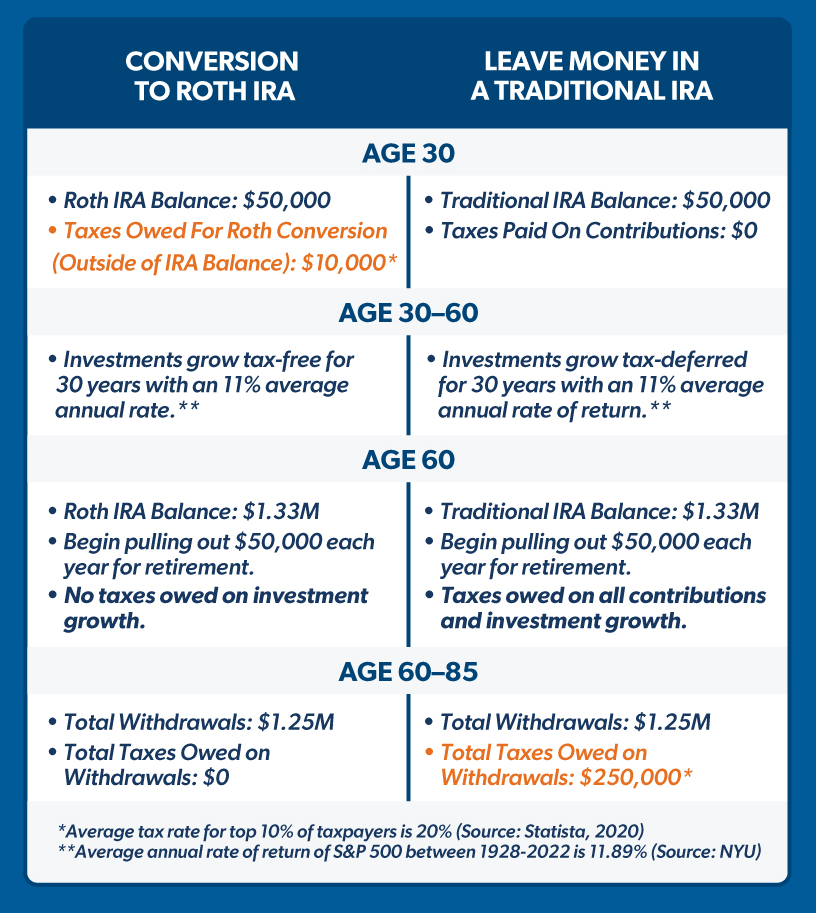
Conversion Timing Considerations:
- Market volatility: Bitcoin price swings can significantly affect your tax liability depending on conversion timing
- Tax year planning: Execute conversions in years when your income is lower to minimize tax bracket impact
- Partial conversions: Consider converting portions annually to manage tax liability across multiple years
- Year-end values: Remember the pro-rata calculation uses December 31 values, not just conversion date values
The taxable amount from Line 18 of Form 8606 gets reported on Line 4b of Form 1040. This amount adds to your ordinary income for the year, potentially pushing you into higher tax brackets. Strategic conversion planning becomes essential, especially given bitcoin's price volatility.
Common Form 8606 Mistakes with Bitcoin IRAs
Several common errors occur when Bitcoin IRA holders complete Form 8606, often resulting from misunderstanding IRA aggregation rules or bitcoin valuation requirements. These mistakes can lead to incorrect tax calculations and potential IRS penalties.
The most frequent error involves failing to aggregate all traditional IRAs when calculating the pro-rata rule. The IRS requires you to combine all traditional, SEP, and SIMPLE IRA values when determining taxable portions of conversions, even if your bitcoin sits in just one account.
Frequent Filing Errors:
- Incorrect valuation: Using prices from the wrong date or failing to document bitcoin's fair market value properly
- Incomplete aggregation: Forgetting to include all traditional IRA accounts in pro-rata calculations
- Missing basis carryforward: Failing to transfer basis amounts from previous years' Form 8606
- Distribution timing: Incorrectly reporting when conversions or distributions actually occurred
- Roth contribution limits: Attempting direct Roth contributions above income limits without proper backdoor documentation
Bitcoin valuation errors present unique challenges. Unlike stocks with clear closing prices, bitcoin trades 24/7 across multiple exchanges with varying prices. Most custodians use a specific exchange or pricing index for valuation purposes. Your Form 8606 should reflect the custodian's official valuation, which provides documentation if the IRS questions your reporting.
Backdoor Roth Strategy and Form 8606
The backdoor Roth IRA strategy allows high-income earners to fund Roth IRAs indirectly by making nondeductible traditional IRA contributions and immediately converting to Roth. Form 8606 documents both steps of this process, establishing that you paid taxes on the appropriate amounts.
For Bitcoin IRA investors, the backdoor Roth strategy works identically to traditional assets. You contribute to a traditional IRA (often funding it with cash that immediately purchases bitcoin), then convert to a Roth IRA shortly afterward. The key is minimizing time between contribution and conversion to avoid significant gains that would increase your taxable conversion amount.
Backdoor Roth IRA: A legal strategy allowing high-income individuals who exceed direct Roth IRA contribution income limits to fund Roth IRAs by making nondeductible traditional IRA contributions and immediately converting them to Roth. The IRS establishes Roth contribution income limits annually.
The pro-rata rule complicates backdoor Roth strategies if you have existing traditional IRA balances with pre-tax money. In this scenario, you cannot convert just your nondeductible contribution tax-free. Instead, each dollar converted includes a proportional amount of pre-tax and after-tax money based on your total traditional IRA balances.
Backdoor Roth Optimization:
- Empty traditional IRAs: The strategy works cleanly if you have no other traditional IRA balances
- 401(k) rollovers: Consider rolling existing traditional IRA balances into an employer 401(k) to clear the way
- Timing: Execute conversion shortly after contribution to minimize taxable gains
- Documentation: Keep clear records showing contribution date, conversion date, and values at each step
Bitcoin's volatility adds a wrinkle to backdoor Roth timing. If you contribute cash that purchases bitcoin, then bitcoin appreciates significantly before conversion, the appreciation becomes taxable income upon conversion. Quick execution minimizes this risk while still achieving the backdoor Roth objective.
Record-Keeping Requirements for Bitcoin IRA Form 8606
Maintaining accurate records for Form 8606 reporting becomes critical with Bitcoin IRAs due to price volatility and the need to establish clear valuation dates. The IRS requires you to keep supporting documentation for at least three years after filing, though retirement account records should be maintained indefinitely.
Your custodian typically provides year-end statements showing contributions, conversions, and fair market values. However, you remain responsible for accurate reporting on your tax return, so maintaining independent records provides backup if custodian statements contain errors.
Essential Documentation:
- Contribution records: Bank statements or transaction confirmations showing deposit dates and amounts
- Custodian statements: Official year-end and transaction date fair market value reports
- Previous Form 8606: All prior years' forms to track cumulative basis accurately
- Conversion confirmations: Documentation showing exact date and bitcoin price for conversions
- Distribution records: Statements for any withdrawals including dates and values
For platforms offering Bitcoin IRA services, like Rhino Bitcoin, custodians provide the necessary documentation for tax reporting. Always verify that statements clearly show the information required for Form 8606, including specific dates and U.S. dollar valuations for all transactions.
Frequently Asked Questions
Do I need Form 8606 if I only made deductible IRA contributions?
No, Form 8606 is only required when you make nondeductible contributions, convert to Roth, or take distributions from accounts with nondeductible contribution history. Fully deductible traditional IRA contributions don't require Form 8606.
How do I value bitcoin for Form 8606 conversion reporting?
Use the fair market value provided by your qualified IRA custodian for the conversion date. Custodians typically use a specific exchange or pricing index, and their official valuation should match your Form 8606 reporting.
What happens if I forget to file Form 8606?
The IRS may assess a $50 penalty, but more importantly, you risk losing documentation of your after-tax basis. This could result in double taxation when you take distributions since the IRS won't have records of your nondeductible contributions.
Can I amend Form 8606 if I discover an error?
Yes, file Form 1040-X to amend your return and include a corrected Form 8606. The IRS allows amendments within three years of the original filing date or two years from when you paid the tax, whichever is later.
Does the pro-rata rule apply separately to each IRA account?
No, the IRS requires you to aggregate all traditional, SEP, and SIMPLE IRAs when calculating the taxable portion of conversions. You cannot isolate nondeductible contributions in one account to convert them tax-free while ignoring other traditional IRA balances.
How does bitcoin volatility affect Roth conversion taxes?
Bitcoin's price on the conversion date determines your taxable amount. Significant appreciation after contribution but before conversion increases your tax liability, while depreciation reduces it. Timing conversions strategically can help manage tax impact.
Do Roth IRA distributions require Form 8606?
Only if you take distributions before age 59½ or within five years of opening the the Roth IRA. Qualified distributions from established Roth IRAs don't require Form 8606 since they're entirely tax-free.
Can I convert my Bitcoin IRA in multiple steps to reduce taxes?
Yes, partial Roth conversions allow you to spread tax liability across multiple years. This strategy helps manage tax brackets, especially useful when bitcoin values are lower or during years with reduced income.
Planning Your Bitcoin IRA Tax Strategy
Form 8606 serves as the foundation for proper Bitcoin IRA tax reporting, ensuring you accurately track nondeductible contributions and properly report conversions. Understanding this form helps you avoid double taxation, optimize Roth conversion timing, and execute backdoor Roth strategies when appropriate for your financial situation.
Key Considerations:
- File Form 8606 for any year with nondeductible contributions, Roth conversions, or relevant distributions
- Maintain detailed records of all Bitcoin IRA transactions including dates and dollar valuations
- Account for bitcoin price volatility when timing conversions to manage tax liability
- Remember the pro-rata rule applies across all traditional IRAs, not individual accounts
For those ready to establish a tax-advantaged Bitcoin IRA with proper reporting support, explore Rhino Bitcoin's self-directed Bitcoin IRA options with qualified custodian partnerships designed to simplify tax compliance.
References
- Internal Revenue Service. "About Form 8606, Nondeductible IRAs." IRS.gov. https://www.irs.gov/forms-pubs/about-form-8606
- Internal Revenue Service. "Publication 590-A: Contributions to Individual Retirement Arrangements." IRS.gov. https://www.irs.gov/publications/p590a
- Internal Revenue Service. "Publication 590-B: Distributions from Individual Retirement Arrangements." IRS.gov. https://www.irs.gov/publications/p590b
- Internal Revenue Service. "Retirement Topics - IRA Contribution Limits." IRS.gov. https://www.irs.gov/retirement-plans/plan-participant-employee/retirement-topics-ira-contribution-limits
- Internal Revenue Service. "Amount of Roth IRA Contributions That You Can Make." IRS.gov. https://www.irs.gov/retirement-plans/amount-of-roth-ira-contributions-that-you-can-make-for-2023
Important Disclaimers
Disclaimer: Educational information only. Not financial, legal, medical, or tax advice.
Risk Warnings: All investments carry risk, including loss of principal. Past performance is not indicative of future results. Bitcoin is a volatile asset and may not be suitable for all investors.
Conflicts of Interest: Rhino Bitcoin provides Bitcoin financial services. This content is educational and may reference our products.
.png)
.png)