
Lightning Network Banking: Bitcoin's Financial Future
Discover Lightning Network Banking: instant Bitcoin payments, automated bill pay, high-yield savings & lending without traditional banks. Complete guide to financial sovereignty.
Buy Bitcoin with Zero Fees with Rhino
The most secure way to stack sats. Simple, fast, and zero trading fees.
Lightning Network Banking: Bitcoin's Financial Future
Lightning Network Banking represents the convergence of Bitcoin's most advanced scaling solution with traditional financial services, enabling instant, low-cost payments and comprehensive banking functionality without the need for traditional financial intermediaries.
This revolutionary approach allows users to send micropayments, pay bills, earn yield, and access lending services while maintaining full control over their Bitcoin through the Lightning Network's payment channels.
The Lightning Network has transformed Bitcoin from just a settlement layer into a complete monetary system capable of handling millions of transactions per second at a near-zero cost. Lightning Network Banking builds upon this foundation by offering traditional banking services (such as savings accounts, bill payment, lending, and debit cards etc.) that operate entirely on Bitcoin rails through the Lightning Network infrastructure.
By eliminating the need for traditional banking intermediaries, Lightning Network Banking provides users with unprecedented financial sovereignty while maintaining both the speed and convenience of modern digital payments. This approach represents the future of money, where Bitcoin serves as both the base layer for settlements and the medium for instant everyday transactions.
Key Points:
- Lightning Network Banking enables instant Bitcoin payments with fees under one penny
- Provides traditional banking services (bill pay, savings, lending) while maintaining self-custody
- Offers 3-15% annual yields through channel fees versus 0.5-2% from traditional banks
- Bitcoin-collateralized loans provide instant approval without credit checks
- Payments settle in milliseconds compared to 1-5 business days for traditional banking
- Eliminates counterparty risk through cryptographic security and full reserve backing
- Supports automated bill payment for all major expense categories
- Businesses can reduce payment processing costs by 90%+ with instant settlement
- Enhanced privacy with pseudonymous transactions versus full banking surveillance
- Getting started takes 20-30 minutes through user-friendly mobile platforms
What Is Lightning Network Banking?
Lightning Network Banking is a comprehensive suite of financial services built on Bitcoin's Lightning Network that provides traditional banking functionality without traditional banks. This system enables users to access instant payments, bill payment, savings accounts, lending services, and debit cards while maintaining complete control over their Bitcoin through self-custodial Lightning wallets.
The concept emerged as the Lightning Network matured from a simple payment layer into a robust financial infrastructure capable of supporting complex banking operations. Unlike traditional banking that relies on centralized institutions and fractional reserve lending, Lightning Network Banking operates on a peer-to-peer network where users maintain ownership of their funds at all times.
Lightning Network: A Layer 2 scaling solution for Bitcoin that enables instant, low-cost payments through payment channels between users, allowing millions of transactions per second while settling on the Bitcoin blockchain.
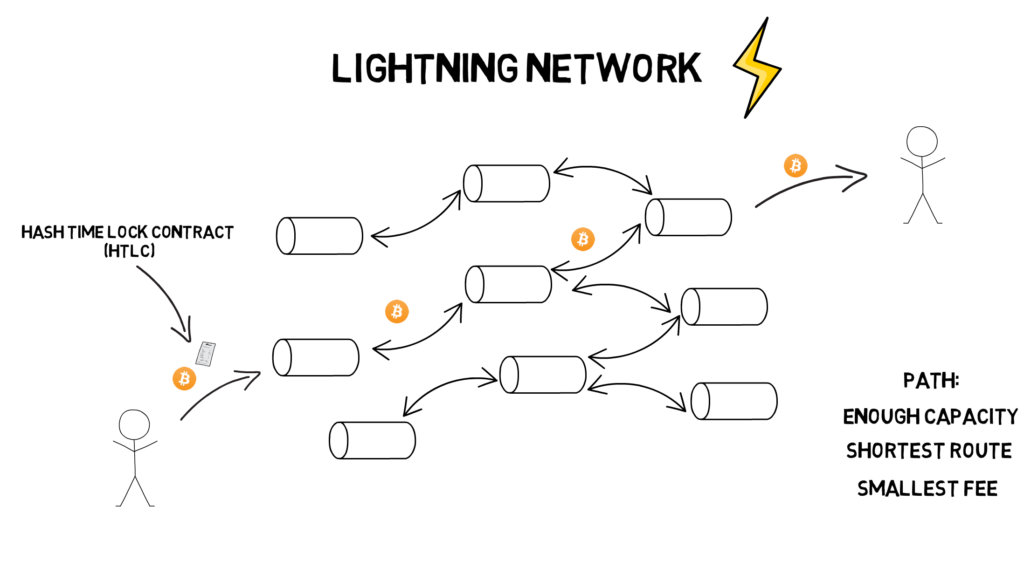
Payment Channels on the Lightning Network
Source: Finematics
Key characteristics of Lightning Network Banking include:
- Self-custodial architecture: Users maintain private keys and control their funds directly
- Instant settlement: Payments settle in milliseconds rather than days
- Programmable payments: Smart contract functionality enables automated financial services
- Global accessibility: 24/7 operation with no geographical restrictions or business hours
- Minimal fees: Transaction costs typically under one cent regardless of amount
- Privacy-preserving: Enhanced privacy compared to traditional banking surveillance
Self-Custody: A financial arrangement where individuals maintain direct control over their private keys and funds, eliminating the need to trust third-party custodians like traditional banks.
The Lightning Network Banking model represents a fundamental shift from traditional fractional reserve banking to a system based on full reserves and cryptographic guarantees. This approach eliminates counterparty risk while also providing superior speed, cost efficiency, and accessibility compared to legacy financial systems.
How Does Lightning Network Banking Work?
Lightning Network Banking operates through a sophisticated system of payment channels and routing that enables instant Bitcoin transactions while maintaining the security guarantees of the underlying Bitcoin blockchain. The system functions by creating bidirectional payment channels between users, forming a network that can route payments through multiple channels to reach any destination instantly.
The technical foundation begins with users opening Lightning channels by committing Bitcoin to a multi-signature address shared with a channel partner. These channels can then facilitate unlimited transactions between the channel participants without requiring blockchain confirmation for each payment. When users need to send payments to someone they don't have a direct channel with, the Lightning Network automatically finds the optimal route through existing channels.
Payment Channel: A cryptographic mechanism that allows two parties to conduct unlimited Bitcoin transactions off-chain while maintaining the ability to settle the final balance on the Bitcoin blockchain at any time.
The banking services layer builds upon this payment infrastructure by implementing smart contracts and automated protocols that enable traditional banking functions:
- Liquidity provision: Professional node operators provide channel liquidity to enable routing
- Automated bill payment: Smart contracts execute recurring payments based on predefined conditions
- Yield generation: Channel fees and routing rewards provide passive income generating yield opportunities
- Lending protocols: Collateralized lending systems built on payment channel mechanics
- Savings accounts: Time-locked channels that generate yield while maintaining liquidity
- Debit card integration: Real-time conversion of Lightning payments to traditional payment rails
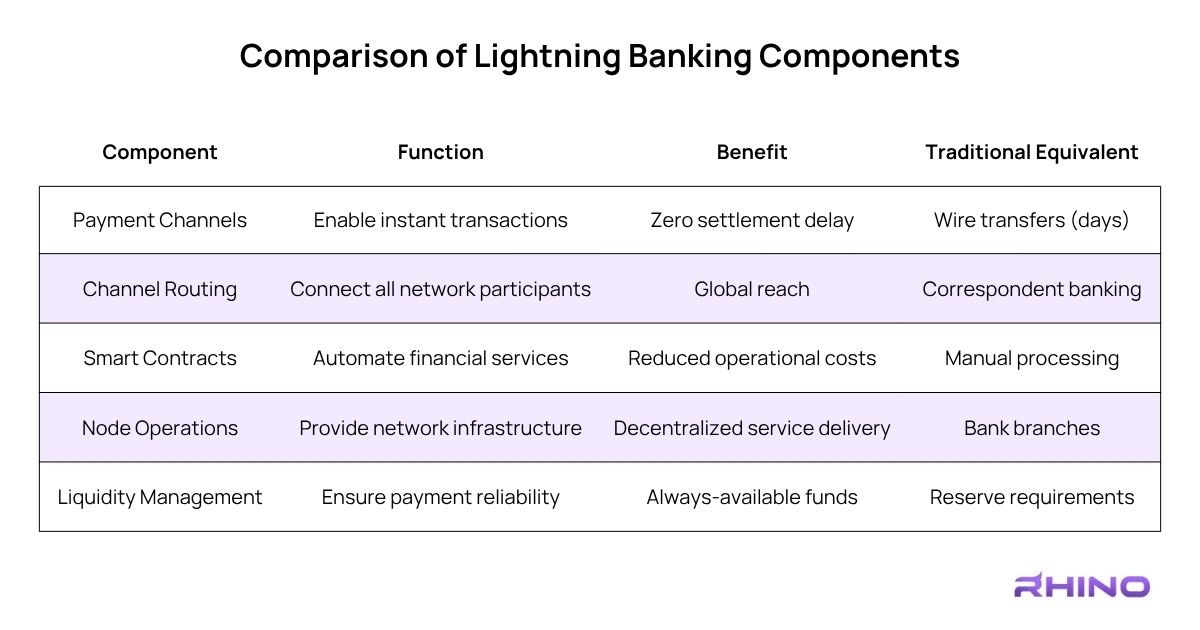
The system's architecture ensures that all banking services maintain the core properties of Bitcoin: decentralization, censorship resistance, and mathematical guarantees of fund security. Unlike traditional banking where institutions control user funds, Lightning Network Banking users retain control of their private keys while accessing sophisticated financial services.
Lightning Banking vs Traditional Banking
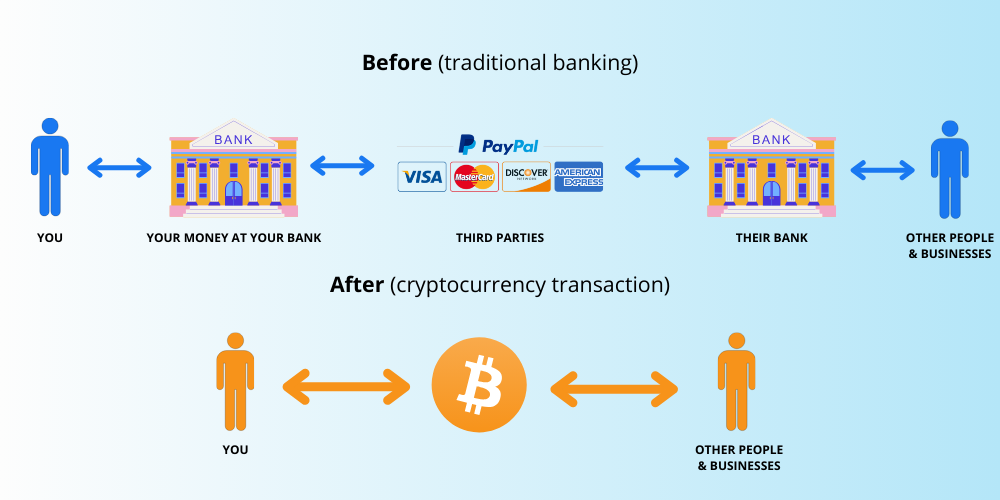
Lightning Network Banking offers fundamental advantages over traditional banking systems through its decentralized architecture, instant settlement capabilities, and elimination of intermediary institutions. While traditional banks operate on fractional reserves and centralized control, Lightning Banking provides full reserves, user sovereignty, and programmable financial services built on cryptographic guarantees.
Bitcoin Network vs Traditional Banking
Source: Vestinda
The most significant difference lies in custody and control: traditional banking requires users to deposit funds with institutions that then lend those funds to others, creating counterparty risk and regulatory dependencies. Lightning Banking allows users to maintain control of their funds while accessing equivalent services through self-custodial channels and smart contracts.
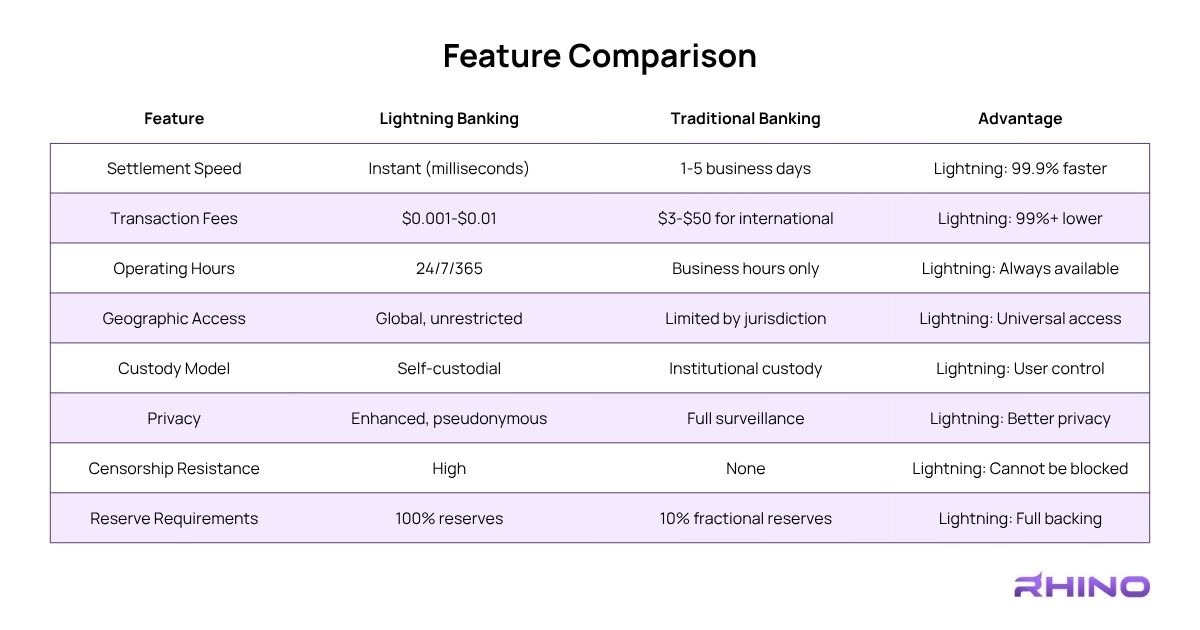
Operational differences extend to service delivery and accessibility. Traditional banks require physical infrastructure, regulatory compliance in each jurisdiction, and complex correspondent banking relationships for international services. Lightning Banking operates as a peer-to-peer network where any participant can provide services globally without geographical restrictions or regulatory approval.
Fractional Reserve Banking: A banking system where institutions hold only a fraction of depositors' funds in reserve, lending out the remainder and creating counterparty risk for depositors.
Cost structures also differ dramatically. Traditional banks must maintain expensive physical infrastructure, large employee bases, and complex compliance systems, costs that are passed to customers through fees and reduced yields. Lightning Banking's automated, protocol-based approach eliminates most operational overhead, resulting in significantly lower costs and higher yields for users.
- Infrastructure costs: Lightning nodes cost a mere hundreds of dollars versus millions for traditional bank branches
- Staffing requirements: Automated protocols (limited to no head count) versus thousands of employees per institution
- Compliance overhead: Cryptographic guarantees versus extensive regulatory reporting
- Settlement infrastructure: Direct peer-to-peer versus correspondent banking networks
However, Lightning Banking currently faces adoption challenges including technical complexity for average users, limited merchant acceptance, and regulatory uncertainty. These limitations are rapidly improving as user interfaces simplify and institutional adoption increases through companies like Rhino who provide comprehensive Lightning Banking platforms.
Core Services and Features
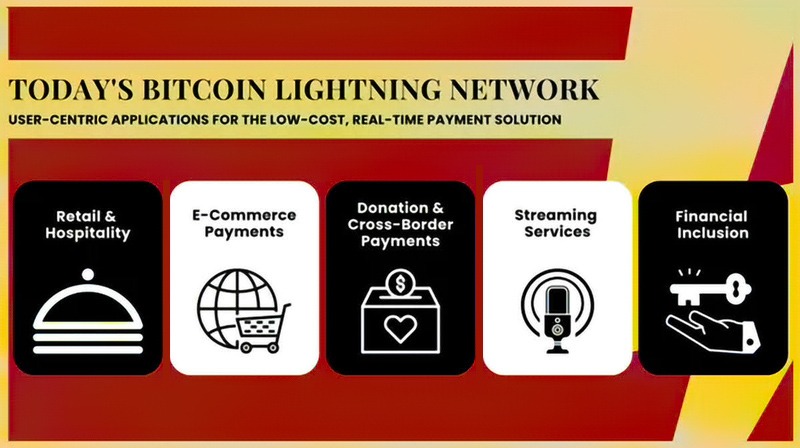
Lightning Network Banking platforms provide a comprehensive suite of financial services that replicate and enhance traditional banking offerings while maintaining the unique advantages of Bitcoin and Lightning Network technology. These services operate through interconnected protocols that leverage payment channels, smart contracts, and automated routing to deliver seamless user experiences.
Use Cases of Bitcoin’s Lightning Network
Source: Medium
The core service portfolio includes instant payments, bill payment automation, savings and yield generation, collateralized lending, debit card functionality, and business payment processing. Each service builds upon the Lightning Network's foundational capabilities while adding sophisticated business logic to create familiar banking experiences for users.
Payment and Transfer Services
Lightning Network Banking excels in payment processing through its ability to handle micropayments, instant international transfers, and high-frequency transactions that would be impractical or impossible with traditional banking systems. The network's routing capabilities enable payments to any Lightning-enabled recipient globally without requiring pre-existing relationships or correspondent banking arrangements.
- Instant transfers: Peer-to-peer payments settle in under one second
- Micropayments: Payments as small as one satoshi (1/100,000,000 Bitcoin)
- Batch processing: Multiple payments executed simultaneously with atomic settlement
- Streaming payments: Continuous payment flows for subscription or usage-based services
- Multi-currency support: Automatic conversion between Bitcoin and fiat currencies
- QR code payments: Simple mobile-friendly payment interfaces
Account Management and Security
Account management in Lightning Banking differs fundamentally from traditional banking through its self-custodial architecture and cryptographic security model. Users maintain control of their private keys while accessing sophisticated account features through intuitive interfaces that abstract away technical complexity.
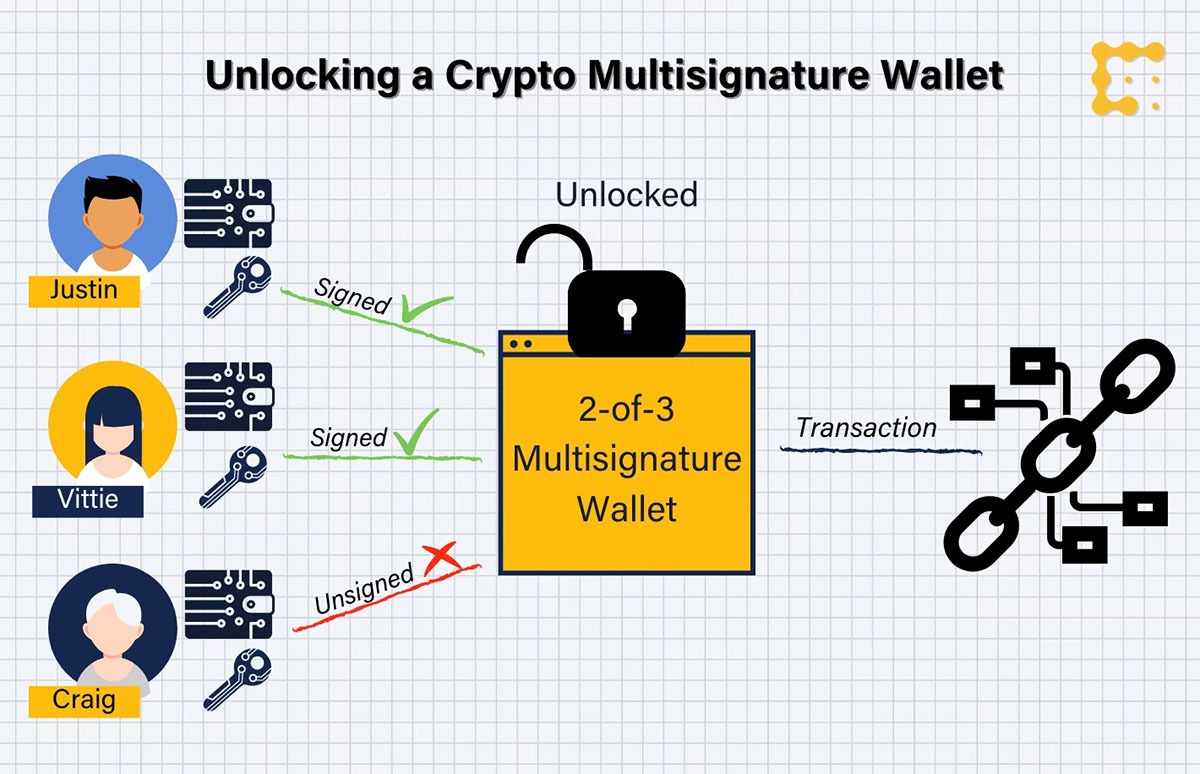
Multi-signature Wallet: A Bitcoin wallet that requires multiple private key signatures to authorize transactions, providing enhanced security and risk distribution compared to single-signature arrangements.
How Multisignature Wallets Work
Source: CoinDesk
Advanced security features include multi-signature wallets, hardware wallet integration, time-locked recovery mechanisms, and inheritance planning tools. These features provide institutional-grade security while maintaining the accessibility and convenience that users expect from modern banking applications.
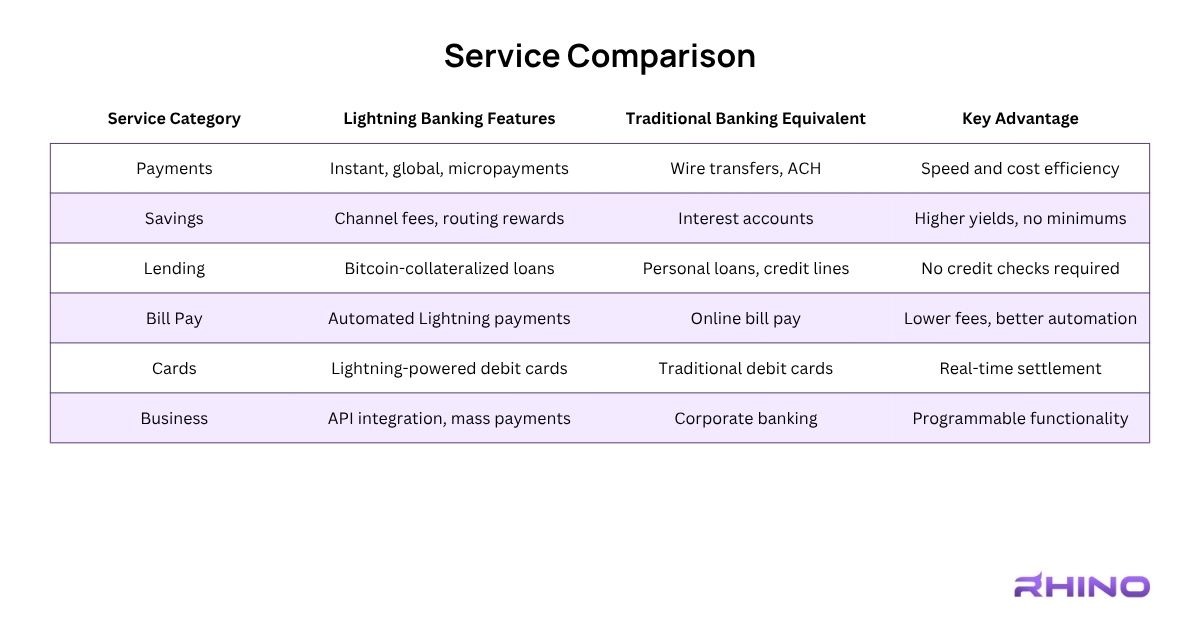
The integration of these services creates synergistic effects where users can seamlessly move between different financial activities without the friction points common in traditional banking. For example, users can receive Lightning payments, automatically allocate portions to savings and bill payment, and access lending against their Bitcoin holdings all within a unified interface.
Instant Payments and Transfers
The foundational capability of Lightning Network Banking is its instant payments, enabling near-instantaneous value transfers that scale from micropayments to large transactions with consistent sub-second settlement times. This capability eliminates the multi-day settlement delays that characterize traditional banking while providing final settlement guarantees through Bitcoin's underlying blockchain security.
The Lightning Network achieves instant payments through its sophisticated routing algorithm that finds optimal payment paths through the network's channel topology. When a user initiates a payment, the system calculates multiple potential routes and selects the path with the best combination of fees, reliability, and speed, typically completing the entire process in under 500 milliseconds.
Payment Processing Architecture
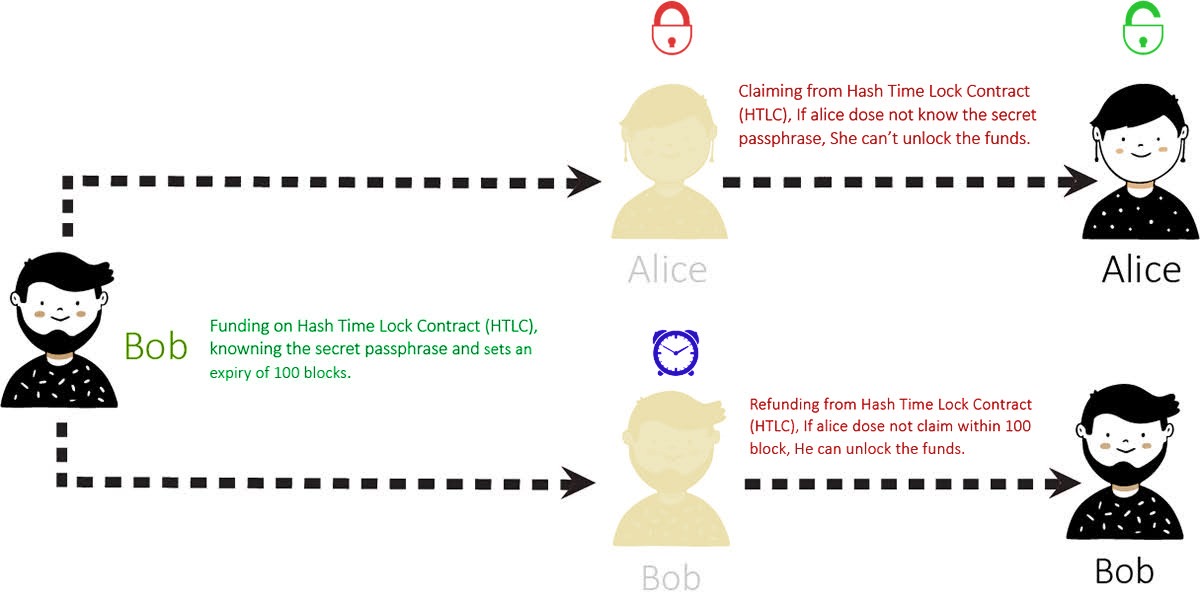
Lightning payments utilize Hash Time-Locked Contracts (HTLCs) to ensure atomic transactions across multiple channel hops. This cryptographic mechanism guarantees that either the entire payment succeeds or fails completely, eliminating the possibility of partial payment execution or funds being lost in transit.
Hash Time-Locked Contract (HTLC): A smart contract that enables conditional payments on the Lightning Network, ensuring that payments either complete successfully across all routing hops or fail atomically without fund loss.
How HTLCs Work
Source: Shuttle
The payment process follows a precise sequence:
- Route discovery: The sender's wallet queries the network for available payment paths
- Path optimization: Multiple routes are evaluated for cost, reliability, and channel capacity
- HTLC creation: Conditional payment contracts are established along the chosen route
- Payment propagation: The payment request moves through each channel hop
- Settlement completion: Final settlement occurs when the recipient releases the payment preimage
- Channel rebalancing: Channel balances update to reflect the completed transaction
Micropayment Capabilities
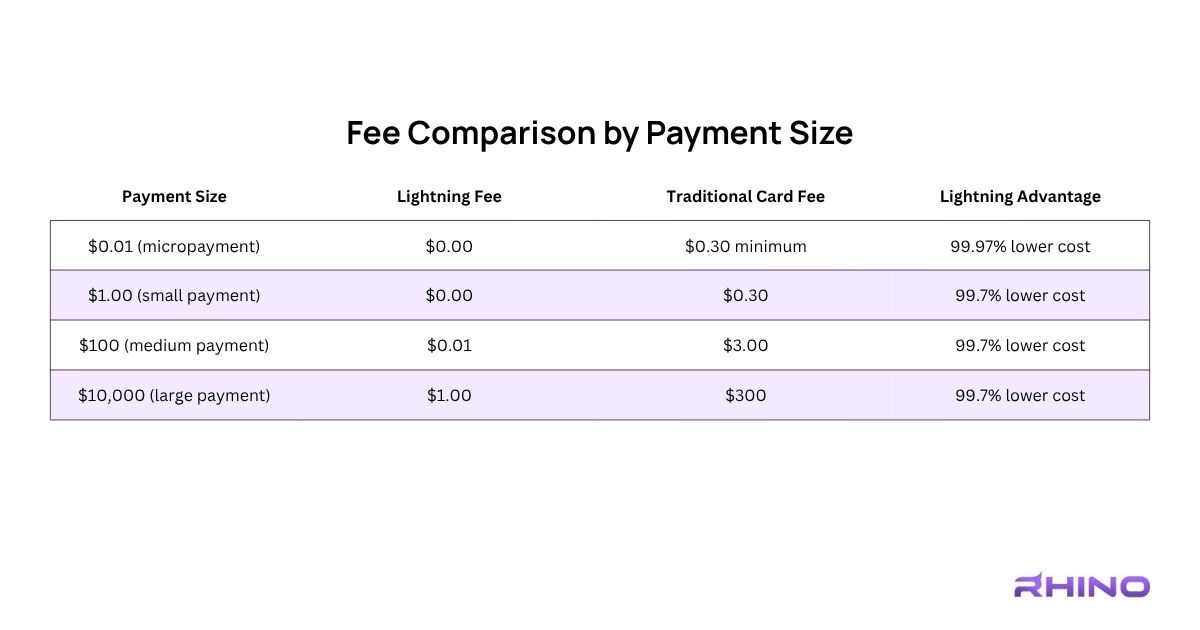
Lightning Network Banking excels in micropayment processing, enabling economically viable transactions as small as one satoshi (approximately $0.0012 at current Bitcoin prices). This capability opens entirely new business models and use cases that are impossible with traditional payment systems due to their minimum transaction costs and processing fees.
Real world applications for micropayments include use cases such as individual news article consumption, streaming media by the second, API calls charged by usage, gaming microtransactions, and content creator monetization. These applications become economically viable because Lightning's routing fees typically remain under 0.1% regardless of transaction size, making even penny transactions profitable.
Cross-Border Payment Excellence
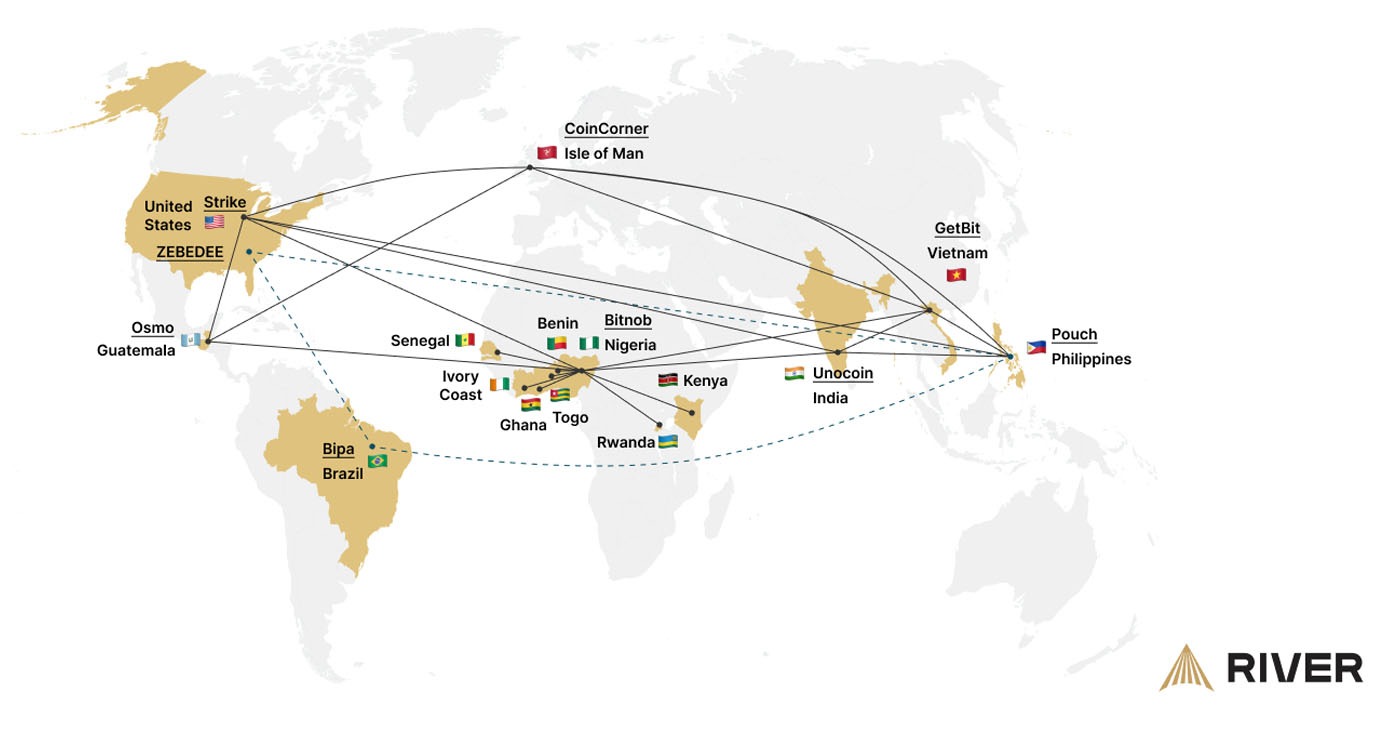
International payments through Lightning Network Banking eliminate the correspondent banking system that creates delays, high fees, and settlement risk in traditional cross-border transfers. Lightning payments cross national boundaries instantly without requiring currency conversion unless the recipient specifically requests local currency settlement.
Exchanges Using Lightning Network to Process Cross-Border Payments
Source: River Financial
Traditional international wire transfers require 3-5 business days and fees ranging from $25-$50 plus currency conversion spreads. Lightning international payments complete in under one second with fees typically under $0.01, representing a 99%+ improvement in both speed and cost efficiency.
Businesses particularly benefit from the Lightning Network’s cross-border capabilities for supply chain payments, international payroll, and global commerce. Companies using platforms like Rhino Bitcoin's Lightning banking services can settle international invoices instantly while maintaining complete transparency and auditability through Bitcoin's public blockchain.
Bill Payment Services
Lightning Network Banking revolutionizes bill payment through automated, programmable payment systems that eliminate the friction, delays, and fees associated with traditional bill payment methods. Users can set up recurring payments, automated payment scheduling, and conditional payment execution while maintaining complete control over their funds through self-custodial Lightning wallets.
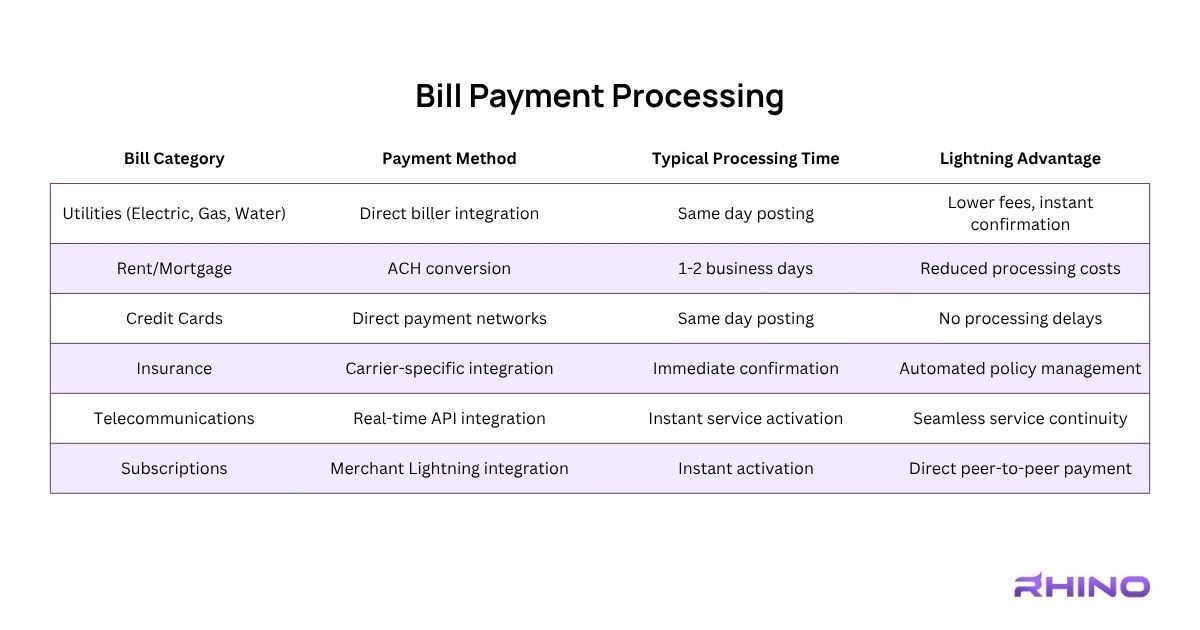
The bill payment infrastructure connects Lightning Network payments to traditional biller systems through payment processors that convert Lightning payments to ACH, wire transfers, or direct billing system integration. This bridge enables Lightning users to pay any bill while maintaining the speed and cost advantages of the Lightning Network.
Automated Payment Systems
Lightning bill payment automation operates through smart contracts that execute payments based on predefined conditions, schedules, or external triggers. Unlike traditional autopay systems that require giving payment authorization to third parties, Lightning automation maintains user control while providing superior reliability and flexibility.
Payment Automation: Smart contract-based systems that execute Lightning Network payments according to predetermined schedules or conditions while maintaining user custody and control over funds.
Key automation features include:
- Scheduled payments: Recurring payments for utilities, rent, insurance, and subscriptions
- Conditional execution: Payments triggered by specific events or data feeds
- Balance monitoring: Automatic wallet funding to ensure sufficient payment capacity
- Payment verification: Cryptographic proof of payment delivery and acceptance
- Exception handling: Automated responses to failed payments or insufficient funds
- Multi-biller management: Centralized control over multiple recurring payment obligations
Supported Bill Categories
Lightning Network Banking platforms support comprehensive bill payment coverage across all major expense categories. Integration partnerships with payment processors enable direct connectivity to thousands of billers, while generic payment rails provide coverage for any biller that accepts electronic payments.
Cost and Efficiency Benefits
Lightning bill payment offers substantial cost savings compared to traditional payment methods through eliminated banking fees, reduced processing overhead, and streamlined automation. Traditional bill payment methods often include fees for expedited processing, electronic payments, or third-party bill pay services that Lightning Banking eliminates entirely.
Processing efficiency improvements include instant payment confirmation, automated reconciliation, and elimination of payment processing delays. Businesses benefit from improved cash flow through faster payment receipt and reduced accounts receivable processing costs.
Users of comprehensive Lightning Banking platforms like Rhino Bitcoin typically save $200-$500 annually on bill payment fees while gaining superior control, automation, and payment tracking capabilities compared to traditional banking bill pay services.
Savings and Yield Generation
Lightning Network Banking provides innovative savings and yield generation opportunities that surpass traditional banking products through channel fee earnings, routing rewards, and liquidity provision services. Unlike traditional savings accounts that depend on bank profitability and regulatory limitations, Lightning savings directly reward users for providing network infrastructure and liquidity services.
The yield generation mechanism operates through users' Lightning channels earning fees from payment routing and liquidity provision. When users maintain well-connected Lightning channels with adequate liquidity, they earn routing fees from payments that flow through their channels, creating a direct correlation between network participation and earnings potential.
Channel Fee Revenue Streams
Lightning Network users generate yield through multiple revenue streams that compound to create attractive returns significantly exceeding traditional savings account rates. These revenue streams align user incentives with network health and growth, creating a sustainable economic model that benefits all participants.
Routing Fees: Small fees earned by Lightning Network node operators for facilitating payment routing through their channels, typically ranging from 0.01% to 0.1% of the payment amount.
How Lightning Network Fees Work
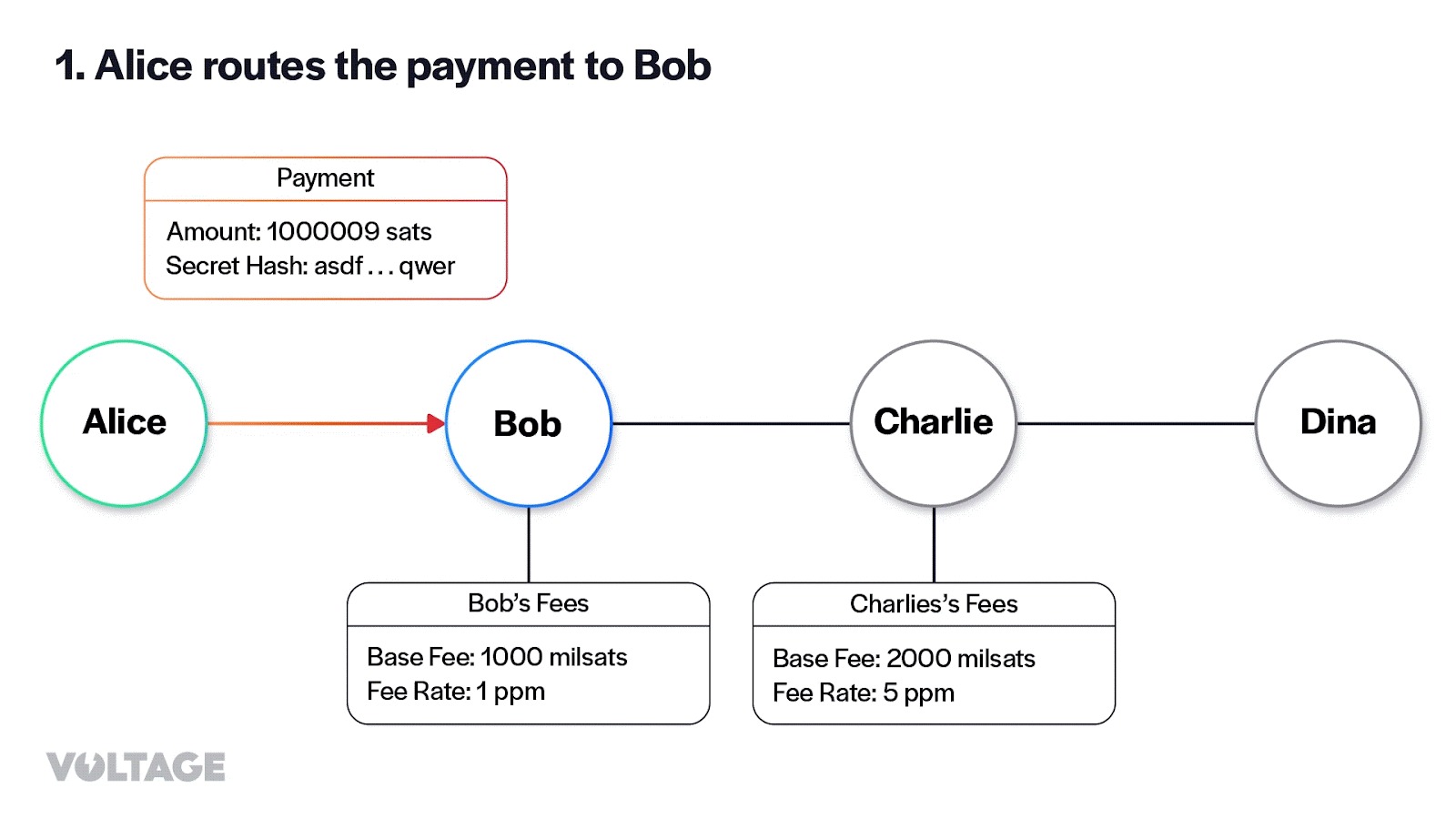
Source: Voltage
Primary yield sources include:
- Base routing fees: Fixed fees earned per payment routed through user channels
- Proportional fees: Percentage-based fees calculated on payment amounts
- Channel rebalancing: Fees earned for providing liquidity balancing services
- Large payment premiums: Higher fees for routing substantial transactions
- Express routing: Premium fees for guaranteed high-reliability payment paths
- Liquidity marketplace: Yield from lending channel capacity to other network participants
Yield Optimization Strategies
Maximizing Lightning savings yields requires strategic channel management, optimal liquidity allocation, and understanding of network payment flows. Advanced Lightning Banking platforms provide automated optimization tools that manage these complexities while allowing users to maintain control over their capital allocation decisions.
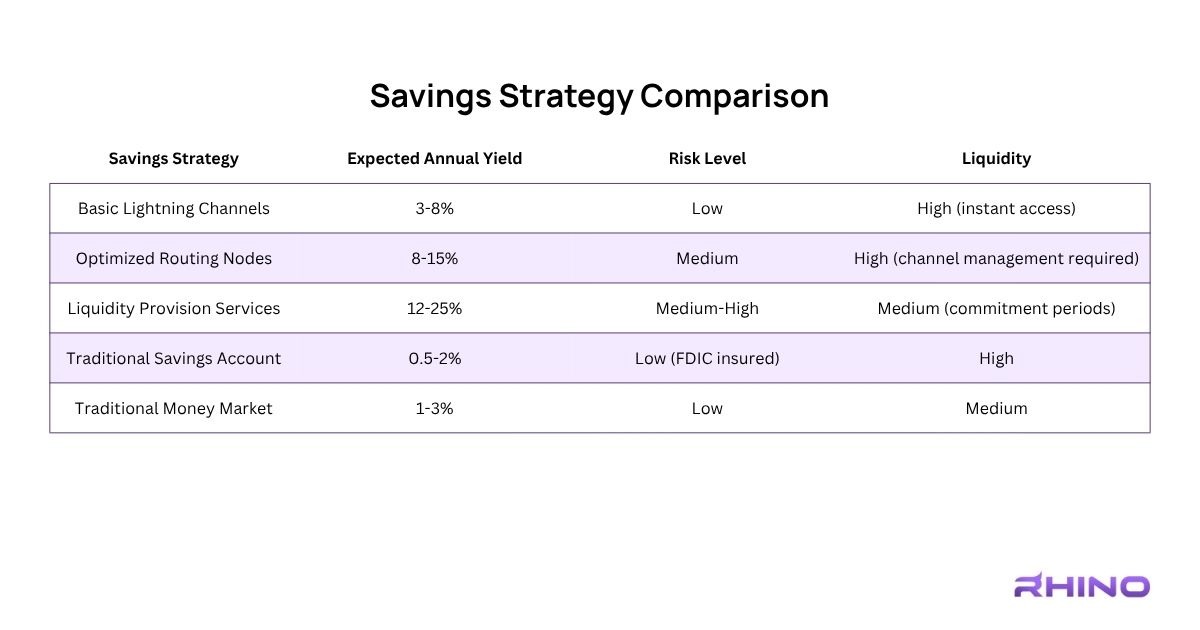
Risk management on the Lightning Network involves diversifying channel partners, maintaining adequate liquidity buffers, and using automated monitoring tools to detect and respond to channel issues. Professional platforms provide insurance and risk mitigation services that reduce the technical complexity while preserving the yield advantages.
Compound Growth and Reinvestment
Lightning Network yields compound naturally as earned fees can be immediately reinvested into additional channel capacity or more strategic channel placements. This compound growth mechanism, combined with Bitcoin's potential appreciation, creates powerful wealth accumulation opportunities that traditional savings products cannot match.
Advanced users can implement yield optimization strategies that maximize channel placement based on network analysis, payment flow predictions, and fee market dynamics. These strategies require sophisticated understanding but can generate returns significantly exceeding simple channel operation through strategic liquidity positioning.
Lending and Borrowing
Lightning Network Banking enables sophisticated lending and borrowing services through Bitcoin-collateralized loans that eliminate credit checks, reduce counterparty risk, and provide instant liquidity access while maintaining Bitcoin exposure. This system allows Bitcoin holders to access fiat currency or stablecoin liquidity without selling their Bitcoin holdings, preserving long-term investment positions while meeting immediate cash flow needs.
The lending mechanism operates through smart contracts that automatically manage collateral requirements, margin calls, and loan liquidations based on predetermined parameters. Borrowers deposit Bitcoin as collateral and receive loans in their preferred currency, while the system continuously monitors collateral ratios and executes automatic adjustments to maintain loan security.
Collateralized Lending Mechanics
Bitcoin-collateralized lending through Lightning Network Banking provides superior terms compared to traditional lending products because the over-collateralization requirement eliminates credit risk for lenders. This risk reduction enables lower interest rates, instant approval, and flexible repayment terms that traditional lenders cannot offer due to their credit-dependent models.
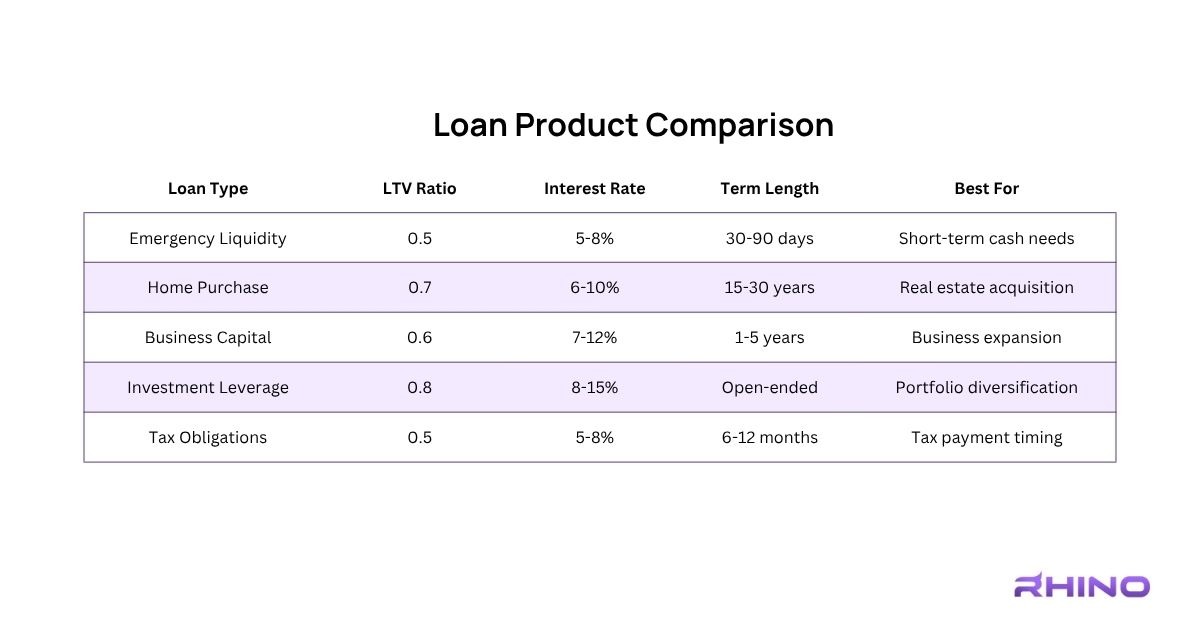
Loan-to-Value Ratio (LTV): The percentage of loan amount relative to collateral value, typically ranging from 50-80% for Bitcoin-collateralized loans to provide safety margin against price volatility.
Key lending features include:
- Instant approval: Loans approved and funded within minutes based on collateral verification
- No credit checks: Collateral-based approval eliminates credit history requirements
- Flexible terms: Interest-only payments with flexible repayment schedules
- Competitive rates: Lower interest rates due to eliminated credit risk
- Automated management: Smart contracts handle collateral monitoring and margin calls
- Partial repayment: Ability to make partial payments and unlock proportional collateral
Loan Products and Terms
Lightning Network Banking platforms offer diverse loan products tailored to different use cases and risk profiles. The flexibility of smart contract-based lending enables customized terms that traditional banks cannot provide due to their operational constraints and regulatory requirements.
Risk Management and Liquidation
Automated risk management systems continuously monitor collateral values and execute predefined actions to protect both borrowers and lenders from excessive risk exposure. These systems operate 24/7 and respond to market movements instantly, providing superior risk management compared to traditional lending institutions.
Risks of Bitcoin-Backed Loans
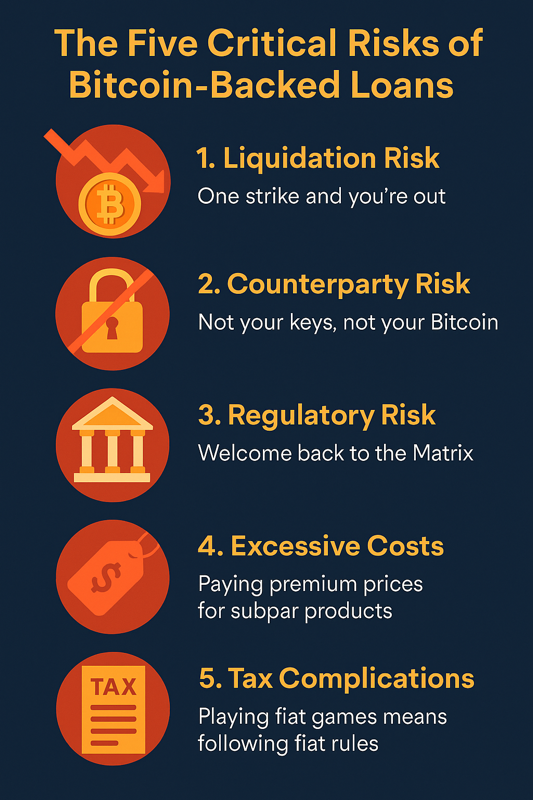
Source: Antonio P. (LinkedIn)
The liquidation process follows a transparent, automated sequence that prioritizes borrower protection while ensuring lender security. Borrowers receive multiple warnings before liquidation events and can add collateral or make payments to avoid liquidation at any time before the process completes.
Margin Call: An automated notification requiring borrowers to add collateral or reduce loan balance when the loan-to-value ratio exceeds predetermined thresholds, typically triggered at 85-90% LTV.
Liquidation protection features include:
- Progressive warnings: Multiple notifications as collateral ratios approach liquidation thresholds
- Partial liquidation: Automatic sale of minimum collateral necessary to restore safe ratios
- Market order protection: Liquidation execution designed to minimize market impact and slippage
- Recovery procedures: Processes for handling underwater positions and collateral shortfalls
- Insurance coverage: Platform insurance to protect against liquidation execution errors
Professional Lightning Banking platforms like Rhino Bitcoin provide comprehensive lending services with institutional-grade risk management while maintaining the speed and efficiency advantages of Lightning Network infrastructure.
Security and Self-Custody
Lightning Network Banking security operates on a multi-layered architecture that combines Bitcoin's proven blockchain security with Lightning Network's channel-based protections and advanced self-custody solutions. This approach provides users with bank-level security while maintaining complete control over their private keys and funds, eliminating the counterparty risks inherent in traditional banking relationships.
The security model builds upon Bitcoin's cryptographic foundations while adding Lightning-specific protections including channel monitoring, automated breach remedies, and time-locked recovery mechanisms. These features ensure that users maintain security guarantees equivalent to on-chain Bitcoin storage while accessing the enhanced functionality of Lightning Network banking services.
Multi-Signature Architecture
Advanced Lightning Banking implementations utilize multi-signature wallet architectures that distribute key control across multiple devices, locations, or trusted parties. This approach eliminates single points of failure while maintaining user sovereignty and providing recovery options for various failure scenarios including device loss, theft, or damage.
Multi-Signature (MultiSig): A Bitcoin wallet configuration requiring multiple private key signatures to authorize transactions, typically configured as 2-of-3 or 3-of-5 setups to balance security with accessibility.
Multi-signature configurations for Lightning Banking typically include:
- 2-of-3 personal setups: Two keys required from three total (mobile device, hardware wallet, cloud backup)
- 3-of-5 institutional: Three keys required from five total for business or high-value accounts
- Timelocked recovery: Automated key rotation and recovery after predetermined periods
- Geographic distribution: Keys stored in different physical locations for disaster resistance
- Inheritance planning: Automated key transfer to designated beneficiaries
- Emergency procedures: Fast-track recovery processes for compromised key scenarios
Channel Security Mechanisms
Lightning Network channels incorporate sophisticated security mechanisms that protect user funds even if channel partners act maliciously or systems experience failures. These protections operate automatically through smart contracts and cryptographic commitments that enforce honest behavior among all channel participants.
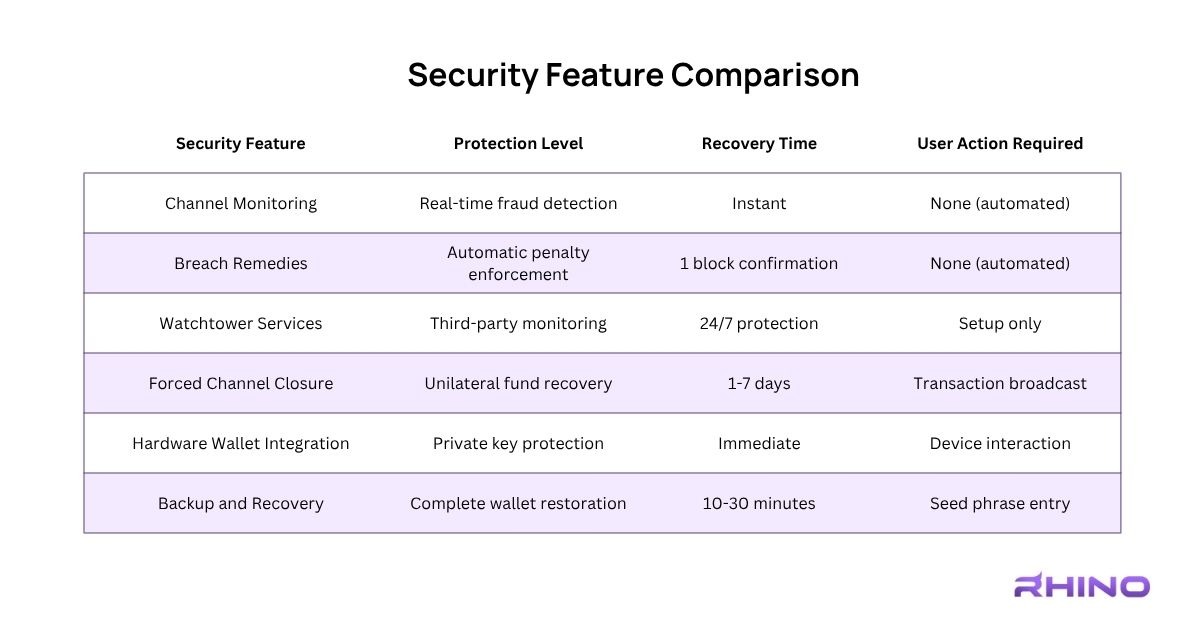
Watchtowers Function in the Lightning Network
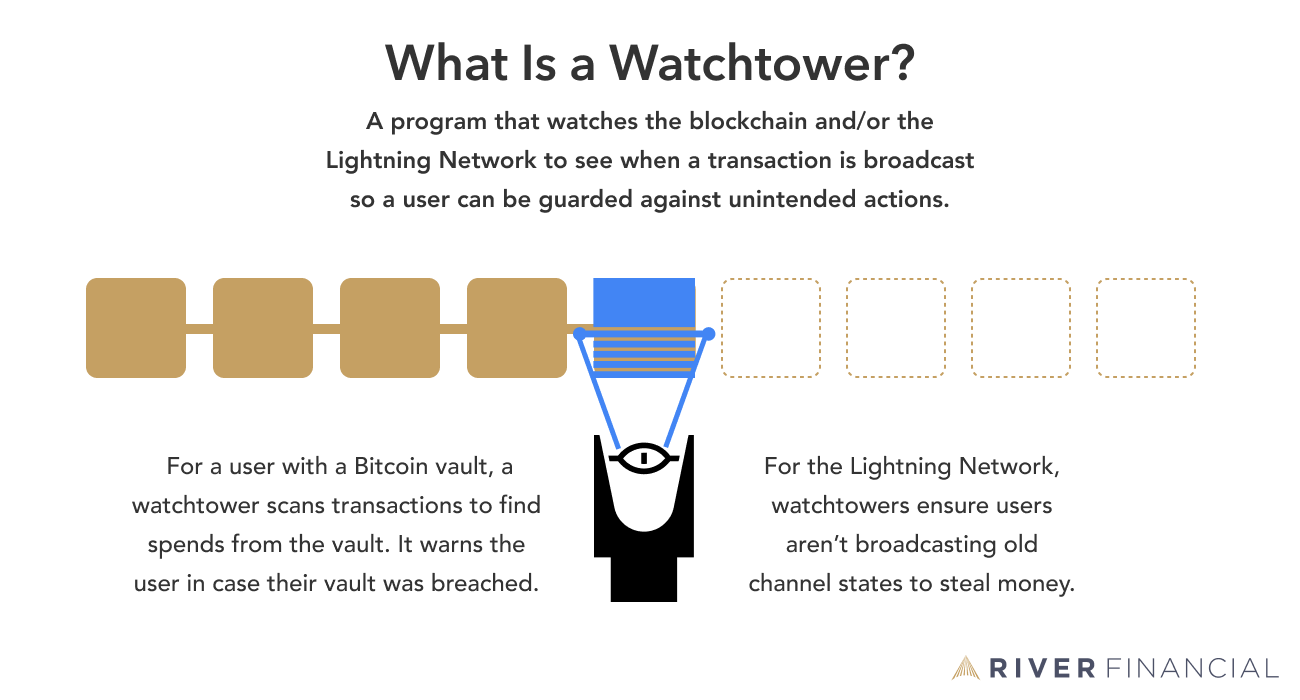
Source: River Financial
Privacy and Surveillance Resistance
Lightning Network Banking provides enhanced privacy compared to traditional banking through its decentralized routing architecture and pseudonymous transaction processing. While traditional banks maintain complete surveillance over customer financial activities, Lightning channels only reveal transaction information to direct channel partners, significantly reducing privacy exposure.
Advanced privacy features include transaction mixing through multi-hop routing, onion routing for payment privacy, and optional integration with privacy-enhancing technologies like Tor networks. These features enable users to conduct financial activities with significantly greater privacy than traditional banking systems while maintaining compliance with applicable regulations.
Onion Routing: A privacy technique where Lightning Network payments are encrypted in multiple layers, with each routing node only knowing the previous and next hop, similar to Tor network privacy protection.
Privacy enhancement strategies include:
- Channel diversification: Multiple channels to different partners to distribute transaction patterns
- Payment splitting: Breaking large payments into smaller, less traceable amounts
- Route randomization: Using different payment paths to avoid pattern recognition
- Timing obfuscation: Introducing random delays to prevent transaction correlation
- Coin mixing integration: Optional privacy services for enhanced transaction privacy
- Tor network support: Complete network traffic anonymization for ultimate privacy
Professional Lightning Banking platforms like Rhino Bitcoin's security solutions provide comprehensive privacy protection while maintaining regulatory compliance and user-friendly interfaces that make advanced security accessible to mainstream users.
How to Get Started with Lightning Network Banking
Getting started with Lightning Network Banking requires setting up a Lightning-compatible wallet, funding it with Bitcoin, opening payment channels, and connecting to banking services that provide traditional financial functionality. The process has simplified significantly as user-friendly platforms have emerged that abstract away technical complexity while maintaining the security and sovereignty benefits of self-custody.
The onboarding process typically takes 15-30 minutes for new users and can be completed entirely through mobile applications that handle channel management, liquidity optimization, and service integration automatically. Advanced users can customize their setup for specific requirements, while beginners can rely on automated configurations that provide excellent security and functionality out of the box.
Different Implementations of the Lightning Network
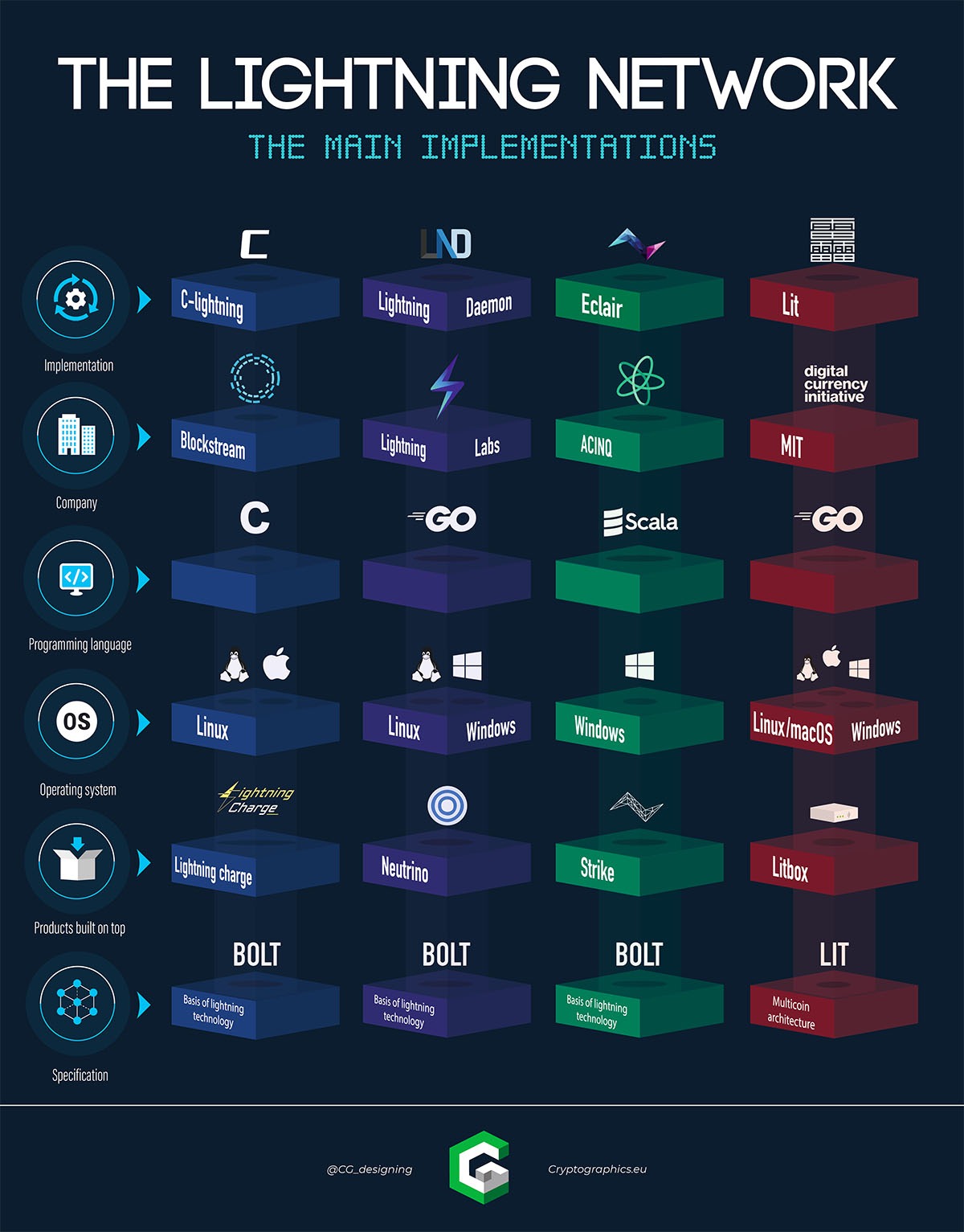
Source: Reddit
Wallet Setup and Configuration
The foundation of Lightning Network Banking begins with selecting and configuring a Lightning wallet that supports the banking services you need. Modern Lightning wallets integrate seamlessly with banking platforms while maintaining self-custody of funds and providing intuitive interfaces for complex operations.
Lightning Wallet: A specialized Bitcoin wallet that supports both on-chain transactions and Lightning Network channels, enabling instant payments and access to Lightning Banking services while maintaining self-custody.
Essential wallet selection criteria include:
- Self-custody support: Full control over private keys and channel management
- Banking integration: Native support for bill payment, savings, and lending services
- Multi-platform availability: Mobile, desktop, and web access for convenience
- Security features: Multi-signature support, hardware wallet integration, backup systems
- User interface quality: Intuitive design that makes complex operations simple
- Channel management automation: Automated liquidity management and fee optimization
Popular Lightning Wallets
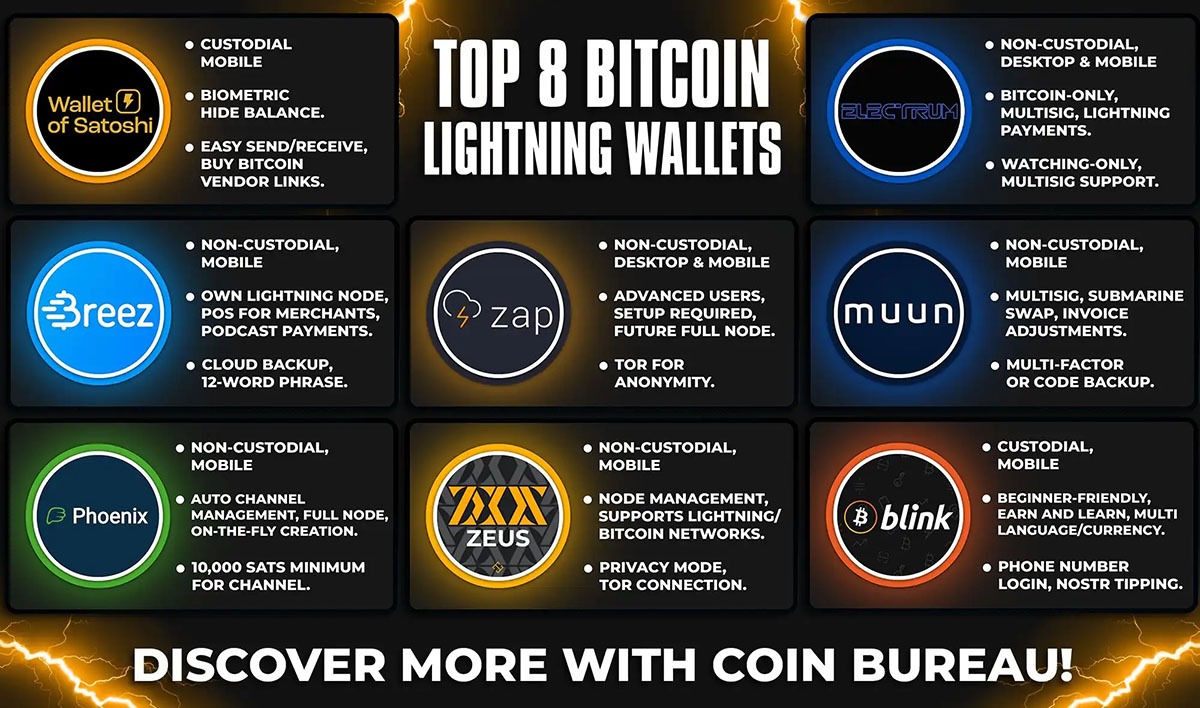
Source: CoinBureau
Funding and Channel Setup
Initial funding requires purchasing Bitcoin through a reputable exchange and transferring it to your Lightning wallet for channel creation. The amount needed depends on your intended usage, but most users start with $100-$1,000 to access meaningful banking services while learning the system's capabilities.
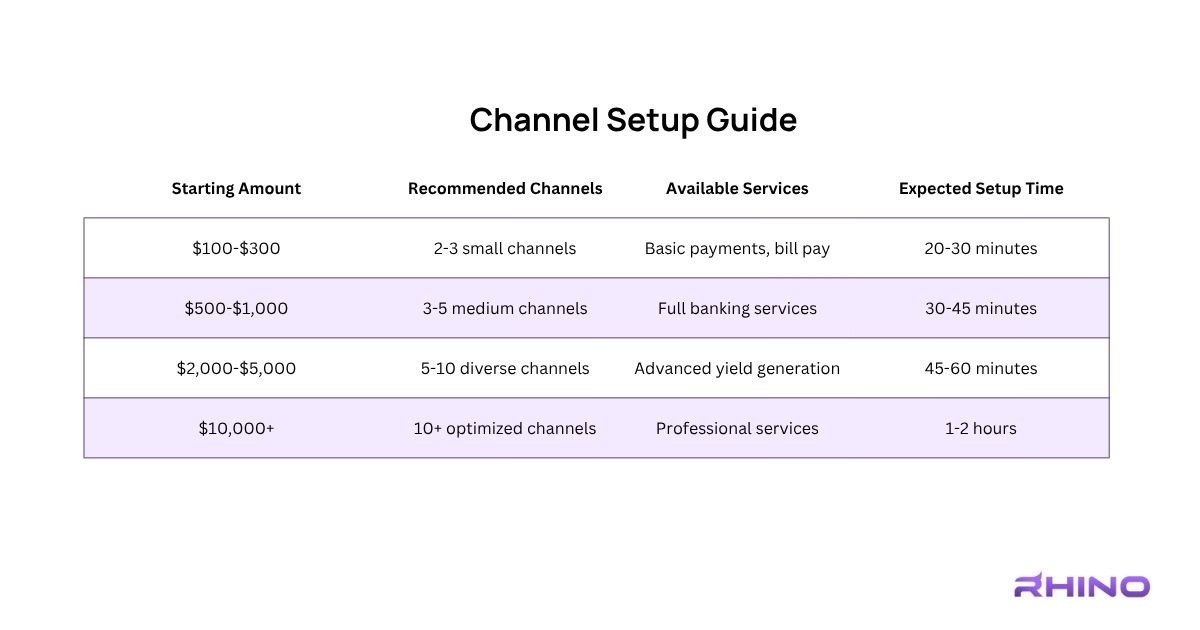
Channel setup automation provided by platforms like Rhino Bitcoin eliminates the technical complexity of manual channel management while ensuring optimal connectivity and liquidity distribution for banking services.
Service Activation and Integration
Once Lightning channels are established, users can activate banking services including automated bill payment, savings accounts, lending access, and debit card functionality. Service activation typically requires identity verification for regulatory compliance while maintaining the privacy advantages of Lightning Network transactions.
The activation process includes:
- Identity verification: KYC compliance for banking service access
- Service selection: Choosing specific banking features based on individual needs
- Payment automation setup: Configuring recurring payments and automatic transfers
- Security configuration: Setting up multi-factor authentication and backup procedures
- Integration testing: Verifying all services work correctly with small test transactions
- Ongoing optimization: Regular review and adjustment of channel and service configurations
Professional onboarding services provide guided setup assistance, ensuring users maximize the benefits of Lightning Network Banking while avoiding common configuration mistakes that can impact security or functionality.
Business Applications and Use Cases
Lightning Network Banking transforms business operations through instant payment processing, automated accounting integration, global payment acceptance, and programmable financial services that eliminate traditional banking limitations. Businesses can reduce payment processing costs by 90%+ while gaining access to 24/7 settlement, global customer reach, and automated financial workflows that improve cash flow and operational efficiency.
The business applications span industries from e-commerce and digital services to traditional retail, professional services, and international trade. Companies implementing Lightning Banking typically see immediate improvements in payment speed, cost reduction, and customer satisfaction while gaining competitive advantages through superior financial infrastructure.
Payment Processing and Merchant Services
Lightning Network Banking enables superior merchant payment processing through instant settlement, minimal fees, and global accessibility without traditional payment processor limitations. Merchants can accept payments from any Lightning-enabled wallet worldwide while receiving instant settlement in Bitcoin or their preferred fiat currency.
Point of Sale (PoS) Integration: Lightning Network payment systems that integrate with existing retail payment infrastructure, enabling instant Bitcoin payments alongside traditional payment methods.
Key merchant advantages include:
- Instant settlement: Payments settle immediately rather than waiting 2-3 business days
- Reduced fees: Processing costs under 0.5% compared to 2-4% for traditional cards
- Global reach: Accept payments from customers worldwide without geographic restrictions
- Chargeback elimination: Lightning payments are final and cannot be reversed fraudulently
- Enhanced privacy: Reduced customer data exposure compared to card processing
- 24/7 operation: Payment processing available continuously without banking hour limitations
Lightning Network POS Terminals by Opago

Source: Opago Pay (LinkedIn)
Supply Chain and B2B Payments
Business-to-business payments benefit significantly from Lightning Network Banking through eliminated settlement delays, reduced processing costs, and enhanced payment tracking and reconciliation. Supply chain payments that traditionally take days or weeks to clear can settle instantly while providing cryptographic proof of payment completion.
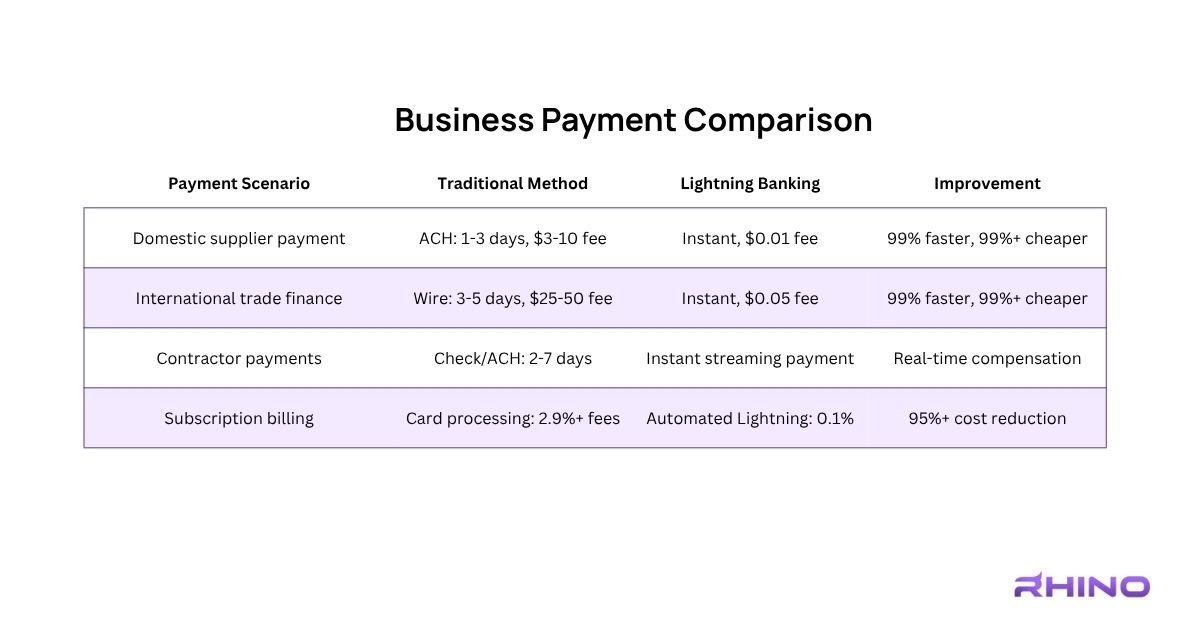
Automated Financial Operations
Lightning Network Banking enables sophisticated automation of business financial operations through programmable payments, smart contract integration, and API-driven financial services. Businesses can implement automated invoice processing, dynamic pricing, usage-based billing, and conditional payments that respond to real-world events or data feeds.
Advanced automation capabilities include:
- Invoice automation: Automatic payment upon delivery confirmation or milestone completion
- Dynamic pricing: Real-time price adjustments based on demand, inventory, or market conditions
- Escrow services: Conditional payments held until contract terms are satisfied
- Multi-party splitting: Automatic revenue distribution among multiple stakeholders
- Compliance automation: Automatic tax calculation and regulatory reporting integration
- Treasury management: Automated liquidity management and yield optimization for business funds
Companies utilizing comprehensive Lightning Banking platforms like Rhino Bitcoin's business services can implement these advanced capabilities without requiring internal blockchain expertise while maintaining competitive advantages through superior financial infrastructure.
Future Outlook and Development
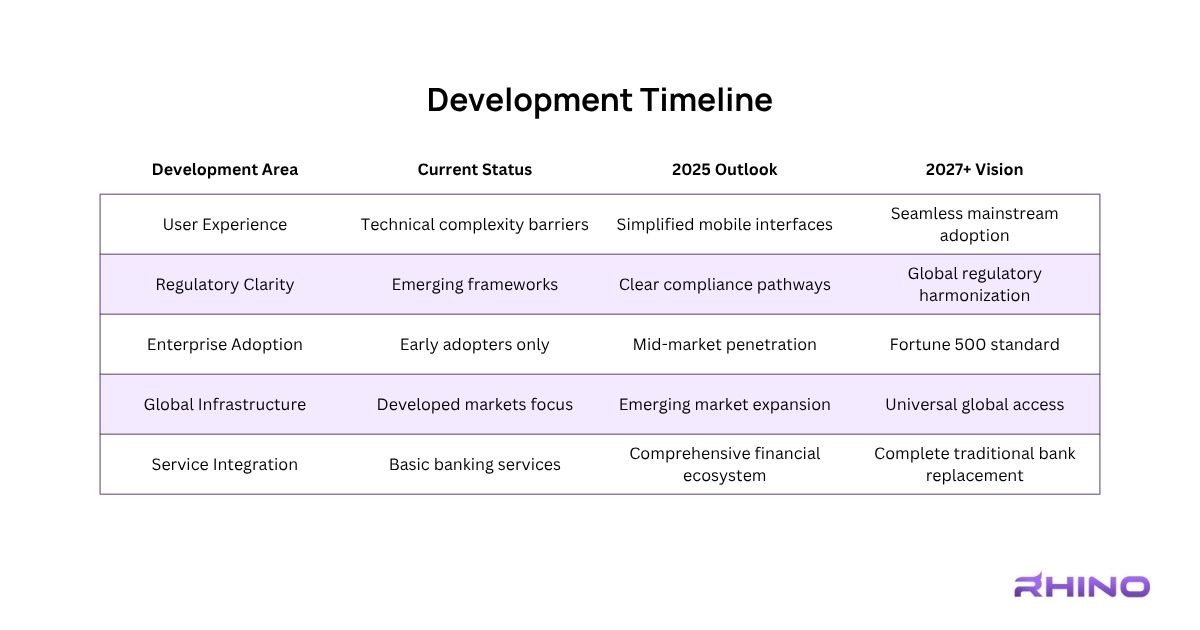
Lightning Network Banking represents the early stage of a financial transformation that will reshape global commerce, banking, and monetary systems over the next decade. Current development focuses on improving user experience, expanding service integration, and building institutional-grade infrastructure that can support mainstream adoption while preserving the decentralized and sovereignty-preserving characteristics that make Lightning Network Banking superior to traditional systems.
The trajectory of development includes enhanced automation capabilities, expanded global regulatory compliance, integration with emerging technologies like artificial intelligence and Internet of Things (IoT) devices, and the creation of comprehensive financial ecosystems that provide all necessary banking services without requiring traditional financial intermediaries.
Technological Development Roadmap
Ongoing Lightning Network protocol development focuses on improving scalability, privacy, and functionality while maintaining backward compatibility and security guarantees. These improvements will enable Lightning Network Banking to serve billions of users while supporting increasingly sophisticated financial services and automation capabilities.
Taproot Integration: Bitcoin's latest upgrade that enhances Lightning Network privacy, efficiency, and smart contract capabilities, enabling more sophisticated Lightning Banking applications.
Taproot Upgrade Provides Better Privacy for the Lightning Network
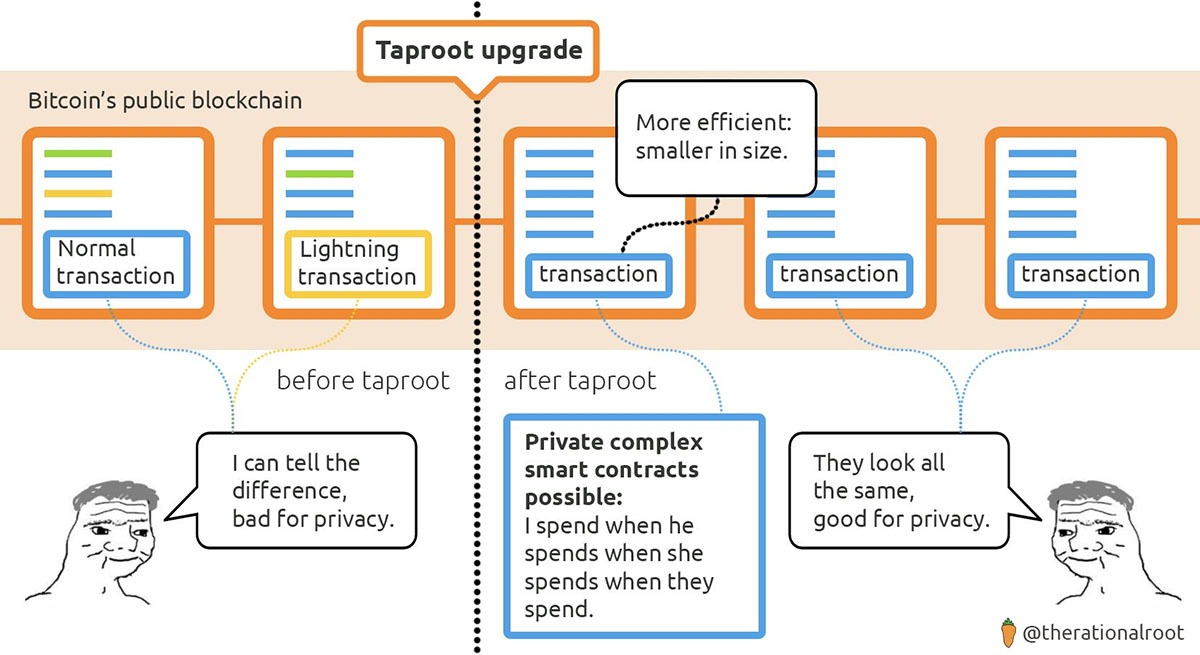
Source: K33 Research
Key development priorities include:
- Channel efficiency improvements: Larger channels, better liquidity management, reduced on-chain footprint
- Privacy enhancements: Advanced routing privacy, transaction mixing, improved anonymity sets
- Smart contract expansion: More sophisticated financial products, automated services, conditional payments
- Mobile optimization: Simplified interfaces, battery optimization, offline payment capabilities
- Enterprise features: Multi-signature improvements, audit trails, regulatory compliance tools
- Interoperability protocols: Cross-chain compatibility, traditional banking integration, API standardization
Regulatory Integration and Compliance
The regulatory landscape for Lightning Network Banking continues evolving as governments recognize the benefits of instant, low-cost payments while developing frameworks that preserve consumer protection and financial system stability. This evolution enables Lightning Banking platforms to offer regulated services while maintaining the technological advantages that make them superior to traditional banking.
Regulatory development trends include recognition of self-custody rights, clarification of Lightning Network legal status, and creation of regulatory sandboxes that enable innovation while ensuring consumer protection. These developments reduce regulatory uncertainty while enabling mainstream adoption of Lightning Network Banking services.
Market Adoption Catalysts
Several market forces will accelerate Lightning Network Banking adoption including continued inflation concerns driving demand for Bitcoin-based financial services, increasing recognition of traditional banking limitations, and technological improvements that eliminate current usability barriers. Additionally, generational shifts toward digital-native financial services favor Lightning Banking's mobile-first, sovereignty-preserving approach.
Critical adoption catalysts include institutional recognition of Bitcoin as a treasury asset, regulatory clarity that enables compliant Lightning Banking operations, and continued improvement in user interfaces that make Lightning Banking accessible to mainstream users without technical expertise.
Industry analysis suggests Lightning Network Banking will capture significant market share from traditional banking over the next decade as users recognize the superior speed, cost, and control advantages while regulatory frameworks enable compliant operation in major markets worldwide.
Frequently Asked Questions
1. What is Lightning Network Banking and how is it different from traditional banking?
Lightning Network Banking is a comprehensive financial services system built on Bitcoin's Lightning Network that provides instant payments, bill payment, savings, lending, and other banking services while maintaining user control over funds through self-custody. Unlike traditional banking where institutions hold your money and can restrict access, Lightning Banking allows you to maintain ownership of your private keys while accessing banking services through programmable smart contracts and payment channels.
2. Is Lightning Network Banking safe compared to FDIC-insured traditional banks?
Lightning Network Banking provides different but compelling security guarantees compared to traditional banking. While traditional banks offer FDIC insurance up to $250,000, they also expose users to bank failures, frozen accounts, and operational restrictions. Lightning Banking eliminates counterparty risk through self-custody and cryptographic security, meaning your funds cannot be frozen, seized, or lost due to institutional failure. The security depends on proper key management and channel monitoring, which professional platforms automate for users.
3. How much does it cost to use Lightning Network Banking services?
Lightning Network Banking offers dramatically lower costs than traditional banking. Payment fees typically range from $0.001 to $0.01 regardless of amount, compared to traditional wire fees of $25-$50. International payments cost the same as domestic payments on Lightning. Most Lightning Banking platforms charge no monthly fees, no overdraft fees, and no minimum balance requirements. Users may pay small routing fees for liquidity services and nominal fees for specialized services like lending or bill payment processing.
4. Can I pay all my regular bills through Lightning Network Banking?
Yes, comprehensive Lightning Banking platforms support bill payment for utilities, rent, mortgages, credit cards, insurance, telecommunications, and subscription services. The system converts Lightning payments to traditional payment methods (ACH, wire transfer, or direct biller integration) as needed. You can set up automated recurring payments, scheduled payments, and conditional payment execution while maintaining lower fees and better control compared to traditional bill pay services.
5. What happens if the Lightning Network goes down or fails?
Lightning Network Banking is designed with multiple layers of protection against network failures. If the Lightning Network experiences issues, users can always close their channels and recover their funds on the Bitcoin blockchain within 1-7 days depending on channel configuration. Professional Lightning Banking platforms maintain multiple backup systems, alternative routing paths, and emergency procedures to ensure service continuity. The decentralized nature of the Lightning Network makes complete network failure extremely unlikely, as it would require simultaneous failure of thousands of independent nodes worldwide.
6. How do I get started with Lightning Network Banking if I'm not technical?
Getting started with Lightning Network Banking is increasingly user-friendly through platforms that handle technical complexity automatically. You typically need to: (1) download a Lightning Banking app, (2) complete identity verification for regulatory compliance, (3) purchase Bitcoin and transfer it to your Lightning wallet, and (4) activate desired banking services. The entire process usually takes 20-30 minutes, and customer support helps with any questions. Most users don't need to understand the technical details to use Lightning Banking effectively.
7. Can businesses accept Lightning payments from customers?
Yes, businesses can accept Lightning payments through point-of-sale systems, online payment processing, and mobile payment apps. Lightning merchant processing offers significant advantages including instant settlement, fees under 0.5%, no chargebacks, and global customer reach. Businesses can receive payments in Bitcoin or have them automatically converted to fiat currency. The integration process typically takes a few hours to a few days depending on the complexity of existing payment systems.
8. What yields can I earn through Lightning Network Banking compared to traditional savings?
Lightning Banking typically offers yields of 3-15% annually through channel fee earnings, routing rewards, and liquidity provision services, significantly exceeding traditional savings account rates of 0.5-2%. The exact yield depends on channel management strategy, network participation level, and market conditions. Unlike traditional bank interest that depends on bank profitability and Fed rates, Lightning yields come directly from network participation and payment facilitation, creating more direct correlation between network growth and user returns.
9. Are Lightning Network Banking transactions private?
Lightning Network transactions offer enhanced privacy compared to traditional banking while being less private than cash. Traditional banks maintain complete surveillance over all customer transactions, while Lightning payments are only visible to direct channel partners. Payment routing through multiple channels provides additional privacy through onion routing. However, Lightning transactions still leave some traces, and users seeking maximum privacy can combine Lightning with additional privacy tools. The privacy level is significantly better than credit cards or traditional electronic payments.
10. What regulations apply to Lightning Network Banking?
Lightning Network Banking operates under evolving regulatory frameworks that vary by jurisdiction. Most platforms comply with anti-money laundering (AML) and know-your-customer (KYC) requirements similar to traditional financial services. Self-custody aspects of Lightning Banking often fall under different regulations than traditional banking, and the decentralized nature of the Lightning Network itself typically doesn't require licensing. Users should verify that their chosen Lightning Banking platform operates compliantly in their jurisdiction and consult legal advice for specific regulatory questions.
References
- Nakamoto, S. (2008). Bitcoin: A Peer-to-Peer Electronic Cash System. Retrieved from https://bitcoin.org/bitcoin.pdf
- Poon, J., & Dryja, T. (2016). The Bitcoin Lightning Network: Scalable Off-Chain Instant Payments. Retrieved from https://lightning.network/lightning-network-paper.pdf
- Federal Reserve Bank of Boston. (2021). Project Hamilton: Central Bank Digital Currency Research. Retrieved from https://www.bostonfed.org/publications/one-time-pubs/project-hamilton.aspx
- Bank for International Settlements. (2023). Digital Currencies and Financial Stability. Retrieved from https://www.bis.org/publ/qtrpdf/r_qt2309.htm
- Lightning Network Statistics. (2024). Network Capacity and Growth Metrics. Retrieved from https://1ml.com/statistics
- Coin Metrics. (2024). Lightning Network Adoption Report. Retrieved from https://coinmetrics.io/lightning-network-report-2024/
- European Central Bank. (2023). Crypto-assets and Decentralised Finance: Implications for Financial Stability. Retrieved from https://www.ecb.europa.eu/pub/financial-stability/fsr/special/html/ecb.fsrart202305_01~6f9d3973b6.en.html
- Financial Action Task Force. (2023). Updated Guidance on Virtual Assets and Virtual Asset Service Providers. Retrieved from
Disclaimer: This content is for educational and informational purposes only and should not be construed as financial, investment, legal, or tax advice. Lightning Network Banking involves risks including price volatility, technical complexity, and regulatory uncertainty. Always conduct your own research and consult with qualified professionals before making financial decisions.
Risk Warning: Bitcoin and Lightning Network services involve significant risks including total loss of funds, technical failures, and market volatility. Lightning Network Banking is experimental technology that may experience bugs, security vulnerabilities, or operational failures. Users should only invest amounts they can afford to lose and should understand the technical requirements of self-custody before proceeding.
Disclosure: This content may contain references to Rhino Bitcoin, a Lightning Network Banking platform. The author may have business relationships with companies mentioned in this article. All information presented is believed to be accurate but is not guaranteed. Past performance does not indicate future results.
.png)
.png)