
Essential Bitcoin Wallet Encryption Methods For Maximum Security
Bitcoin wallet encryption uses AES-256 and strong key derivation to protect private keys from theft, brute-force attacks, and unauthorized access.
Buy Bitcoin with Zero Fees with Rhino
The most secure way to stack sats. Simple, fast, and zero trading fees.
Bitcoin wallet encryption protects your private keys using advanced cryptographic methods that transform readable data into scrambled ciphertext. Modern bitcoin wallets employ AES-256 encryption as the industry standard, combined with key derivation functions like PBKDF2 or scrypt to strengthen password-based protection against brute-force attacks.
Key Summary: Bitcoin wallet encryption converts private keys into protected ciphertext using AES-256 encryption and strong password derivation, preventing unauthorized access even if wallet files are stolen.
Key Takeaways:
- AES-256 encryption is the gold standard for bitcoin wallet protection
- Strong passphrases combined with key derivation functions prevent brute-force attacks
- Hardware wallets add physical security layers to encryption methods
- Multi-signature setups distribute encryption across multiple devices
Securing bitcoin requires understanding how encryption protects your holdings. For comprehensive security practices, see our complete Bitcoin security guide. This article explores the technical encryption methods that safeguard bitcoin wallets within the broader context of Bitcoin custody and security architecture.
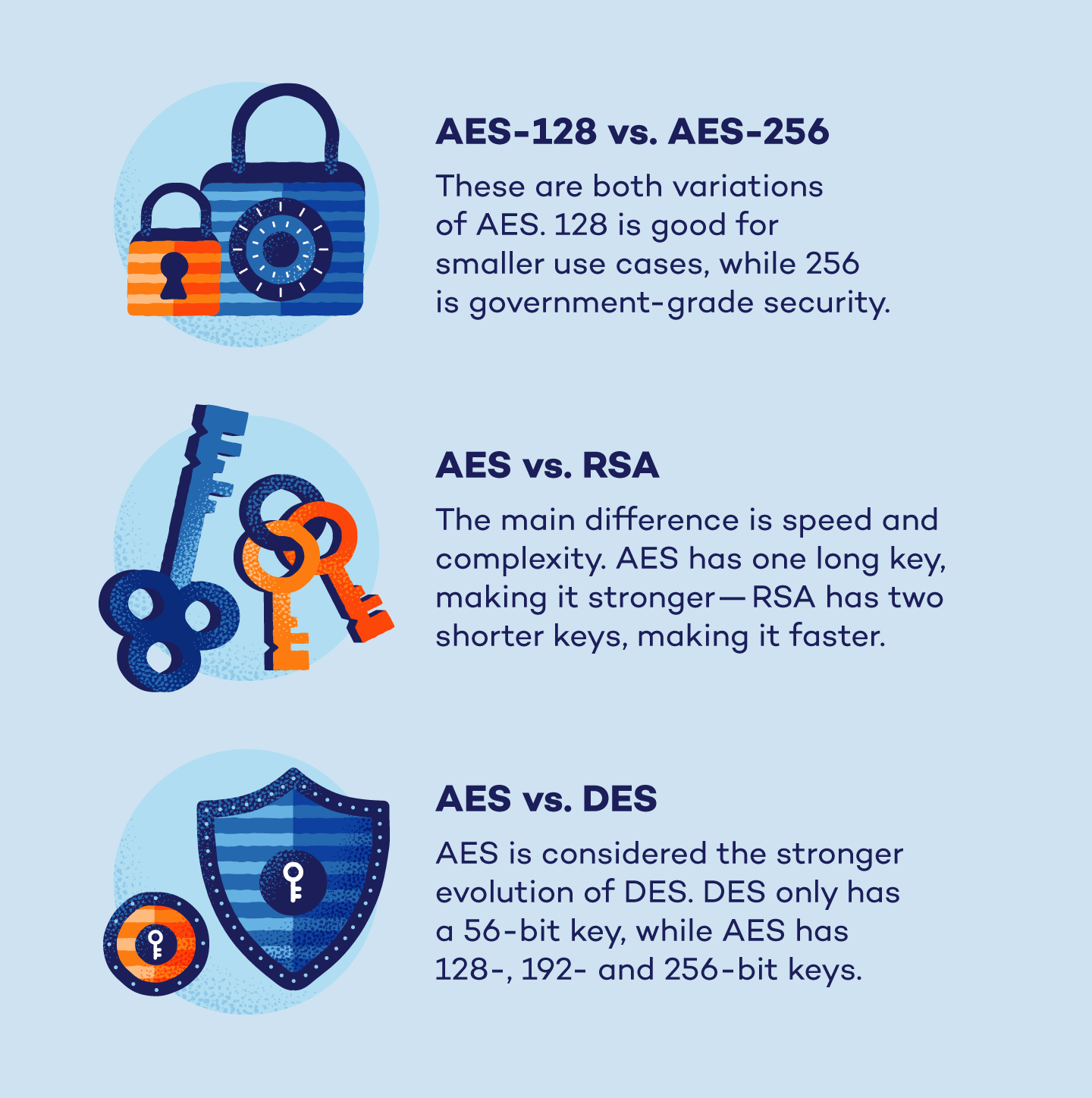
AES is Considered the Gold Standard in Encryption Standards
What Is Bitcoin Wallet Encryption?
Bitcoin wallet encryption is the process of converting private keys and seed phrases into encrypted data that remains unreadable without the correct password or decryption key. The encryption transforms plaintext data into ciphertext using mathematical algorithms, creating a protective barrier against unauthorized access.
When you encrypt a bitcoin wallet, the software applies cryptographic functions to your private keys. This process ensures that even if someone gains physical access to your device or wallet file, they cannot extract usable keys without knowing your passphrase. The strength of this protection depends on both the encryption algorithm and the quality of your password.
Private Key: A 256-bit number that proves ownership of bitcoin and authorizes transactions. Anyone with access to your private key controls your bitcoin. Learn more from Bitcoin.org
Most modern bitcoin wallets use symmetric encryption, where the same key encrypts and decrypts data. The wallet derives this encryption key from your password using specialized functions designed to resist hacking attempts. Understanding these encryption layers helps you make informed decisions about securing your bitcoin holdings.
How AES-256 Encryption Protects Bitcoin Wallets
Advanced Encryption Standard with 256-bit keys (AES-256) is the encryption method used by most reputable bitcoin wallets, including hardware devices and software applications. AES-256 creates 2^256 possible key combinations, a number so large that brute-force attacks remain computationally impossible with current technology.
The AES algorithm works by processing data through multiple rounds of substitution and permutation operations. For 256-bit keys, the algorithm performs 14 rounds of transformations, making the encrypted output resistant to cryptanalysis. The National Institute of Standards and Technology (NIST) approved AES as a federal standard in 2001, and it has since become the global benchmark for data encryption.
Key characteristics of AES-256 encryption:
- Block size: Processes data in 128-bit blocks
- Key length: 256 bits provides maximum security tier
- Processing rounds: 14 transformation rounds for 256-bit keys
- Government use: Approved for classified information up to TOP SECRET level
- Performance: Hardware acceleration available on modern processors
Bitcoin wallets implement AES-256 in various modes, most commonly CBC (Cipher Block Chaining) or GCM (Galois/Counter Mode). These modes determine how the algorithm processes multiple blocks of data and provide additional security features like authentication. Platforms like Rhino Bitcoin use military-grade 256-bit encryption to protect customer bitcoin holdings while maintaining user-friendly access.
Key Derivation Functions and Password Strengthening
Key derivation functions (KDFs) transform your human-readable password into the actual encryption key used to protect your wallet. Without KDFs, weak passwords would make even AES-256 encryption vulnerable to dictionary attacks and rainbow table exploits.
The most common KDFs in bitcoin wallets are PBKDF2 (Password-Based Key Derivation Function 2), scrypt, and Argon2. These functions intentionally consume significant computational resources, making each password guess expensive for attackers. PBKDF2 applies a cryptographic hash function thousands or millions of times, while scrypt and Argon2 also require substantial memory, defeating specialized cracking hardware.
Key Derivation Function (KDF): An algorithm that converts passwords into cryptographic keys through computationally intensive processes, making brute-force attacks impractical even against weak passwords. Learn more from Wikipedia
Comparison: Common Key Derivation Functions
PBKDF2:
- Pros: Widely supported, NIST approved, simple implementation
- Cons: Vulnerable to specialized hardware attacks, lower memory requirements
- Best For: General-purpose wallet encryption with high iteration counts
Scrypt:
- Pros: Memory-hard algorithm, resistant to ASIC attacks, well-tested
- Cons: Slower on mobile devices, higher resource consumption
- Best For: High-security applications where hardware attacks are a concern
Argon2:
- Pros: Winner of Password Hashing Competition, configurable memory and time costs, resistant to side-channel attacks
- Cons: Newer standard with less deployment history
- Best For: Modern wallets prioritizing maximum security
When selecting a bitcoin wallet, verify which KDF it implements and with what parameters. Wallets using PBKDF2 should apply at least 100,000 iterations (preferably 1,000,000 or more as of 2025). The computational cost protects you even if you choose a moderately strong password, though longer passphrases always provide better security.
Hardware Wallet Encryption Methods
Hardware wallets add physical security elements to encryption by storing private keys in secure chips that never expose keys to connected computers. These devices combine standard encryption algorithms with tamper-resistant hardware, creating multiple defensive layers against both digital and physical attacks.
Popular hardware wallets from manufacturers like Ledger, Trezor, and Coldcard implement secure element chips or general-purpose microcontrollers with custom firmware. The secure element approach uses certified chips (meeting standards like Common Criteria EAL5+) that resist sophisticated physical attacks including power analysis and fault injection. These chips perform encryption operations internally and only output signed transactions, never the raw private keys.
Hardware wallet security features:
- Isolated key storage: Private keys never leave the secure chip
- PIN protection: Multiple wrong attempts trigger increasing delays or device wipes
- BIP39 passphrases: Optional 25th word adds another encryption layer
- Firmware verification: Cryptographic signatures prevent malicious firmware installation
- Transaction confirmation: Physical buttons verify operations on the device screen
Each BIP39 Passphrase Creates a Different Set of Keys With the Same Seed Phrase
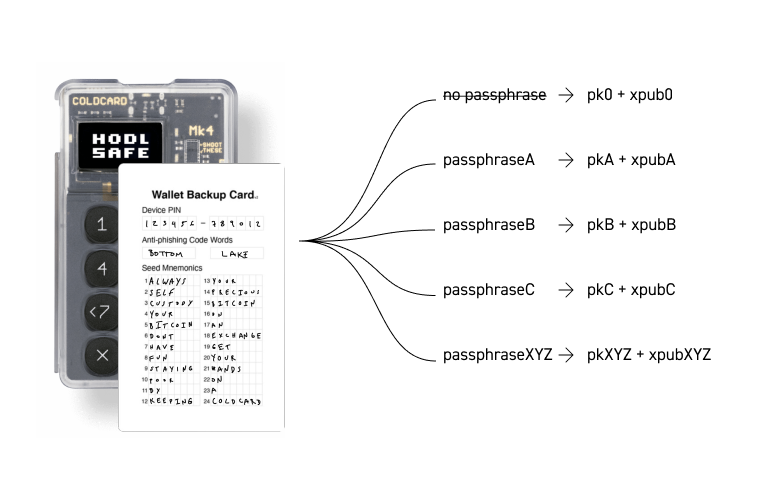
The encryption strength of hardware wallets depends on both the chip architecture and the implementation quality. Secure element chips offer certified protection but run proprietary code, while open-source general-purpose implementations provide transparency at the cost of slightly lower physical security. For most users, either approach provides substantially better protection than software-only solutions. Learn more about securing your bitcoin holdings across different wallet types.
Multi-Signature Encryption Architecture
Multi-signature (multisig) wallets distribute encryption across multiple private keys, requiring a threshold number of signatures to authorize transactions. A 2-of-3 multisig setup creates three separate keys, encrypts each independently, and requires any two keys to spend bitcoin.
Multisig fundamentally changes the encryption model from single-point protection to distributed security. Each key can use different encryption methods, passphrases, and storage locations. You might store one key on a hardware wallet with PIN protection, another on a mobile device with biometric encryption, and a third in cold storage with a paper backup. This architecture means an attacker must compromise multiple independent systems to steal funds.
The Bitcoin protocol implements multisig through P2SH (Pay-to-Script-Hash) or native SegWit addresses. The blockchain only records the spending conditions, not the individual public keys, providing an additional privacy layer. When spending, the wallet constructs a transaction with the required number of signatures, each generated by decrypting the corresponding private key.
Common multisig configurations:
- 2-of-3: Balances security and convenience, allows one key loss
- 3-of-5: Enterprise setups with multiple stakeholders
- 2-of-2: Joint accounts or escrow arrangements
Platforms offering Bitcoin custody solutions increasingly provide multisig options as standard features. Rhino Bitcoin implements multi-signature security options that combine institutional-grade protection with user-controlled keys, giving customers both security and self-custody benefits. This approach addresses the single-point-of-failure vulnerability inherent in traditional single-key encryption.
BIP39 Seed Phrase Encryption
BIP39 (Bitcoin Improvement Proposal 39) defines the standard method for encoding wallet seeds as human-readable word sequences, typically 12 or 24 words. These seed phrases represent the master key from which wallets derive all private keys, making their protection absolutely critical.
The BIP39 standard includes an optional passphrase feature (sometimes called the "25th word") that adds another encryption layer to the seed. When you add a passphrase, the wallet generates completely different keys and addresses. Without the passphrase, even someone with your 24-word seed cannot access your bitcoin. This creates plausible deniability: you can keep a small amount in the non-passphrase wallet and larger holdings behind the passphrase.
Seed Phrase: A sequence of 12 or 24 words that encodes a wallet's master key, allowing complete wallet recovery on any compatible device. Also called recovery phrase or mnemonic phrase. Learn more from Bitcoin.org
BIP39 seed phrases face unique storage challenges because they must remain accessible for wallet recovery yet hidden from attackers. Common approaches include metal backup plates (resistant to fire and water), split storage across secure locations, and Shamir's Secret Sharing (which divides the seed into shares requiring a threshold to reconstruct). Never store seed phrases digitally without strong encryption, as cloud services and devices connected to the internet introduce attack vectors.
You should treat seed phrase encryption differently from wallet file encryption. While you might accept some convenience trade-offs for daily-use wallet passwords, seed phrases warrant maximum security because they represent complete permanent access to all funds. Consider using a dedicated hardware wallet with secure element protection or implementing a multisig setup that eliminates single seed phrase vulnerability. Understanding comprehensive seed phrase security helps you choose appropriate protection methods.
Software Wallet Encryption Trade-offs
Software wallets running on smartphones and computers offer convenience but face more complex security challenges than hardware alternatives. These wallets must balance strong encryption with usability, operating system integration, and protection against malware on potentially compromised devices.
Mobile wallet encryption typically leverages operating system features like iOS Secure Enclave or Android Keystore to protect encryption keys. These hardware-backed key storage systems prevent apps from directly accessing key material and may tie decryption to biometric authentication. However, the security depends on the device manufacturer's implementation and whether the user maintains up-to-date security patches.
Software wallet security considerations:
- Operating system security: Outdated OS versions contain known vulnerabilities
- Malware risk: Keyloggers and screen capture malware can bypass encryption
- Cloud backup risks: Encrypted backups are only as secure as your cloud account
- App permissions: Excessive permissions increase attack surface
- Open-source verification: Closed-source wallets cannot be independently audited
When selecting a software wallet, prioritize open-source options with strong community review. Wallets like Electrum, BlueWallet, and Sparrow implement robust encryption but ultimately depend on the security of your device. For larger holdings, consider software wallets as spending wallets only, keeping the majority of funds in hardware or multisig cold storage. This tiered approach balances accessibility with security appropriate to each amount. Services like Rhino Bitcoin integrate Lightning Network support with security features, enabling instant bitcoin transactions while maintaining strong encryption for stored funds.
Comparing Encryption Methods for Different Use Cases
Choosing the right encryption approach depends on your bitcoin amount, technical expertise, and usage patterns. No single method suits every situation, so most security-conscious users employ multiple approaches for different purposes.
For Daily Spending (Under $1,000)
Mobile software wallets with biometric and PIN protection offer sufficient security for small amounts you need readily accessible. Lightning Network wallets enable instant payments for everyday purchases with minimal on-chain fees. The convenience trade-off makes sense when the amount at risk remains manageable.
For Medium Holdings ($1,000–$50,000)
Hardware wallets provide the optimal balance of security and accessibility for most bitcoin holders. These devices protect private keys with secure element chips while allowing relatively convenient access when you need to transact. Adding a BIP39 passphrase creates an additional protection layer without significant complexity.
For Large Holdings (Over $50,000)
Multi-signature cold storage with geographically distributed keys represents the gold standard for serious bitcoin security. A 2-of-3 or 3-of-5 multisig setup eliminates single points of failure while allowing key loss tolerance. Consider involving trusted parties or professional custody services for one or more keys.
For Business or Institutional Use
Enterprise multisig with HSM (Hardware Security Module) integration provides audit trails, role-based access control, and compliance features. These systems combine multiple encryption layers with procedural controls, ensuring that no single person can unilaterally access funds.
Most users benefit from a tiered approach: Lightning wallet for daily spending, hardware wallet for medium-term holdings, and multisig cold storage for long-term wealth preservation. This strategy matches security levels to risk exposure while maintaining practical access to funds you need regularly. Understanding your specific use case helps you select encryption methods that provide appropriate protection without unnecessary complexity.
Common Encryption Mistakes to Avoid
Even strong encryption algorithms fail when implemented incorrectly or combined with poor security practices. Understanding common mistakes helps you avoid vulnerabilities that could compromise your bitcoin regardless of encryption strength.
Critical encryption errors:
- Weak passphrases: Short or dictionary-word passwords remain vulnerable despite strong KDFs
- Passphrase reuse: Using the same password across wallets multiplies your risk exposure
- Unencrypted backups: Storing seed phrases in plaintext cloud storage negates wallet encryption
- Ignoring updates: Outdated wallet software may contain known encryption vulnerabilities
- Trusting closed-source wallets: Proprietary encryption cannot be independently verified
Another common mistake involves over-complicating security to the point where you risk losing access to your own funds. Elaborate encryption schemes with multiple passphrases stored in complex ways increase the likelihood that you forget critical information. Balance paranoia with pragmatism: your encryption should protect against realistic threats while remaining usable for legitimate access.
Avoid storing encryption passwords or seed phrases digitally unless using a dedicated password manager with strong encryption. Screenshots, note-taking apps, email drafts, and cloud documents all create attack surfaces. Physical metal backups stored securely provide better protection for critical recovery information than any digital storage method.
Frequently Asked Questions
What encryption does Bitcoin itself use?
Bitcoin uses ECDSA (Elliptic Curve Digital Signature Algorithm) with the secp256k1 curve for transaction signatures, but the protocol does not encrypt transaction data. Wallet encryption is implemented at the application layer, not in Bitcoin's consensus rules.
Can quantum computers break bitcoin wallet encryption?
Current AES-256 encryption remains quantum-resistant according to NIST analysis, though sufficiently powerful quantum computers could theoretically break ECDSA signatures. Bitcoin developers are researching quantum-resistant signature schemes for future protocol upgrades. Learn more about quantum computing risks.
How long should my wallet passphrase be?
Aim for at least 12–16 random characters mixing uppercase, lowercase, numbers, and symbols. Passphrases using four or more random words from a large dictionary provide equivalent security with better memorability (e.g., "correct-horse-battery-staple" approach).
Is it safe to store encrypted wallet files in cloud storage?
Encrypted wallet files with strong passphrases and robust KDFs can be stored in cloud services, but this adds risk from cloud account compromise. For larger holdings, prefer offline storage or distributed multisig approaches that do not concentrate encrypted keys in one location.
What happens if I forget my wallet encryption password?
Without your password, encrypted wallet files become permanently inaccessible with current technology. This underscores the importance of secure password management and maintaining separate seed phrase backups that allow wallet recovery on new devices.
Do hardware wallets encrypt data when connected to computers?
Hardware wallets encrypt communication with host computers using secure channels, but more importantly, they never expose private keys regardless of connection security. The device signs transactions internally and only transmits signed transactions to the host.
Can I use the same encryption password for multiple wallets?
Avoid password reuse across wallets because compromise of one wallet would expose all others. If you manage multiple wallets, use a password manager to generate and store unique strong passwords for each wallet.
How often should I update my wallet encryption?
Update wallet software when security patches are released, but you typically do not need to change encryption passwords unless you suspect compromise. If changing passwords, ensure you update all backup locations and recovery documentation.
What's the difference between encrypting a wallet and using a BIP39 passphrase?
Wallet file encryption protects the software's local storage, while BIP39 passphrases generate entirely different keys and addresses. Passphrases provide plausible deniability and work across any compatible wallet, while file encryption only protects that specific application's data.
Conclusion
Bitcoin wallet encryption combines proven cryptographic algorithms like AES-256 with key derivation functions that resist brute-force attacks. The encryption method you choose should match your holdings and technical comfort level, from software wallets with biometric protection for daily spending to multisig cold storage with distributed keys for long-term wealth preservation.
Key considerations when implementing wallet encryption:
- Verify your wallet uses AES-256 with strong KDFs (100,000+ iterations for PBKDF2)
- Create unique, complex passphrases that you can reliably remember or securely store
- Implement tiered security: different encryption methods for different amounts
- Never store seed phrases unencrypted, even in "secure" cloud storage
Strong encryption protects your bitcoin from theft but creates responsibility for password management and backup procedures. Balance security with usability, ensuring your encryption scheme protects against realistic threats without becoming so complex that you risk losing access to your own funds. For those seeking comprehensive Bitcoin security with institutional-grade encryption and user-controlled keys, explore Rhino Bitcoin's multi-signature security options that combine strong protection with practical accessibility.
References
- National Institute of Standards and Technology. "Advanced Encryption Standard (AES)."
https://www.nist.gov/publications/advanced-encryption-standard-aes - Bitcoin.org. "Securing Your Wallet."
https://bitcoin.org/en/secure-your-wallet - Bitcoin Improvement Proposal 39. "Mnemonic Code for Generating Deterministic Keys."
https://github.com/bitcoin/bips/blob/master/bip-0039.mediawiki - Percival, C. "Stronger Key Derivation via Sequential Memory-Hard Functions." (scrypt whitepaper)
https://www.tarsnap.com/scrypt/scrypt.pdf - Biryukov, A., Dinu, D., Khovratovich, D. "Argon2: The Memory-Hard Function for Password Hashing and Other Applications."
https://github.com/P-H-C/phc-winner-argon2/blob/master/argon2-specs.pdf
Important Disclaimers
Disclaimer: Educational information only. Not financial, legal, medical, or tax advice.
Risk Warnings: All investments carry risk, including loss of principal. Past performance is not indicative of future results. Bitcoin is a volatile asset and may not be suitable for all investors.
Conflicts of Interest: Rhino Bitcoin provides Bitcoin financial services. This content is educational and may reference our products.
.png)
.png)