
Bitcoin Payroll Direct Deposit: Complete Banking Alternative Guide
Bitcoin payroll direct deposit lets employees receive wages in bitcoin, enabling automatic dollar-cost averaging while keeping tax treatment the same as traditional pay.
Buy Bitcoin with Zero Fees with Rhino
The most secure way to stack sats. Simple, fast, and zero trading fees.
Bitcoin payroll direct deposit allows employees to receive their wages directly in bitcoin rather than traditional fiat currency. This payment method combines the convenience of direct deposit with the benefits of bitcoin ownership, enabling workers to build bitcoin holdings automatically with each paycheck.
Key Summary: Bitcoin payroll direct deposit converts employee wages to bitcoin and deposits them directly into a bitcoin wallet, eliminating manual conversion steps while enabling automatic accumulation of bitcoin over time.
Key Takeaways:
- Employees receive wages directly in bitcoin without manual conversion
- Works through payroll providers or bitcoin platforms with direct deposit features
- Creates automatic dollar-cost averaging into bitcoin with each paycheck
- Tax obligations remain the same as traditional payroll
For those exploring bitcoin banking alternatives, payroll direct deposit represents one of the most practical entry points into using bitcoin for everyday financial needs. This article examines how bitcoin payroll systems work, their benefits and limitations, and what employees and employers need to know before implementation.
How Does Bitcoin Payroll Direct Deposit Work?
Bitcoin payroll direct deposit operates through intermediary services that convert traditional currency wages into bitcoin and deliver them to employee wallets. The employer continues paying in dollars while the employee receives bitcoin.
The process typically involves three steps. First, the employer processes standard payroll through their existing system. Second, a bitcoin payment service intercepts the direct deposit and converts the designated amount to bitcoin at current market rates. Third, the service deposits the bitcoin directly into the employee's specified wallet address.
Technical implementation options include:
- Payroll provider integration: Services like Bitwage connect to existing payroll systems
- Bitcoin banking platforms: All-in-one platforms like Rhino Bitcoin offer direct deposit features with instant conversion
- Split deposits: Employees can allocate percentages between traditional bank accounts and bitcoin wallets
- Lightning Network delivery: Some services use Lightning for instant, low-fee bitcoin delivery
According to payroll processing standards, bitcoin direct deposit maintains the same timing as traditional deposits. Employees typically receive their bitcoin on the same payday schedule, though market volatility means the bitcoin amount varies based on exchange rates at conversion time.
What Are the Benefits of Bitcoin Payroll?
Bitcoin payroll direct deposit offers several advantages over manually converting wages to bitcoin after receiving traditional payment. The primary benefit is automatic dollar-cost averaging, which reduces the impact of bitcoin's price volatility.
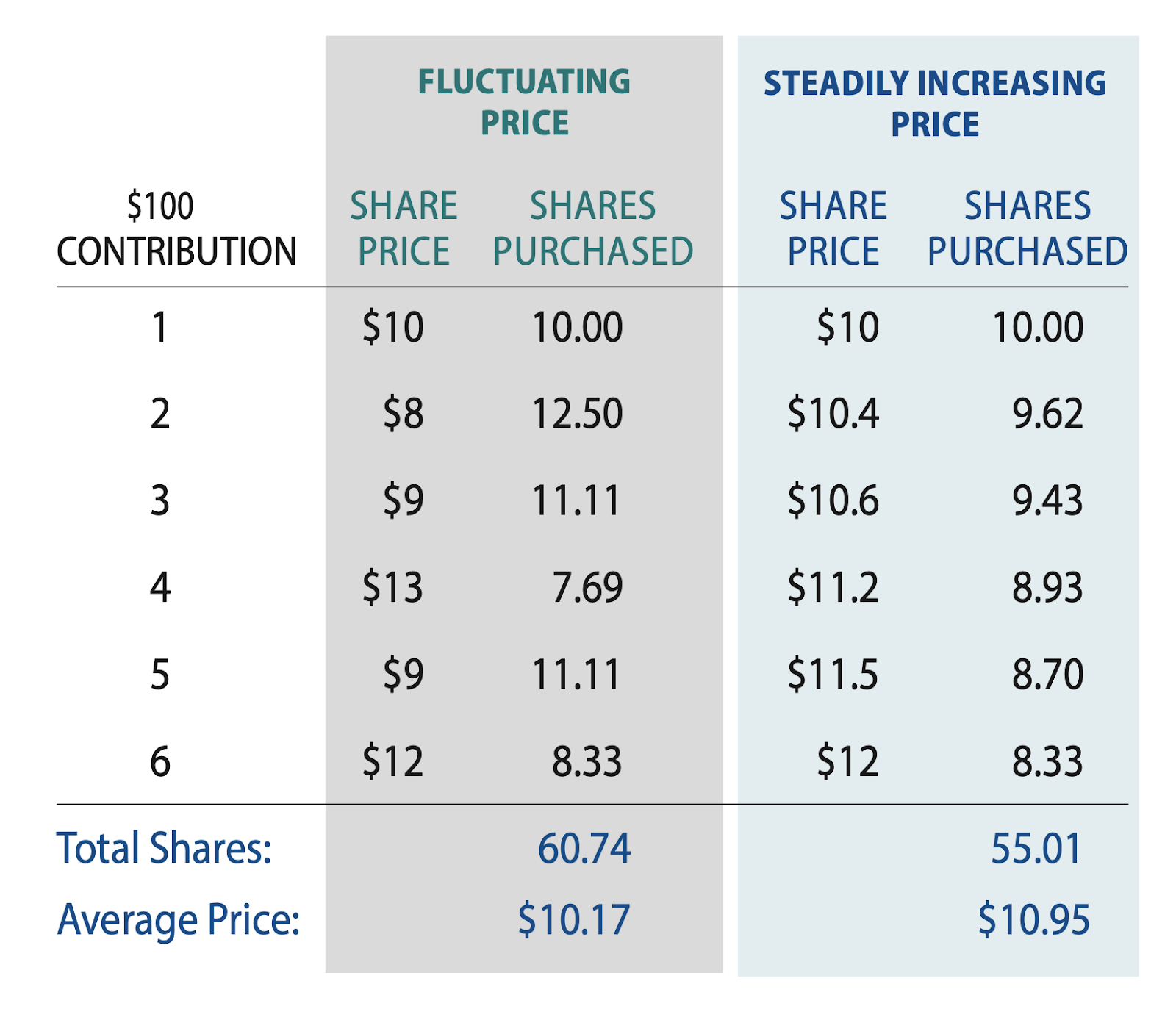
Employees who receive bitcoin payroll accumulate holdings through regular purchases at varying prices rather than attempting to time the market. This strategy, known as dollar-cost averaging, historically reduces risk compared to lump-sum investments in volatile assets. Over time, regular purchases at different price points tend to smooth out extreme highs and lows.
Additional benefits include:
- Elimination of conversion friction: No need to manually purchase bitcoin after receiving fiat wages
- Immediate bitcoin exposure: Funds convert to bitcoin before spending temptation
- Lower fees: Bulk payroll conversions often secure better rates than individual purchases
- Financial sovereignty: Direct control over wages without banking intermediaries
- International flexibility: Particularly valuable for remote workers and cross-border payments
Dollar-Cost Averaging: An investment strategy involving regular purchases of fixed dollar amounts regardless of price, reducing the impact of volatility by spreading purchases over time. Learn more
Example of Dollar-Cost Averaging in Different Market Conditions
For unbanked or underbanked workers, bitcoin payroll provides access to financial services without requiring a traditional bank account. This aspect aligns with broader bitcoin banking principles of financial inclusion and permissionless access to money.
What Are the Risks and Limitations?
Bitcoin payroll direct deposit carries significant risks that employees must understand before implementation. The primary concern is price volatility, which can substantially impact purchasing power between paydays.
An employee receiving $2,000 in bitcoin might find that amount worth $1,800 or $2,200 within days. This volatility makes bitcoin payroll challenging for individuals living paycheck-to-paycheck or those with fixed expenses due shortly after payday. The risk increases for employees converting 100% of wages rather than a smaller percentage.
Market and Financial Risks
- Price volatility: Bitcoin can fluctuate 10% or more within days of receiving payment
- Liquidity needs: Converting bitcoin back to fiat for bills adds time and conversion fees
- Exchange rate timing: Conversion happens at market rate when payroll processes, not when work was performed
Operational and Security Risks
- Self-custody responsibility: Employees must secure their own private keys or trust a custodial service
- Irreversible transactions: Incorrect wallet addresses result in permanent loss with no recourse
- Service dependency: Payroll processing relies on third-party conversion services remaining operational
Tax and Compliance Complexity
- Taxable events: Each bitcoin payment creates a cost basis requiring tracking for future tax calculations
- Withholding complications: Employers must still withhold taxes in fiat even when paying in bitcoin
- Record-keeping burden: Employees must track every payment's fair market value at receipt
How Do Taxes Work with Bitcoin Payroll?
The IRS treats bitcoin received as wages identically to traditional compensation for tax purposes. According to IRS Notice 2014-21, virtual currency payments for services constitute ordinary income taxable at fair market value when received.
Employees receiving bitcoin payroll must report the dollar value of bitcoin received on their tax returns as wages. Employers must withhold federal income tax, Social Security, and Medicare taxes based on the fair market value of bitcoin paid. These withholdings typically occur in fiat currency before conversion, simplifying compliance for both parties.
Key tax obligations include:
- Income reporting: Report fair market value of bitcoin received as ordinary income on Form 1040
- Cost basis establishment: The reported income amount becomes your cost basis for future capital gains calculations
- Capital gains tracking: Spending or selling bitcoin later triggers capital gains or losses based on price changes since receipt
- Quarterly estimates: Self-employed individuals receiving bitcoin must make quarterly estimated tax payments in dollars
The dual reporting requirement creates complexity. Workers must report bitcoin as income when received, then separately calculate capital gains or losses when spending or selling that bitcoin. For example, receiving $1,000 worth of bitcoin creates $1,000 of taxable income. If that bitcoin later grows to $1,200 and you sell it, you owe capital gains tax on the $200 increase.
Examples of Capital Gains and Losses

IRS guidance requires reporting cryptocurrency transactions exceeding $10,000 on Form 8300. While most individual paychecks fall below this threshold, employers processing large bitcoin payrolls should consult tax professionals familiar with virtual currency reporting requirements.
What Do Employers Need to Know?
Employers considering bitcoin payroll must understand that offering this option adds operational complexity and potential liability. Most businesses partner with specialized payroll services rather than handling bitcoin conversions directly.
From a legal perspective, employers remain responsible for accurate tax withholding and reporting regardless of payment method. The Department of Labor requires employers to pay wages in “cash or negotiable instrument,” and bitcoin's classification varies by jurisdiction. Some states explicitly permit cryptocurrency wages, while others remain ambiguous. Employers should verify state-level compliance before implementation.
Employer implementation considerations:
- Payroll provider compatibility: Ensure existing payroll systems can integrate with bitcoin payment services
- Employee opt-in structure: Create clear policies for enrollment, percentage allocation, and opt-out procedures
- Legal review: Consult employment attorneys familiar with cryptocurrency wage laws in relevant jurisdictions
- Insurance implications: Verify that business insurance covers potential bitcoin payment disputes or errors
- Minimum wage compliance: Monitor bitcoin value to ensure employees receive legal minimum wages
The minimum wage consideration presents unique challenges. If bitcoin's value drops significantly after payroll processing, an employee might technically receive less than minimum wage. Most bitcoin payroll services address this by converting wages at the moment of payment, but employers should document compliance carefully.
How to Set Up Bitcoin Direct Deposit
Setting up bitcoin payroll direct deposit requires coordination between employee, employer, and payment service provider. The process typically takes one to two pay cycles to implement fully.
Employees should first determine what percentage of their paycheck to convert to bitcoin. Financial advisors generally recommend starting with a small percentage rather than entire paychecks, particularly for workers without substantial emergency savings. A common starting point is 5–10% of net pay, which provides bitcoin exposure while maintaining fiat liquidity for immediate expenses.
Step-by-Step Setup Process
Step 1: Choose a bitcoin payroll service
- Research providers like Bitwage, Strike, or bitcoin banking platforms with direct deposit features
- Compare conversion fees, withdrawal options, and wallet compatibility
- Verify the service supports your employer's payroll system
Step 2: Set up a bitcoin wallet
- Select between self-custody wallets or custodial platform wallets
- Secure private keys using recommended backup procedures
- Consider Lightning Network-enabled wallets for lower fees
Step 3: Configure direct deposit splitting
- Obtain deposit account information from your bitcoin service provider
- Submit direct deposit allocation form to your employer's payroll department
- Specify percentage or fixed dollar amount for bitcoin conversion
Step 4: Verify and monitor
- Confirm first bitcoin deposit arrives as expected
- Track fair market value at receipt for tax records
- Adjust allocation percentage based on experience and needs
For those ready to experience bitcoin direct deposit with Lightning Network integration, explore Rhino Bitcoin's all-in-one platform that combines instant deposits with bill pay and self-custody options.
Who Should Consider Bitcoin Payroll?
Bitcoin payroll direct deposit makes sense for specific employee profiles but remains impractical for others. The decision depends on financial stability, bitcoin knowledge, and long-term financial goals.
Ideal candidates typically have stable financial foundations with emergency savings covering 3–6 months of expenses in liquid fiat currency. These workers can afford to hold volatile assets because they don't depend on every paycheck for immediate needs. They also understand bitcoin fundamentals and accept responsibility for wallet security and tax compliance.
Good Candidates for Bitcoin Payroll
- Bitcoin enthusiasts: Workers actively accumulating bitcoin who currently manually convert wages
- Remote international workers: Employees benefiting from borderless payments without currency conversion fees
- High earners with diversification goals: Professionals allocating a portion of income to alternative assets
- Tech-savvy employees: Workers comfortable with wallet management and self-custody responsibilities
Poor Candidates for Bitcoin Payroll
- Paycheck-to-paycheck workers: Individuals needing immediate access to stable value for bills and expenses
- Bitcoin newcomers: Those unfamiliar with wallet security, private keys, and transaction mechanics
- Risk-averse individuals: Workers uncomfortable with significant short-term value fluctuations
- Heavily indebted employees: Those prioritizing debt reduction over speculative asset accumulation
Geographic location also matters. Workers in countries with unstable currencies or limited banking access often benefit more from bitcoin payroll than those in stable economies with robust financial infrastructure. Similarly, employees facing banking discrimination or high remittance fees find bitcoin payroll particularly valuable.
What About Lightning Network Payroll?
Lightning Network technology offers an alternative approach to bitcoin payroll with distinct advantages over traditional on-chain payments. This Layer 2 solution enables instant settlement with minimal fees, making it practical for frequent payroll transactions.
Lightning Network payroll works by establishing payment channels between employer payment services and employee wallets. Once channels are open, transactions settle in seconds with fees measured in fractions of a penny rather than dollars. This speed and cost efficiency makes Lightning particularly attractive for hourly workers, gig economy participants, or international contractors paid frequently.
Lightning Network: A Layer 2 payment protocol built on Bitcoin that enables instant transactions with extremely low fees by processing payments off-chain through payment channels. Learn more
Lightning payroll advantages:
- Instant settlement: Payments arrive in seconds rather than waiting for on-chain confirmations
- Negligible fees: Transaction costs typically under one cent regardless of payment size
- Frequent payments: Economic feasibility of daily or even hourly wage payments
- Micropayment capability: Practical for small payments that would be uneconomical on-chain
The primary limitation is liquidity requirements. Lightning channels need adequate capacity to handle payment sizes, and both sender and receiver must maintain channel liquidity. For large payroll payments, this may require significant upfront Lightning liquidity, though services can manage this complexity behind the scenes.
Several platforms now offer Lightning-enabled direct deposit features. These services handle channel management automatically, presenting users with a simple deposit experience while leveraging Lightning's technical benefits. For more details on Lightning capabilities, see our guide on Bitcoin Lightning wallets.
Frequently Asked Questions
Is bitcoin payroll legal in the United States?
Yes, bitcoin payroll is legal federally, though state laws vary. The IRS recognizes cryptocurrency wages as taxable income, and the Department of Labor generally permits payment in forms other than fiat currency with employee consent.
Can I receive part of my paycheck in bitcoin and part in dollars?
Yes, most bitcoin payroll services support split deposits, allowing you to allocate a percentage to bitcoin conversion while sending the remainder to a traditional bank account.
What happens if bitcoin crashes right after I get paid?
Your bitcoin value decreases along with the market. This risk represents the primary challenge of bitcoin payroll for those needing stable purchasing power for immediate expenses.
Do I need to report bitcoin payroll on my taxes?
Yes, you must report the fair market value of bitcoin received as ordinary income on your tax return, identical to traditional wages.
Can my employer force me to accept bitcoin payment?
No, employers cannot mandate bitcoin payment without employee consent. Bitcoin payroll must be voluntary, with traditional fiat payment remaining available.
What fees do bitcoin payroll services charge?
Fees vary by provider but typically range from 0.5% to 2% of converted amounts. Some services charge flat monthly fees instead, particularly for higher-volume users.
How do I prove my income for loans or rentals with bitcoin payroll?
Maintain records of bitcoin deposits showing fair market value at receipt. Most payroll services provide statements documenting income amounts, similar to traditional pay stubs.
What happens if I send my payroll to the wrong bitcoin address?
Bitcoin transactions are irreversible. Funds sent to incorrect addresses are typically unrecoverable, making address verification critical before submitting direct deposit information.
Can I use bitcoin payroll for retirement account contributions?
Traditional 401(k) and IRA contributions generally require fiat currency. However, specialized providers offer Bitcoin IRA options for those seeking retirement exposure to bitcoin.
Is bitcoin payroll better than manually buying bitcoin with my paycheck?
Bitcoin payroll offers convenience and automatic dollar-cost averaging but removes the flexibility to time purchases or adjust for immediate liquidity needs. The best choice depends on your financial stability and bitcoin strategy.
Conclusion
Bitcoin payroll direct deposit transforms how workers accumulate bitcoin by automating conversion and leveraging dollar-cost averaging. This approach works best for financially stable individuals with long-term bitcoin conviction and adequate fiat reserves for immediate needs.
Key decision factors include:
- Financial stability with 3–6 months emergency savings in fiat currency
- Comfort with bitcoin volatility and potential short-term value fluctuations
- Understanding of wallet security and self-custody responsibilities
- Willingness to track cost basis for tax compliance on every paycheck
For those exploring bitcoin banking alternatives beyond traditional financial institutions, payroll direct deposit represents one practical integration point. However, workers should start with small percentages rather than entire paychecks, ensuring they maintain sufficient fiat liquidity for predictable expenses. As the bitcoin financial ecosystem matures, payroll services continue improving user experience, fee structures, and Lightning Network integration.
For those ready to integrate bitcoin into everyday financial life with direct deposit features, discover how Rhino Bitcoin combines payroll solutions with Lightning Network payments, bill pay, and self-custody options in one comprehensive platform.
References
- Internal Revenue Service. “IRS Notice 2014-21: Virtual Currency Guidance.” https://www.irs.gov/pub/irs-drop/n-14-21.pdf
- U.S. Department of Labor. “Wage and Hour Division: Payment of Wages.” https://www.dol.gov/agencies/whd
- Lightning Network. “Lightning Network Protocol Documentation.” https://lightning.network/
- Bitcoin.org. “Bitcoin Developer Documentation.” https://bitcoin.org/en/developer-documentation
- Financial Crimes Enforcement Network. “FinCEN Guidance on Virtual Currency.” https://www.fincen.gov/
Important Disclaimers
Disclaimer: Educational information only. Not financial, legal, medical, or tax advice.
Risk Warnings: All investments carry risk, including loss of principal. Past performance is not indicative of future results. Bitcoin is a volatile asset and may not be suitable for all investors.
Conflicts of Interest: Rhino Bitcoin provides Bitcoin financial services. This content is educational and may reference our products.
.png)
.png)