
Bitcoin Loan Repayment Options: Complete Banking Guide
Explore Bitcoin-backed loan repayment strategies, from fiat payments to refinancing and collateral management, while reducing liquidation risk.
.png)
Buy Bitcoin with Zero Fees with Rhino
The most secure way to stack sats. Simple, fast, and zero trading fees.
Bitcoin-backed loan repayment offers borrowers several flexible options to settle their debt while managing their bitcoin collateral strategically. Repayment methods typically include paying down principal with fiat currency, refinancing when loan-to-value ratios improve, adding collateral to avoid liquidation, or allowing the lender to liquidate bitcoin to satisfy the debt. This article explores repayment strategies within the broader context of Bitcoin-backed lending.
Key Summary: Bitcoin loan repayment options include making regular payments in fiat, refinancing when favorable, adding collateral to maintain safe LTV ratios, or strategic liquidation of bitcoin collateral.
Key Takeaways:
- Most platforms accept fiat currency payments while preserving bitcoin collateral
- Borrowers can add collateral or make partial payments to avoid margin calls
- Refinancing becomes attractive when bitcoin price appreciation improves LTV ratios
- Strategic planning reduces liquidation risk and tax implications
How Do Bitcoin Loan Repayments Work?
Bitcoin loan repayments function differently from traditional loans because the collateral remains in bitcoin while payments typically occur in fiat currency. Borrowers make scheduled payments covering interest and principal, similar to conventional loans, but the underlying collateral value fluctuates with bitcoin's price.
When you take a Bitcoin-backed loan, the lending platform holds your bitcoin as collateral in a secure wallet or custody solution. You receive loan proceeds in fiat currency (typically USD) or stablecoins. Throughout the loan term, your bitcoin remains locked as collateral, but you retain the upside potential if bitcoin's price increases.
The repayment structure depends on your loan agreement:
- Interest-only payments: Pay monthly interest charges while principal remains outstanding
- Amortizing payments: Fixed payments covering both interest and principal over time
- Balloon payment: Small periodic payments with large final payment at maturity
- Flexible repayment: Pay down principal at any time without prepayment penalties
Loan-to-Value Ratio (LTV): The percentage of your bitcoin's value that you borrowed, calculated as loan amount divided by collateral value. A 50% LTV means you borrowed $5,000 against $10,000 worth of bitcoin. Learn more about LTV ratios
What is Amortization?
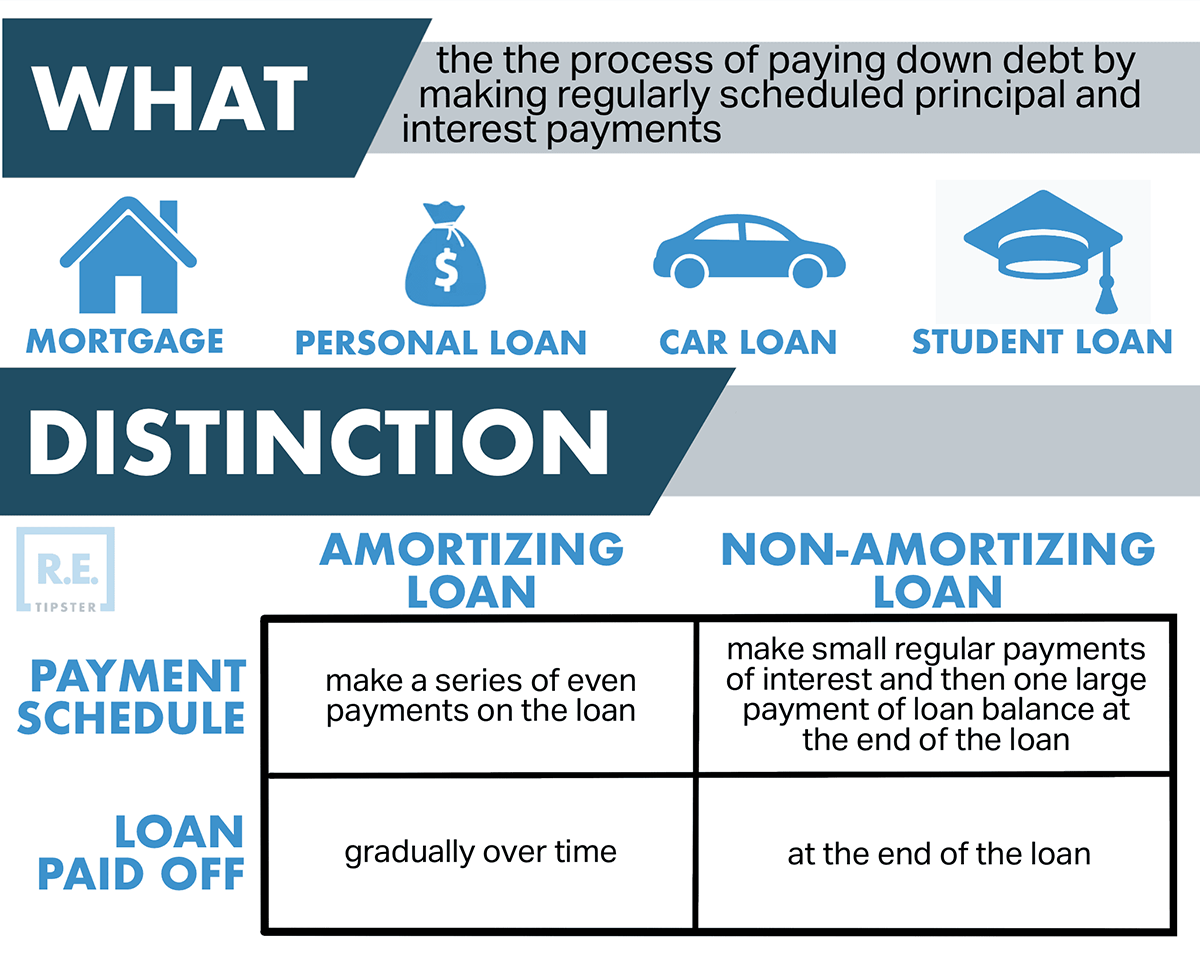
Most Bitcoin lending platforms monitor your LTV ratio continuously. As bitcoin's price moves, your LTV changes even if you haven't made any payments. Rising bitcoin prices improve your LTV (making it safer), while falling prices increase your LTV (moving closer to liquidation thresholds).
What Are the Standard Payment Methods?
Bitcoin-backed loan platforms accept various payment methods to accommodate borrower preferences. The most common option involves making fiat currency payments via bank transfer, wire transfer, or automated clearing house (ACH) transactions directly from your checking account.
Payment methods typically include:
- Bank transfer (ACH): Electronic payments from US bank accounts, usually free but take 2–3 business days
- Wire transfer: Same-day payments with fees ranging from $15–$30 per transaction
- Stablecoin payments: USDC or USDT transfers for faster settlement and lower fees
- Bitcoin payments: Some platforms allow partial bitcoin collateral release to cover payments
- Automatic debit: Scheduled withdrawals from linked bank accounts for recurring payments
Platforms like Rhino Bitcoin integrate multiple payment options, allowing borrowers to choose methods that align with their cash flow and preferences. The key advantage of fiat payments is preserving your full bitcoin collateral exposure while servicing debt obligations.
Timing and Payment Schedules
Payment timing varies by platform and loan structure. Interest-only loans typically require monthly payments, though some lenders offer quarterly or annual payment options. The flexibility depends on your creditworthiness and loan terms.
Many platforms allow early repayment without penalties. This feature proves valuable when bitcoin prices surge, as you can repay the loan and reclaim appreciating collateral. Some borrowers strategically repay during bull markets and reborrow during bear markets to optimize their position.
Can You Add Collateral Instead of Making Payments?
Adding bitcoin collateral represents an alternative to making cash payments, particularly useful when your LTV ratio approaches dangerous levels. By depositing additional bitcoin, you improve your LTV ratio and reduce liquidation risk without requiring fiat currency outflows.
This strategy makes sense in several scenarios. If bitcoin's price drops significantly and you face a margin call, adding collateral avoids forced liquidation. Some borrowers prefer this approach because it maintains their loan exposure while protecting their position.
Consider these collateral addition strategies:
- Preemptive top-ups: Add collateral before reaching margin call thresholds
- Dollar-cost averaging: Gradually add bitcoin during price dips to smooth entry points
- Strategic rebalancing: Use other bitcoin holdings to support existing loans
- Partial liquidation alternative: Add collateral instead of allowing platform liquidation at unfavorable prices
Most lending platforms make collateral additions straightforward through their mobile apps or web interfaces. The additional bitcoin typically processes within minutes on the Lightning Network or within an hour for on-chain transactions, immediately improving your LTV ratio.
What Happens During Loan Refinancing?
Refinancing a Bitcoin-backed loan involves replacing your existing loan with a new one, typically to secure better terms or adjust your borrowing structure. This option becomes attractive when bitcoin's price has increased significantly, improving your collateral position and enabling more favorable loan terms.
The refinancing process works similarly to traditional loan refinancing. You apply for a new loan against your bitcoin collateral, use proceeds to pay off the original loan, and continue with updated terms. The primary motivations include securing lower interest rates, extending repayment periods, or increasing borrowed amounts without adding collateral.
When refinancing makes sense:
- Improved LTV ratios: Bitcoin price appreciation creates borrowing capacity at better rates
- Rate reductions: Market conditions or improved creditworthiness qualify you for lower rates
- Term extensions: Spread payments over longer periods to reduce monthly obligations
- Consolidation: Combine multiple Bitcoin-backed loans into single facility
Margin Call: A demand from the lender to add collateral or repay part of the loan when your LTV ratio exceeds safe thresholds, typically occurring when bitcoin's price drops significantly.
The refinancing decision requires careful analysis of fees, new interest rates, and market conditions. Some platforms charge origination fees for new loans, which must be weighed against potential savings. According to on-chain data from mempool.space, transaction costs for moving bitcoin collateral between platforms can add $20–$50 in fees during busy network periods (as of December 2024).
How Do Liquidation Scenarios Work?
Liquidation occurs when your LTV ratio exceeds the platform's maximum threshold and you cannot add collateral or make payments quickly enough to restore safe levels. The lender sells enough of your bitcoin collateral to repay the outstanding loan balance, plus any fees and penalties.
Understanding liquidation mechanics helps you avoid this outcome. Most platforms establish multiple LTV thresholds. A maintenance margin might sit at 70% LTV, triggering warnings and margin calls. The liquidation threshold typically falls at 75–80% LTV, though this varies by platform and market conditions.
The Liquidation Process
When liquidation triggers, the platform automatically sells your bitcoin collateral. The process typically happens quickly, often within minutes, to limit the platform's exposure to further price declines. The platform deducts the loan balance, accrued interest, and liquidation fees from the sale proceeds.
If your collateral sale generates excess funds after covering all obligations, the platform returns the difference to you. Conversely, if the collateral proves insufficient, you may owe the shortfall depending on whether the loan is recourse or non-recourse.
- Non-recourse loans: Lender's only remedy is seizing collateral; you owe nothing beyond that
- Recourse loans: You remain liable for any deficiency after collateral liquidation
- Partial liquidations: Some platforms only sell enough bitcoin to restore safe LTV ratios
Avoiding Liquidation
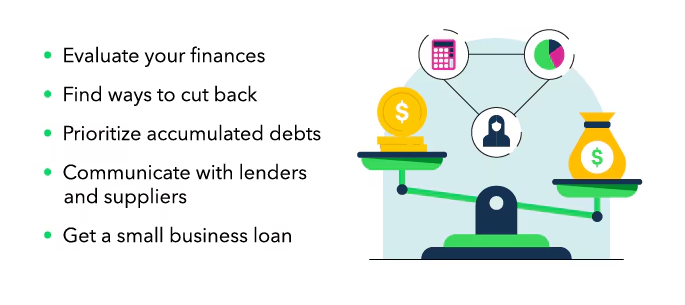
Proactive management prevents liquidation. Set up alerts at multiple LTV levels, perhaps at 50%, 60%, and 65% if your liquidation threshold is 75%. This early warning system gives you time to add collateral or make payments before reaching critical levels.
Some borrowers maintain cash reserves specifically for managing Bitcoin loan positions. Others keep additional bitcoin available to add as collateral during volatility. The most conservative approach involves borrowing at very low initial LTV ratios, such as 30–40%, providing a substantial cushion against price drops.
Tips to Avoid Liquidation
What Are the Tax Implications of Loan Repayment?
Bitcoin-backed loan repayment creates specific tax considerations that differ from both traditional loans and bitcoin sales. The IRS treats bitcoin as property, making each transaction potentially taxable, though borrowing against bitcoin itself is generally not a taxable event.
According to IRS Notice 2014-21, receiving a loan secured by bitcoin does not trigger taxable income because you have a corresponding obligation to repay. However, what happens during and after the loan term carries tax implications.
Repayment Tax Treatment
Making loan payments with fiat currency creates no additional tax liability. You borrowed fiat, you repay fiat, and the transaction mirrors conventional loans for tax purposes. Your bitcoin collateral remains untouched, and no taxable event occurs until you eventually sell or spend that bitcoin.
The situation changes if liquidation occurs:
- Forced liquidation: Treated as bitcoin sale at market price; capital gains tax applies
- Voluntary collateral sale: Also triggers capital gains calculation based on original cost basis
- Short-term vs. long-term: Holding period determines tax rate (under 1 year = ordinary income rates; over 1 year = preferential long-term rates)
Cost Basis: The original purchase price of your bitcoin plus associated fees, used to calculate capital gains when sold. If you bought bitcoin at $20,000 and it's liquidated at $40,000, your taxable gain is $20,000.
Strategic borrowers consider these tax implications when deciding between repaying loans or allowing liquidation. If you purchased bitcoin at very low prices, liquidation could trigger substantial capital gains taxes, potentially 15–20% federally plus state taxes. In such cases, making fiat payments to preserve low-basis bitcoin makes sense from a tax perspective.
Record-Keeping Requirements
The IRS requires detailed records of cryptocurrency transactions. For Bitcoin-backed loans, maintain documentation of original bitcoin purchase dates and prices (establishing cost basis), loan origination terms and amounts, collateral deposit transactions, payment history, and any liquidation events with dates and proceeds.
Many Bitcoin platforms provide tax reporting assistance, generating forms that summarize your activity. However, you remain responsible for accurate reporting. Consider consulting a tax professional familiar with cryptocurrency taxation, especially for complex situations involving multiple loans or substantial amounts.
What Strategies Optimize Repayment Outcomes?
Strategic loan management maximizes the benefits of Bitcoin-backed borrowing while minimizing risks and costs. The optimal approach depends on your financial situation, bitcoin conviction, and market outlook.
Conservative Management Strategy
Conservative borrowers maintain low LTV ratios, typically below 40%, providing substantial cushion against bitcoin price volatility. This approach sacrifices some borrowing capacity for peace of mind and dramatically reduced liquidation risk.
Key elements include:
- Set automatic payments to ensure timely interest coverage
- Maintain cash reserves equal to 3–6 months of loan payments
- Add collateral proactively when LTV approaches 50%
- Consider partial repayments during bitcoin bull markets
Aggressive Growth Strategy
Aggressive borrowers maximize leverage, borrowing at higher LTV ratios (60–70%) to maintain maximum bitcoin exposure. This strategy amplifies returns during bull markets but requires active management and risk tolerance.
This approach involves closely monitoring LTV ratios daily, keeping additional bitcoin readily available as collateral, preparing to add collateral within hours during volatility, and accepting liquidation as a possibility while managing total exposure accordingly.
Tax-Optimized Strategy
Tax-conscious borrowers structure repayment to minimize taxable events. If you hold low-cost-basis bitcoin, prioritize fiat repayments to avoid triggering capital gains. Consider refinancing rather than liquidating when possible, and time any necessary liquidations to occur in low-income years or to harvest tax losses elsewhere in your portfolio.
Some investors use Bitcoin loans as permanent financing, continuously refinancing and never fully repaying. This strategy works if you believe bitcoin will appreciate long-term and you can sustainably cover interest payments. However, it requires discipline and stable cash flows to maintain.
Frequently Asked Questions
Can I repay my Bitcoin loan early without penalties?
Most Bitcoin-backed loan platforms allow early repayment without prepayment penalties, though you should verify this in your specific loan agreement. Early repayment proves advantageous when bitcoin prices rise significantly and you want to reclaim appreciating collateral.
What happens if I miss a payment on my Bitcoin loan?
Missing payments typically triggers late fees and may accelerate margin call timelines. If you cannot cure the default quickly, the platform may liquidate your collateral to recover the outstanding balance, even if your LTV ratio is below normal liquidation thresholds.
Can I make partial payments to reduce my LTV ratio?
Yes, partial principal payments reduce your loan balance and immediately improve your LTV ratio without requiring additional collateral. This strategy proves useful when you have cash available but want to avoid fully repaying the loan.
Do interest rates change during my loan term?
This depends on your loan type. Fixed-rate loans maintain consistent interest rates throughout the term, while variable-rate loans adjust based on market conditions or benchmark rates, potentially increasing your payment obligations over time.
Can I withdraw some collateral if my LTV improves?
Many platforms allow partial collateral withdrawal when your LTV ratio improves due to bitcoin price appreciation. If you borrowed at 50% LTV and bitcoin doubles, your LTV drops to 25%, potentially allowing you to withdraw some bitcoin while maintaining safe collateral levels.
How quickly do collateral additions improve my LTV?
Collateral additions via Lightning Network process within minutes, immediately improving your LTV ratio. On-chain bitcoin transfers typically require 1–3 confirmations (10–30 minutes) before reflecting in your account, depending on platform policies.
What is the typical liquidation fee charged by platforms?
Liquidation fees vary by platform but typically range from 2–5% of the liquidated collateral value. These fees compensate the lender for the administrative costs and market risk of selling your bitcoin, reducing the net proceeds available to cover your loan.
Can I transfer my Bitcoin loan to another platform?
Direct loan transfers between platforms are generally not possible. However, you can effectively move a loan by refinancing with a new lender, using those proceeds to pay off the original loan, and transferring your collateral to the new platform.
Are Bitcoin loan payments reported to credit bureaus?
Most Bitcoin-backed lenders do not report to traditional credit bureaus because these loans require no credit checks and are fully collateralized. This means on-time payments typically will not improve your credit score, though defaults also will not harm it.
Conclusion
Bitcoin loan repayment options provide flexibility for borrowers to manage their debt strategically while maintaining exposure to bitcoin's potential appreciation. The optimal approach depends on your financial situation, risk tolerance, and market outlook, with methods ranging from conservative fiat payments to aggressive leverage management.
Key considerations include:
- Monitor LTV ratios continuously to avoid margin calls and liquidation
- Understand tax implications before allowing liquidation of low-cost-basis bitcoin
- Maintain cash reserves or additional bitcoin for collateral management during volatility
- Consider refinancing when bitcoin appreciation improves your borrowing position
For those managing Bitcoin-backed loans and seeking comprehensive tools for collateral monitoring, payments, and refinancing, explore Rhino Bitcoin's integrated lending platform designed for strategic bitcoin borrowers.
References
- Internal Revenue Service. "IRS Notice 2014-21: Virtual Currency Guidance." https://www.irs.gov/pub/irs-drop/n-14-21.pdf
- Bitcoin.org. "Bitcoin Developer Documentation: Transaction Fees." https://bitcoin.org/en/developer-guide
- Mempool.space. "Bitcoin Network Statistics and Fee Estimates." https://mempool.space
- Lightning Network. "Lightning Network Protocol Specifications." https://lightning.network
- Financial Crimes Enforcement Network. "Application of FinCEN's Regulations to Certain Business Models Involving Convertible Virtual Currencies." https://www.fincen.gov
Important Disclaimers
Disclaimer: Educational information only. Not financial, legal, medical, or tax advice.
Risk Warnings: All investments carry risk, including loss of principal. Past performance is not indicative of future results. Bitcoin is a volatile asset and may not be suitable for all investors.
Conflicts of Interest: Rhino Bitcoin provides Bitcoin financial services. This content is educational and may reference our products.
.png)
.png)