
Bitcoin Dead Man's Switch Guide: Secure Bitcoin Banking Inheritance Planning
Bitcoin dead man's switches automate inheritance, ensuring your bitcoin is safely passed to beneficiaries if you can't check in.

Buy Bitcoin with Zero Fees with Rhino
The most secure way to stack sats. Simple, fast, and zero trading fees.
A Bitcoin dead man’s switch is a security mechanism that automatically transfers or reveals access to your bitcoin holdings if you fail to check in within a specified timeframe.
This inheritance planning tool helps ensure your bitcoin does not become permanently inaccessible if something happens to you.
Key Summary: Bitcoin dead man’s switches automate inheritance by requiring periodic check-ins. If you fail to respond, the system triggers predefined actions such as releasing private keys or transferring bitcoin to designated beneficiaries.
Key Takeaways:
- Dead man’s switches help prevent permanent bitcoin loss if holders become incapacitated or pass away
- Solutions range from custodial services to self-hosted, time-locked transactions
- Each approach involves trade-offs between security, privacy, and ease of use
- Proper setup requires balancing automation with safeguards against accidental activation
Why Bitcoin Inheritance Planning Matters
Bitcoin’s self-custody model creates a unique challenge. No one can access your bitcoin without your private keys.
Unlike traditional assets, courts and institutions cannot recover bitcoin for heirs. If private keys are lost, the funds are lost forever.
An estimated 3–4 million bitcoin—roughly 20% of the total supply—may already be lost due to misplaced keys or deceased holders without succession plans. For a deeper look at Bitcoin security fundamentals, see our complete Bitcoin security guide.
Dead man’s switches address this issue by creating automated fallback mechanisms.
Instead of relying on family members to locate a seed phrase or understand complex recovery steps, these systems activate predefined actions when you are no longer able to respond.
The core idea is simple. You prove you are alive and in control by checking in at regular intervals.
If you fail to check in, the system starts a countdown. If you still do not respond, it executes your predetermined instructions.
How Do Bitcoin Dead Man’s Switches Work?
Bitcoin dead man’s switches operate using a proof-of-life model. They require periodic confirmation that you still control your bitcoin.
The system monitors your activity and begins a predefined process if you fail to respond within set timeframes.
Most implementations follow this general flow:
- Initial setup: You define check-in frequency, grace periods, and beneficiary instructions
- Regular check-ins: You confirm control through app logins, signed messages, or transactions
- First alert: A missed check-in triggers warnings via email, SMS, or push notifications
- Grace period: You receive additional time to respond before further escalation
- Final countdown: After the grace period ends, the system prepares to execute instructions
- Activation: Private keys are released, transactions are broadcast, or other actions occur
Time-lock: A Bitcoin script feature that prevents spending until a specific block height or timestamp. Time-locks allow automated, trustless transfers without relying on third-party custodians.
Time-Lock Makes an Output Spendable Only After a Specific Block Height
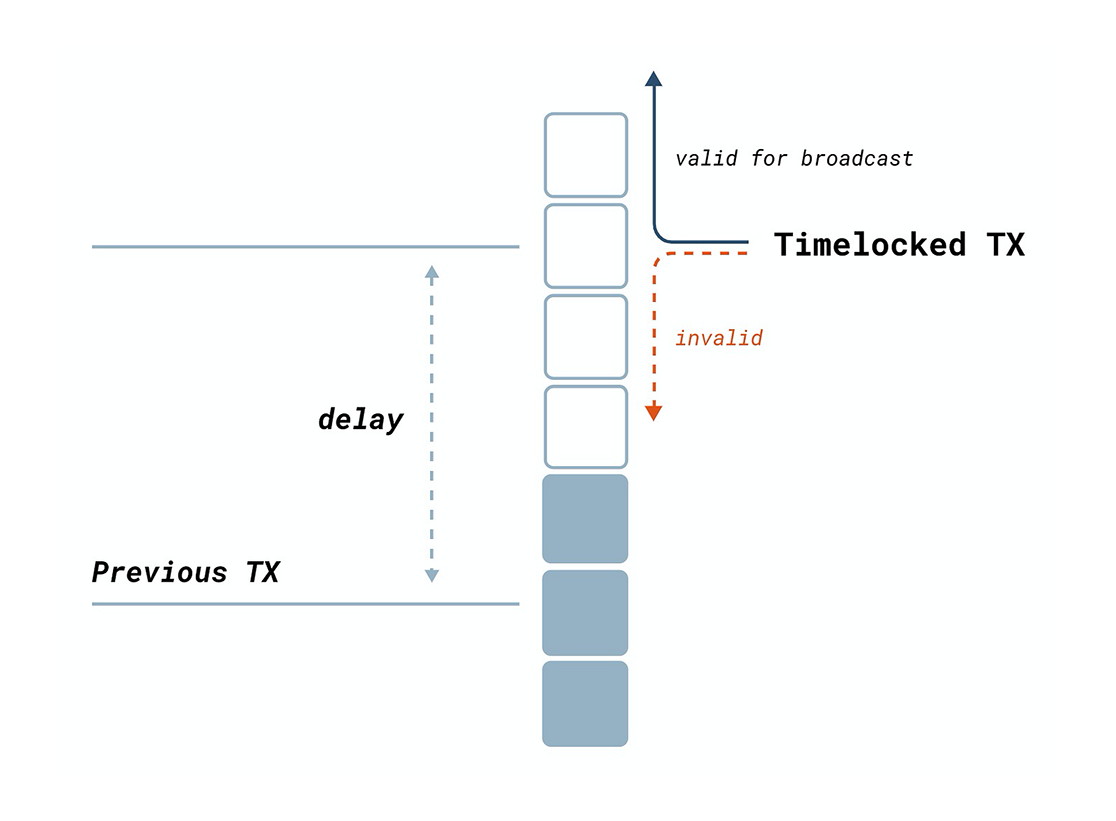
The technical setup varies depending on the approach used. Some rely on custodial services, while others use self-hosted software or on-chain mechanisms such as time-locked transactions.
What Are the Main Types of Dead Man’s Switches?
Bitcoin dead man’s switches generally fall into three main categories.
Each category uses a different security model and requires a different level of technical involvement. Your choice depends on your experience, trust preferences, and desired automation level.
Custodial Service Solutions
Custodial platforms handle the entire dead man’s switch process for you.
These services store encrypted copies of private keys or recovery data. When trigger conditions are met, the information is released to designated beneficiaries.
- Pros: Easy to use, minimal technical knowledge required, and added features like document storage
- Cons: Requires trusting a third party, potential privacy concerns, and ongoing subscription fees
- Best for: Non-technical users who value convenience over maximum control
Self-Hosted Time-Lock Systems
With self-hosted systems, you run your own dead man’s switch using software and hardware you control.
These setups use Bitcoin’s native time-lock features or custom monitoring scripts to automate inheritance without third-party involvement.
- Pros: No third-party trust, strong privacy, and no recurring fees
- Cons: Higher technical requirements, ongoing maintenance, and more complex setup
- Best for: Technical users comfortable managing their own infrastructure
Hybrid Multi-Signature Approaches
Hybrid approaches use multi-signature wallets with multiple parties involved.
The dead man’s switch controls one key. After the trigger period, beneficiaries gain access to enough keys to meet the signing threshold.
- Pros: Distributed trust, no single point of failure, and flexible recovery options
- Cons: Complex setup, coordination between parties, and potential confusion
- Best for: Large bitcoin holdings requiring institutional-grade security
Understanding multi-signature wallet setups is important before implementing a hybrid approach.
What Are Time-Locked Bitcoin Transactions?
Time-locked transactions use Bitcoin’s scripting features to create trustless dead man’s switches.
These mechanisms enforce time-based spending rules directly on the blockchain, without relying on third parties.
Bitcoin supports two main time-lock methods.
CheckLockTimeVerify (CLTV) blocks spending until a specific block height or timestamp.
CheckSequenceVerify (CSV) enforces a relative delay based on when a transaction is confirmed.
Pre-Signed Bitcoin Transaction (PSBT): A standardized format for creating and sharing incomplete Bitcoin transactions. PSBTs are commonly used in multi-signature wallets and time-locked inheritance solutions.
A MultiSignature Transaction Requires Signatures from Multiple Parties Before Broadcasting
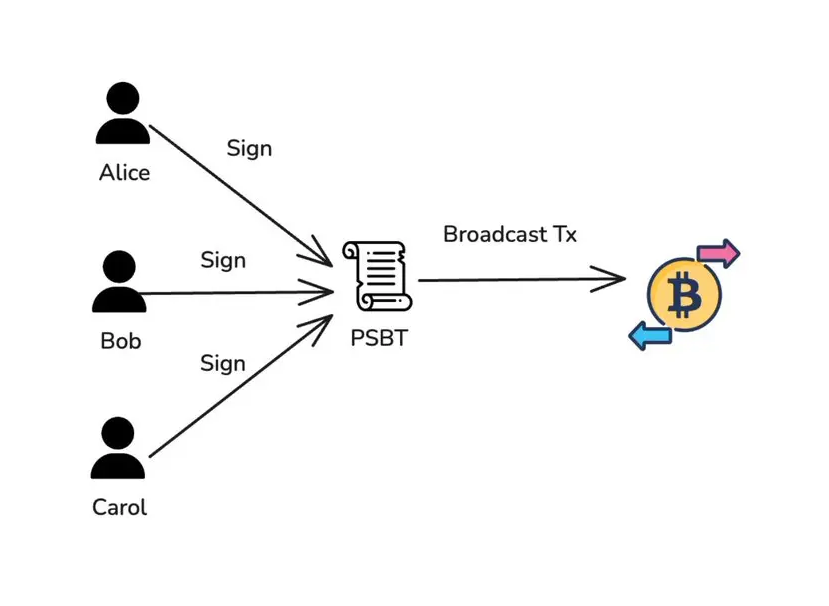
A typical setup involves creating a transaction that sends bitcoin to a beneficiary but includes a time-lock.
You periodically create new transactions with updated time-locks. Each new transaction invalidates the previous one by spending the same inputs.
If you stop updating these transactions, the most recent one eventually becomes valid. At that point, the beneficiary can broadcast it and claim the funds.
This approach does not require third parties or ongoing services, making it one of the most trustless options available.
However, time-locked transactions require discipline. You must remember to refresh them before they expire.
You also need to securely deliver updated transactions and ensure beneficiaries know how to broadcast them when needed.
How Do You Choose the Right Solution?
Choosing the right dead man’s switch depends on your technical ability, trust preferences, and wallet complexity.
The best solution balances security, usability, and reliability for your situation.
Consider the following factors:
- Technical expertise: Can you manage time-locked transactions, or do you need a managed service?
- Trust model: Are you comfortable with third parties holding encrypted data?
- Holdings complexity: Do you use single wallets, hardware wallets, or multi-signature setups?
- Beneficiary skills: Can your heirs broadcast transactions, or do they need simple instructions?
- Check-in burden: How often can you realistically perform maintenance?
For many users, custodial services provide a good balance of usability and security.
More technical users with significant holdings may prefer self-hosted or time-locked solutions.
High-net-worth individuals often benefit from hybrid multi-signature setups that distribute risk.
Bitcoin-only platforms like Rhino Bitcoin offer self-custody solutions with multi-signature security. These options maintain user control while remaining accessible for beneficiaries.
What Are Common Implementation Mistakes?
Even well-designed dead man’s switches can fail.
Common causes include configuration errors, lack of testing, or poor communication with beneficiaries.
Insufficient Grace Periods
Overly aggressive check-in schedules increase the risk of accidental activation.
A two-week check-in requirement means a short vacation or hospital stay could trigger the system.
Most experts recommend check-ins every 3–6 months, with grace periods of 30–60 days. This balance allows time to respond while still enabling timely activation if needed.
Single Point of Notification Failure
Relying on one notification method creates unnecessary risk.
An email lockout or lost phone could prevent you from receiving alerts, leading to unintended activation.
Use multiple notification channels. Include backup email addresses, SMS alerts, and push notifications on multiple devices. Test them regularly.
Inadequate Beneficiary Documentation
Beneficiaries cannot execute plans they do not understand.
Unclear instructions, missing information, or overly technical explanations can prevent heirs from accessing funds—even after activation.
Create clear, step-by-step instructions that assume no technical background.
Store them with estate documents and review them periodically with beneficiaries. For more guidance, see our article on seed phrase security.
How Do You Test Your Dead Man’s Switch?
Regular testing helps ensure your inheritance plan works when it matters.
Systems that work on paper often fail due to outdated credentials or misconfigured settings.
Recommended testing steps include:
- Quarterly notification tests: Confirm all alerts are received
- Annual beneficiary reviews: Verify contact details and understanding
- Simulated activations: Test the process with small amounts when possible
- Documentation checks: Ensure instructions are clear and accessible
- Recovery phrase validation: Confirm backups remain intact and readable
For custodial services, review your account yearly. Make sure the provider is still operating, your subscription is active, and beneficiary details are correct.
Self-hosted systems need more frequent checks. Confirm scripts are running, time-locks have not expired, and inputs have not been accidentally spent.
What Legal and Tax Considerations Apply?
Bitcoin inheritance involves legal and tax issues that vary by jurisdiction.
Dead man’s switches automate transfers but do not eliminate legal obligations.
In the United States, bitcoin is treated as property under IRS Notice 2014-21. Inherited bitcoin receives a step-up in basis to fair market value at the date of death.
This can reduce capital gains tax for beneficiaries.
However, estates may still owe estate taxes if total assets exceed exemption thresholds. For 2024, the exemption is $13.61 million, though this amount can change.
Automated transfers may also complicate probate. Some jurisdictions could treat immediate transfers as gifts rather than inheritance.
Consult an estate planning attorney familiar with digital assets before implementing automated inheritance tools.
Including dead man’s switch details in your will or trust can help clarify intent and reduce disputes.
For tax-advantaged holdings, review Bitcoin IRA inheritance rules, as retirement accounts follow different regulations.
Frequently Asked Questions
What happens if I accidentally trigger my dead man’s switch?
Most systems include grace periods and multiple warnings.
You usually have 30–60 days after missing a check-in to cancel activation before irreversible actions occur.
Can I change beneficiaries after setting up a dead man’s switch?
Yes. Custodial services allow updates at any time.
Self-hosted solutions require creating new time-locked transactions and securely destroying old ones.
How often should I check in?
Check-ins every three to six months with a 30–60 day grace period offer a good balance.
Shorter intervals increase risk. Longer intervals delay activation.
What if my beneficiary loses the instructions?
Store instructions in multiple secure locations.
These may include your will, a trusted attorney, and a safe deposit box.
Are dead man’s switches compatible with hardware wallets?
Yes. Compatibility depends on the approach used.
Time-locked transactions work with any Bitcoin wallet, including hardware devices.
Can multiple beneficiaries receive different amounts?
Custodial services often support complex distribution rules.
Time-locked transactions can send funds to multiple addresses with fixed amounts.
What if the service provider goes out of business?
This is a risk with custodial solutions.
Choose providers with long operating histories and documented contingency plans.
Do dead man’s switches work with Lightning Network bitcoin?
Lightning channels require active management and are not well suited for traditional dead man’s switches.
Most inheritance solutions focus on on-chain bitcoin. Understanding Bitcoin wallet vs Lightning wallet differences can help guide decisions.
Can I set up a switch without giving access now?
Yes. Time-locked and encrypted solutions prevent access until trigger conditions are met.
Multi-signature wallets also prevent single-party access.
What is the biggest risk in Bitcoin inheritance planning?
Doing nothing.
Delaying planning often results in permanently inaccessible bitcoin. Any solution is better than none.
Conclusion
Bitcoin dead man’s switches provide essential automation for inheritance planning.
They help ensure bitcoin is not permanently lost if you become incapacitated or pass away.
The right solution depends on your technical ability, trust preferences, and holdings structure.
Key considerations include:
- Choosing reasonable check-in intervals
- Using multiple notification channels
- Creating clear beneficiary instructions
- Testing systems regularly
- Coordinating with legal and tax professionals
For users seeking comprehensive Bitcoin security and inheritance planning, explore Rhino Bitcoin’s multi-signature security features. These tools protect bitcoin today while ensuring access for beneficiaries in the future.
References
- Bitcoin.org. Bitcoin Developer Guide – Time Locks. https://bitcoin.org
- Internal Revenue Service. IRS Notice 2014-21: Virtual Currency Guidance. https://www.irs.gov
- Chainalysis. The 2023 Geography of Cryptocurrency Report. https://www.chainalysis.com
- Bitcoin Optech. CheckLockTimeVerify and CheckSequenceVerify. https://bitcoinops.org
- U.S. Securities and Exchange Commission. Digital Asset Securities. https://www.sec.gov
Important Disclaimers
Disclaimer: Educational information only. Not financial, legal, medical, or tax advice.
Risk Warnings: All investments carry risk, including loss of principal. Past performance does not guarantee future results.
Conflicts of Interest: Rhino Bitcoin provides Bitcoin financial services. This content is educational and may reference our products.
.png)
.png)