
Bitcoin Banking Security Vs Traditional Banking: Complete Comparison Guide
Explore Bitcoin vs traditional banking security, from self-custody, cryptographic protection, FDIC insurance, risks, and trade-offs to help you choose the right model.
Buy Bitcoin with Zero Fees with Rhino
The most secure way to stack sats. Simple, fast, and zero trading fees.
Bitcoin banking security differs in important ways from traditional banking. The differences come down to custody models, regulation, and risk.
Traditional banks hold customer funds directly. They rely on government oversight and FDIC insurance to protect deposits. Bitcoin banking, by contrast, focuses on self-custody, cryptographic security, and decentralized verification.
Key Summary: Bitcoin banking relies on cryptographic security and self-custody, while traditional banks depend on FDIC insurance and centralized fraud protection. Each approach involves different security trade-offs that users must evaluate.
Key Takeaways
- Traditional banks use centralized systems with FDIC insurance covering up to $250,000 per depositor
- Bitcoin banking emphasizes cryptographic security and user-controlled private keys
- In self-custody models, security responsibility shifts from institutions to individuals
- Both systems face unique vulnerabilities that require different protections
What Are the Core Security Models?
Traditional Custodial Banking
Traditional banking uses a custodial security model. Financial institutions hold and manage customer assets on their behalf.
Banks rely on centralized databases, layered access controls, and strict regulatory compliance. These measures are designed to protect deposits from fraud and failure.
The Federal Deposit Insurance Corporation (FDIC) insures deposits up to $250,000 per depositor per institution. This insurance provides a government-backed safety net if a bank fails.
Bitcoin Self-Custody and Hybrid Models
Bitcoin banking introduces a self-custody alternative. In this model, users control their own private keys.
This cryptographic approach removes the need to trust third-party institutions. However, it also shifts security responsibility to the individual user.
Some platforms, such as Rhino Bitcoin, combine both approaches. They offer self-custody options alongside managed services with institutional-grade security.
Self-Custody: A security model where users maintain exclusive control over their private keys. No trusted third party can hold or access funds.
Learn more about Bitcoin security
Trust Assumptions Explained
The core difference between these systems is trust.
Traditional banking requires trust in institutions and government-backed insurance. Bitcoin self-custody requires trust in mathematics, cryptography, and personal security practices.
For a deeper look at Bitcoin banking alternatives, see our complete guide to Bitcoin self-custody banking.
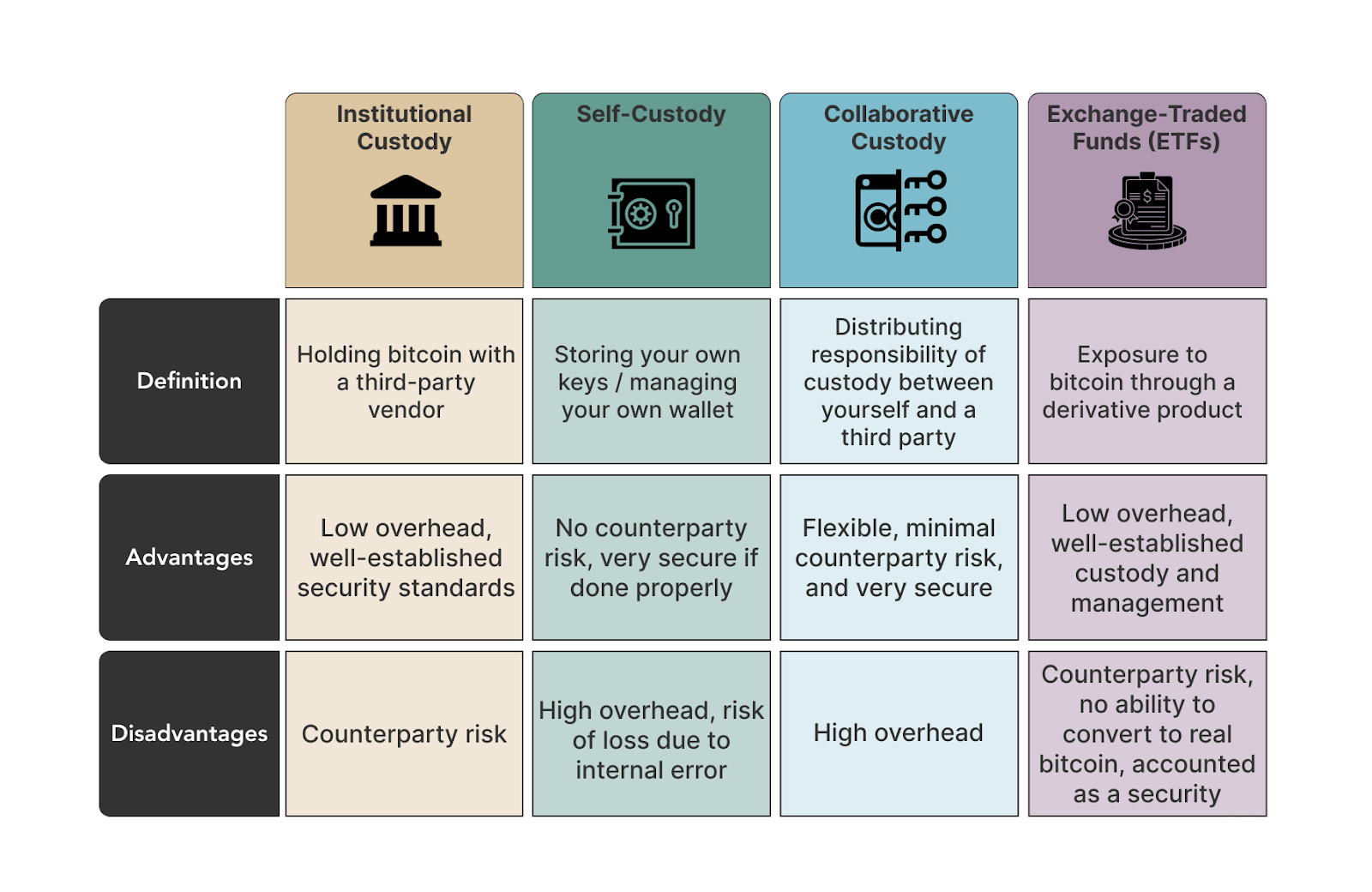
Custody Options for Bitcoin
How Does Traditional Banking Security Work?
Traditional banks use multiple layers of security to protect customer funds.
These institutions rely on centralized servers with redundant backups. They also maintain physical security at branch locations. Advanced fraud detection systems monitor transactions in real time.
Common Bank Security Measures
Bank security infrastructure typically includes:
- Account authentication: Usernames, passwords, and two-factor authentication
- Fraud monitoring: AI-driven systems that detect unusual activity
- Regulatory oversight: Regular audits by federal and state regulators
- FDIC insurance: Government-backed coverage up to $250,000 per depositor
- Chargeback protection: The ability to reverse fraudulent transactions within set timeframes
Regulatory Safeguards and Limitations
FDIC regulations require banks to maintain specific capital ratios. Institutions must also undergo regular stress tests.
These rules create a standardized security baseline across the banking industry. However, centralized systems still create single points of failure. They remain vulnerable to internal fraud, data breaches, and systemic crises.
Traditional banks also operate under fractional reserve banking. Most institutions keep only about 10% of deposits as reserves and lend out the rest.
During bank runs or financial crises, this structure can create liquidity problems. These risks exist even with FDIC insurance in place.
How Does Bitcoin Banking Security Work?
Bitcoin banking security is built on cryptography and decentralized verification. It does not rely on centralized institutions.
The Bitcoin network uses 256-bit encryption and a proof-of-work consensus system. Transactions are validated without trusted intermediaries.
Core Bitcoin Security Mechanisms
Bitcoin security relies on several key components:
- Private key control: Only private key holders can authorize transactions
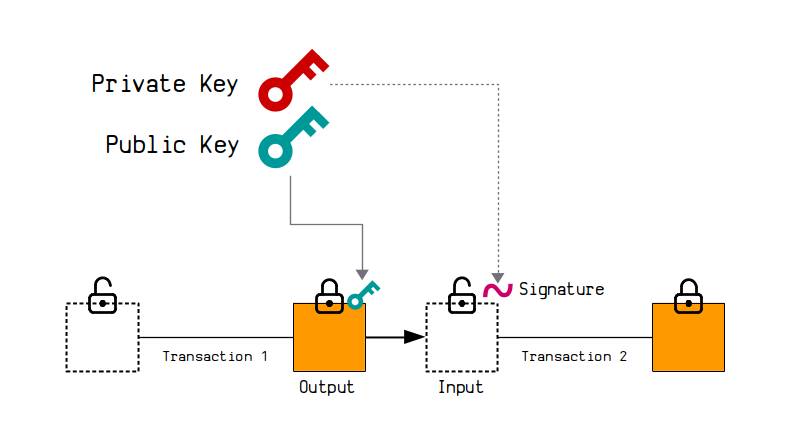
- Public-key cryptography: A mathematical relationship secures transfers
- Network verification: Thousands of independent nodes validate transactions
- Blockchain immutability: Confirmed transactions are extremely difficult to reverse
- Multi-signature options: Multiple keys can be required to approve transactions
Public-Key Cryptography Secures Transactions in the Bitcoin Network
Network Resilience
The Bitcoin network has operated continuously since 2009. Its core protocol has never been successfully compromised.
According to on-chain data from mempool.space, the network processes hundreds of thousands of transactions daily. Security is verified by thousands of nodes worldwide.
Additional Platform-Level Security
Bitcoin banking platforms often add extra layers of protection.
Many use multi-signature wallets that require multiple approvals. Hardware security modules store private keys in tamper-resistant devices. Cold storage keeps most funds offline and isolated from internet-connected systems.
Understanding Bitcoin wallet security and privacy is critical for users managing their own keys. This responsibility shift offers financial sovereignty but requires strong security knowledge.
What Are the Key Security Vulnerabilities?
Each banking model faces different security risks. These vulnerabilities require different strategies to manage.
Traditional banking risks stem from centralization and institutional reliance. Bitcoin risks focus on key management and user behavior.
Traditional Banking Vulnerabilities
Centralized systems concentrate risk within single institutions. These systems face both external attacks and internal failures.
Data breaches can expose sensitive customer information. Insider fraud can occur when employees abuse access privileges. Systemic banking crises can threaten institutions despite regulation.
Key vulnerabilities include:
- Data breaches: Centralized databases attract hackers
- Insider threats: Employees may misuse system access
- Account freezes: Institutions can restrict access to funds
- Identity theft: Stolen personal data enables fraud
- Systemic risk: Interconnected banks can amplify failures
Bitcoin Banking Vulnerabilities
Bitcoin security challenges revolve around private key management.
Lost private keys result in permanently inaccessible funds. There is no recovery process. Phishing attacks often trick users into revealing seed phrases or sending funds to fraudulent addresses.
Common risks include:
- Private key loss: No password reset exists
- Phishing attacks: Fake websites and messages steal credentials
- Exchange hacks: Custodial platforms remain targets
- Malware: Keyloggers and clipboard hijackers can intercept data
- Physical threats: Coercion attacks target known Bitcoin holders
Bitcoin transactions are irreversible. Once confirmed on the blockchain, they cannot be reversed without the recipient’s cooperation. This prevents payment fraud but offers no recourse for user mistakes.
Bitcoin vs Traditional Banking: Security Comparison
Comparing these systems requires looking at custody, insurance, regulation, and user responsibility. Each approach prioritizes different security goals.
Custody and Control
Traditional Banking:
Banks hold customer funds in centralized accounts. Users authenticate access but do not directly control assets. Institutions can freeze accounts or reverse transactions.
Bitcoin Banking:
Self-custody gives users full control through private keys. No third party can freeze funds. Users must secure and back up their keys. Custodial services offer convenience but reintroduce counterparty risk.
Insurance and Loss Protection
Traditional Banking:
FDIC insurance covers up to $250,000 per depositor per institution. Additional protections include fraud liability limits and chargebacks.
Bitcoin Banking:
No government insurance exists. Lost keys mean permanent loss. Some custodial platforms carry private insurance, but coverage varies widely.
Regulatory Oversight
Traditional Banking:
Banks undergo regular examinations. Regulations enforce capital requirements and consumer protections. These rules also enable account monitoring and restrictions.
Bitcoin Banking:
The Bitcoin protocol has no central oversight. Exchanges and custodians face growing regulation, but self-custody operates outside traditional frameworks.
Transaction Reversibility
Traditional Banking:
Banks can reverse transactions using chargebacks or fraud investigations. ACH transfers typically take one to three business days.
Bitcoin Banking:
Bitcoin transactions are effectively irreversible. Platforms like Rhino Bitcoin use the Lightning Network for instant payments while preserving finality. Understanding Bitcoin block confirmations helps users evaluate transaction security.
Which Security Model Is More Secure?
No model is universally superior. Each serves different priorities and threat models.
Traditional banking works best for users who value:
- Deposit insurance: Protection against bank failure
- Fraud recovery: Chargebacks and dispute resolution
- Institutional accountability: Legal and regulatory oversight
- Convenience: Password resets and customer support
Bitcoin banking offers advantages such as:
- Censorship resistance: No third-party fund freezes
- Cryptographic security: Strong encryption safeguards
- Financial sovereignty: Direct ownership without intermediaries
- Transparency: Publicly verifiable transactions
The real question is trust. Do you trust institutions and guarantees more than personal key management and cryptography?
Both systems fail in different ways. Banks fail during crises despite insurance. Users lose bitcoin through poor security practices despite strong protocol design.
Many people choose a hybrid approach. They keep traditional bank accounts for insured savings and hold bitcoin for long-term storage or global payments. This spreads risk across models.
How to Maximize Security in Bitcoin Banking
Bitcoin users can layer security measures based on experience and holding size.
Essential Security Practices
- Hardware wallets: Keep keys off internet-connected devices
- Seed phrase backups: Store recovery phrases securely in multiple locations
- Software updates: Patch vulnerabilities promptly
- Verify addresses: Double-check recipients before sending
- Test transactions: Send small amounts first
- Use reputable services: Research platforms carefully
Advanced Security Measures
Larger holdings benefit from additional safeguards.
Multi-signature wallets require multiple approvals. Time-locked transactions delay spending and allow detection of unauthorized access.
Cold storage keeps most funds fully offline. Only small balances remain in hot wallets. This mirrors how banks separate vault reserves from teller cash.
Some platforms offer professional multi-signature custody. These require both user and platform signatures, preventing unilateral fund access.
What About Lightning Network Security?
The Lightning Network adds new security considerations along with instant, low-fee payments.
This Layer 2 system processes transactions off-chain using payment channels. Final settlement occurs on the Bitcoin blockchain.
Lightning-Specific Risks
Lightning channels require online monitoring. Counterparties could attempt to publish outdated channel states. Users must manage liquidity to receive payments.
Security continues to improve. Watchtower services monitor channels for offline users. Atomic multi-path payments split large transfers.
Understanding how Lightning nodes work helps users evaluate these trade-offs.
For most users, Lightning-enabled platforms handle technical details behind simple interfaces.
Regulatory Considerations and Compliance
Security also depends on regulation.
Traditional banks follow strict rules, including the Bank Secrecy Act, KYC requirements, and Suspicious Activity Reports. These measures increase oversight but reduce privacy.
Bitcoin exchanges and custodians face growing regulation. FinCEN classifies many crypto businesses as money services businesses. These platforms must implement anti-money laundering programs.
Self-custody users generally fall outside these frameworks. However, tax obligations still apply. The IRS treats bitcoin as property, requiring capital gains reporting.
Regulations continue to evolve by jurisdiction. Users should stay informed and maintain accurate records.
Frequently Asked Questions
Is Bitcoin banking safer than traditional banking?
Neither is universally safer. Traditional banking emphasizes insurance and fraud protection. Bitcoin emphasizes cryptographic security and censorship resistance.
Can I lose my bitcoin if I forget my password?
Yes. Lost private keys or seed phrases mean permanent loss. There is no recovery process.
What happens if a Bitcoin exchange gets hacked?
Custodial exchange hacks can result in total loss. Most exchanges lack deposit insurance.
Does FDIC insurance cover Bitcoin held at banks?
No. FDIC insurance only covers traditional currency deposits.
How do I protect my Bitcoin from theft?
Use hardware wallets, back up seed phrases securely, verify addresses, and consider multi-signature wallets.
Can banks freeze my Bitcoin?
Banks cannot freeze self-custodied bitcoin. Custodial platforms can restrict access.
What security does Lightning Network provide?
Lightning inherits Bitcoin’s cryptographic security with added channel protections. Watchtowers and penalty mechanisms deter fraud.
Should I keep Bitcoin on an exchange or in self-custody?
Self-custody offers maximum control but requires careful management. Exchanges offer convenience but add counterparty risk.
How is Bitcoin more secure than traditional banking?
Bitcoin relies on cryptographic proof rather than institutional trust. Users, however, bear full responsibility.
What insurance protects Bitcoin holdings?
No federal insurance exists. Some platforms carry limited private insurance.
Conclusion
Bitcoin banking and traditional banking take fundamentally different approaches to security.
Traditional banks offer insurance, oversight, and fraud protection but rely on centralized control. Bitcoin provides cryptographic security and sovereignty but requires personal responsibility.
Neither model removes all risk. The right choice depends on priorities, experience, and use case.
Key considerations include:
- Comfort managing private keys versus trusting institutions
- Preference for insurance or cryptographic guarantees
- Need for reversibility versus finality
- Importance of censorship resistance
For those interested in Bitcoin banking with institutional-grade security and self-custody options, explore Rhino Bitcoin's comprehensive platform combining Lightning payments, Bitcoin-backed loans, and multi-signature protection.
References
- Federal Deposit Insurance Corporation. “Deposit Insurance FAQs.”
https://www.fdic.gov/resources/deposit-insurance/ - Bitcoin.org. “Secure Your Wallet.”
https://bitcoin.org/en/secure-your-wallet - Financial Crimes Enforcement Network. “Application of FinCEN's Regulations to Certain Business Models Involving Convertible Virtual Currencies.”
https://www.fincen.gov/resources/statutes-regulations/guidance/application-fincens-regulations-certain-business-models - Internal Revenue Service. “IRS Notice 2014-21: Virtual Currency Guidance.”
https://www.irs.gov/pub/irs-drop/n-14-21.pdf - Lightning Network. “Lightning Network Protocol Documentation.”
https://lightning.network/
Important Disclaimers
Disclaimer: Educational information only. Not financial, legal, medical, or tax advice.
Risk Warnings: All investments carry risk, including loss of principal. Past performance does not predict future results. Bitcoin is volatile and may not suit all investors.
Conflicts of Interest: Rhino Bitcoin provides Bitcoin financial services. This content is educational and may reference its products.
.png)
.png)