
Best Self Custody Bitcoin Wallets: Complete Security Guide 2026
Self custody bitcoin wallets let you control your private keys, eliminate third-party risk, and achieve true ownership of your bitcoin.
Buy Bitcoin with Zero Fees with Rhino
The most secure way to stack sats. Simple, fast, and zero trading fees.
A self custody bitcoin wallet gives you full control over your bitcoin by letting you hold your own private keys.
Unlike exchange accounts, where a third party controls your funds, self custody means you are the only custodian of your bitcoin. No intermediary can freeze, seize, or restrict access to your assets.
This article explores self custody bitcoin wallets within the broader context of Bitcoin banking alternatives. For a full overview of how Bitcoin works as a banking alternative, see our complete guide to Bitcoin self-custody banking.
Key Summary:
Self custody bitcoin wallets give users full control over their private keys and bitcoin holdings. This removes third-party risk and enables true financial sovereignty through direct ownership.
Key Takeaways:
- Self custody means you control your private keys and bitcoin directly
- Hardware wallets offer the highest security for long-term storage
- Software wallets balance convenience with self-custody control
- You are fully responsible for security and backups
What Is Self Custody in Bitcoin?
Self custody in Bitcoin means you personally hold the private keys that control your bitcoin. You are not trusting a third party such as an exchange or custodial service.
When you use self custody, only you can authorize transactions from your wallet.
This idea reflects the Bitcoin saying, “not your keys, not your coins.” If someone else holds your private keys, they control your bitcoin. This is true no matter what balance your account shows.
Self custody removes counterparty risk. This includes the risk that an exchange could be hacked, go bankrupt, or freeze your account.
Self Custody:
The practice of holding and managing your own private keys instead of trusting a third-party service.
Learn more from Bitcoin.org
The difference between custodial and self-custodial storage is a major decision. Custodial services like Coinbase or Kraken hold your keys for you. They offer convenience but take away control.
Self-custodial wallets give you full control. In exchange, you take on personal responsibility.
Self custody also connects directly to Bitcoin’s original purpose. Satoshi Nakamoto designed Bitcoin to work without trusted intermediaries. Self custody fulfills that vision by allowing people to store and send value without banks or financial institutions.
Types of Self Custody Bitcoin Wallets
Self custody wallets come in several forms. Each type offers a different balance of security, convenience, and features.
The best option depends on your technical comfort, how much bitcoin you hold, and how often you transact.
Hardware Wallets
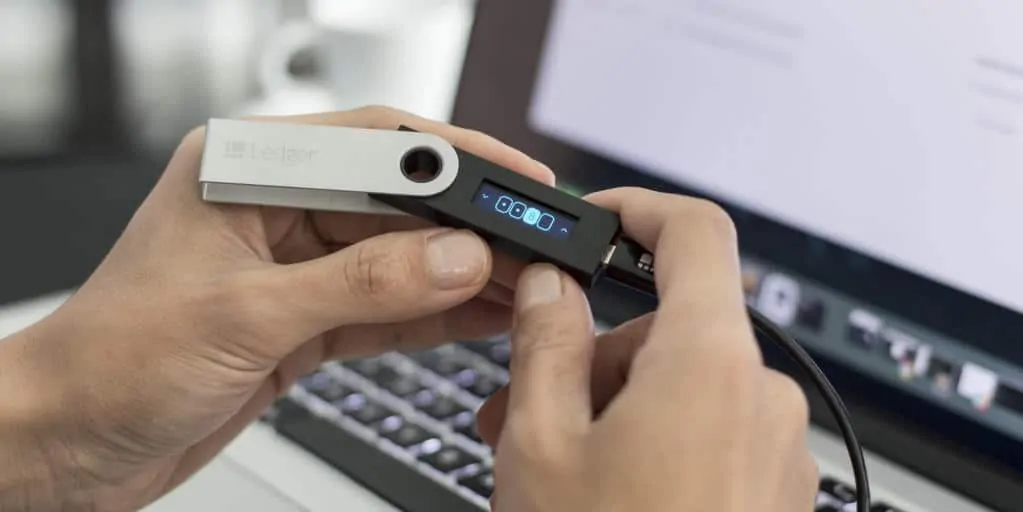
Hardware wallets are physical devices built to store private keys offline. Companies like Ledger, Trezor, and Coldcard manufacture these devices.
They keep your keys isolated from internet-connected computers, which helps protect against malware.
To send bitcoin, you connect the device to your computer or phone. You approve the transaction on the device itself and then disconnect it.
Your private keys never leave the hardware wallet, even while it is connected.
Hardware Wallet Characteristics:
- Security level: Highest available for individual users
- Cost: Typically $50–$200 per device
- Best for: Long-term storage of large bitcoin amounts
- Convenience: Requires a physical device to transact
- Backup: Recovery seed phrase stored on paper or metal
Hardware Wallets are Physical Devices
Software Wallets
Software wallets are apps installed on a computer or smartphone. They generate and store private keys directly on your device.
Popular options include BlueWallet, Sparrow Wallet, and Electrum for desktop. Mobile options with Lightning support include Phoenix and Muun.
These wallets are more convenient than hardware wallets. You can send and receive bitcoin instantly without extra devices.
However, they are more exposed to risk. Your keys live on an internet-connected device, which could be compromised by malware or theft.
Software Wallet Trade-offs:
- Security level: Strong if the device is secure, weak if compromised
- Cost: Free or very low cost
- Best for: Moderate amounts and frequent use
- Convenience: Immediate access to funds
- Features: Often include Lightning Network support
Multisignature Wallets
Multisignature, or multisig, wallets require more than one private key to authorize transactions.
A common setup is 2-of-3. You might hold two keys on separate devices, while a third key is stored elsewhere or with a trusted party.
This setup reduces single points of failure. If one key is lost or stolen, your bitcoin remains safe.
Even if one device is compromised, an attacker still cannot move funds without the other keys.
Services like Unchained Capital and Casa focus on multisig solutions with different levels of user control.
How Do Self Custody Wallets Work?
Self custody wallets create and manage two cryptographic keys: a private key and a public key.
The private key must remain secret. It proves ownership and authorizes transactions.
The public key can be shared and is used to generate bitcoin addresses.
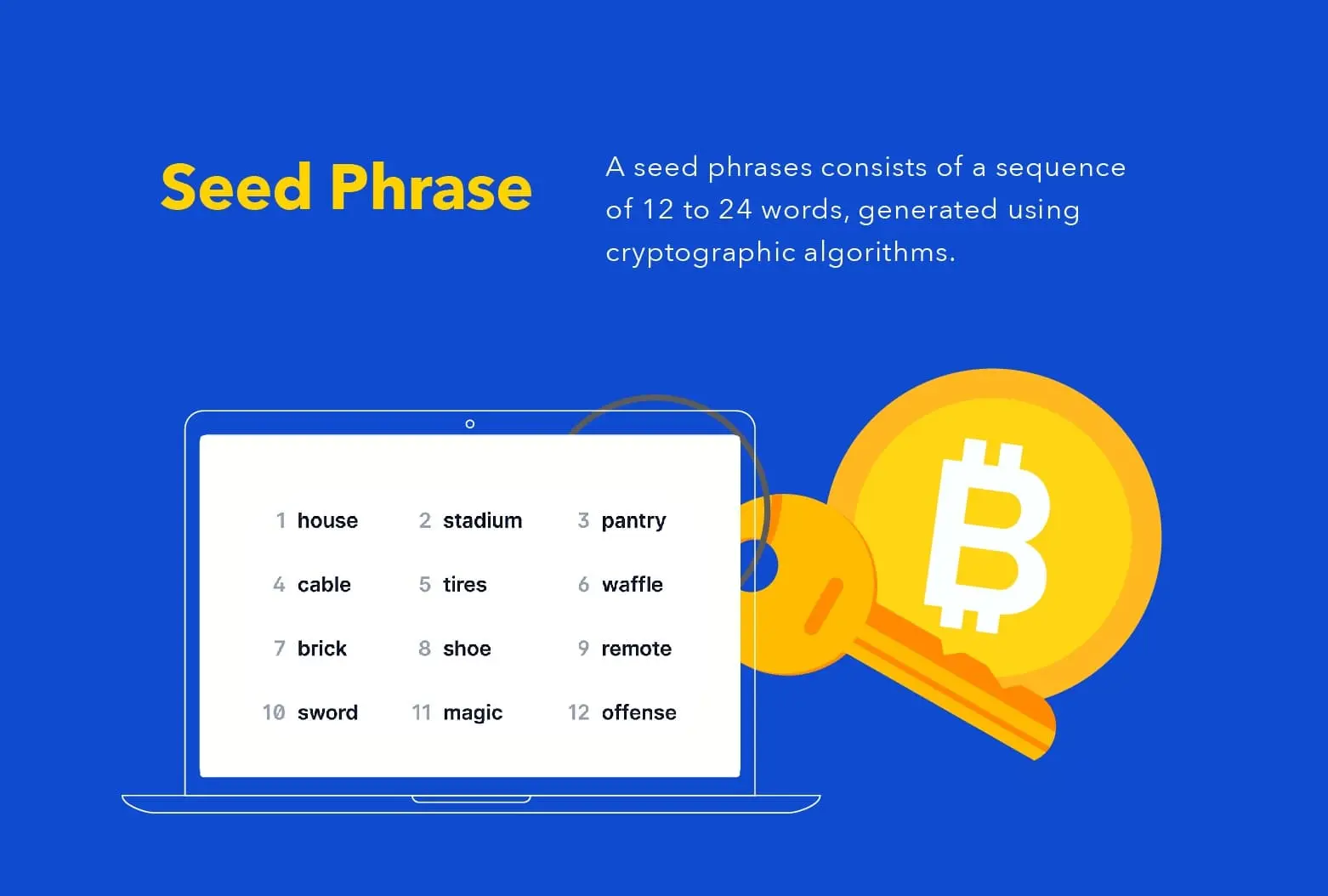
During setup, your wallet creates a recovery seed phrase. This phrase usually contains 12 or 24 random words.
The seed phrase is a readable backup of your private keys. Anyone who has it can restore your wallet and access your bitcoin. This makes secure storage essential.
Seed Phrase:
A set of 12 or 24 words used to recover your wallet if your device is lost or damaged.
Technical specification (BIP-39)
What is a Seed Phrase?
When you receive bitcoin, funds are sent to an address derived from your public key. The transaction is recorded on the Bitcoin blockchain.
Only someone with the matching private key can spend that bitcoin later.
When you send bitcoin, your wallet creates a digital signature. This signature proves ownership without revealing your private key.
Bitcoin nodes verify the signature before confirming the transaction.
Why Choose Self Custody Over Exchange Storage?
Self custody removes counterparty risk. No third party can fail, get hacked, or block access to your funds.
Major exchange failures like Mt. Gox (2014), QuadrigaCX (2019), and FTX (2022) caused billions in customer losses. These events show the danger of custodial storage.
With self custody, you control your bitcoin at all times. You can transact 24/7, even during market stress.
Exchanges often pause withdrawals, impose limits, or enforce KYC delays. Self custody removes these barriers.
Self Custody Advantages:
- No counterparty risk: No exchange can freeze or lose your bitcoin
- Better privacy: No third party tracking your balances
- True ownership: No permission needed to transact
- Always available: No downtime or withdrawal limits
- Protection from bail-ins: Your bitcoin cannot cover exchange losses
Self custody also supports Bitcoin’s role as censorship-resistant money. When you hold your keys, no government or institution can block your transactions.
This is especially important in countries with unstable banking systems or capital controls.
What Are the Responsibilities of Self Custody?
Self custody puts full responsibility on you. You must protect your private keys and ensure reliable access.
This responsibility is both the benefit and the challenge of self custody.
Your most important task is protecting your seed phrase. Most users write it on paper or engrave it in metal.
Store it in a secure place, such as a fireproof safe or safety deposit box.
Never store your seed phrase digitally. Photos, documents, and cloud storage are vulnerable to hackers.
Key Security Responsibilities
Backup and Recovery:
- Write your seed phrase on paper or metal
- Store backups in multiple physical locations
- Test recovery with small amounts first
- Never store seed phrases digitally
- Consider multisig for very large balances
Operational Security:
- Use dedicated devices for large holdings
- Verify addresses on the device screen
- Download wallets only from official sources
- Keep software and systems updated
- Protect devices with strong PINs or passwords
You are also responsible for avoiding transaction mistakes. Sending bitcoin to the wrong address or falling for phishing scams can cause permanent loss.
Bitcoin transactions cannot be reversed.
The learning curve can feel steep at first. However, most users gain confidence quickly. Start with small amounts and scale up as you learn.
How to Set Up a Self Custody Wallet
Setting up a self custody wallet involves choosing a wallet, initializing it securely, backing up recovery data, and testing everything.
The process usually takes 30 to 60 minutes.
Initial Setup Steps
Choose a wallet that fits your needs. Hardware wallets are best for long-term storage. Mobile wallets work well for daily use and Lightning payments.
Buy hardware wallets only from official manufacturers. Avoid third-party sellers.
For software wallets, download from official sites or verified app stores.
Secure Initialization Process:
- Set up the wallet in a private location
- Write down the seed phrase exactly
- Confirm the seed phrase when prompted
- Secure the backup immediately
- Set a strong PIN or password
- Create your first receiving address
Testing and Verification
Before sending large amounts, test the wallet with a small transaction.
Send a small amount of bitcoin, wait for confirmation, and send it again.
Also test recovery. Restore the wallet using your seed phrase on another device.
This step confirms your backup works correctly.
Common Self Custody Mistakes to Avoid
Losing your seed phrase without a backup is the worst mistake. If both the wallet and seed phrase are lost, the bitcoin is gone forever.
No company or developer can recover lost keys.
Digital storage of seed phrases is another major risk. Photos and cloud backups can be stolen.
If it is online, assume it can be compromised.
Critical Errors to Prevent:
- Single backup location
- Skipping recovery tests
- Sharing seed phrases
- Not verifying receiving addresses
- Rushing transaction confirmation
Always verify addresses on your hardware wallet screen. Some malware can alter addresses shown on your computer.
Inheritance planning is also often ignored. If something happens to you, will others know how to access your bitcoin?
Clear instructions or multisig setups can help.
Self Custody and Lightning Network Integration
The Lightning Network allows instant, low-cost bitcoin payments.
On-chain transactions can take 10 minutes or more. Lightning payments settle in seconds and cost very little.
Self-custodial Lightning wallets like Phoenix, Breez, and Muun manage channels automatically.
They allow fast payments without deep technical knowledge.
Some platforms, such as Rhino Bitcoin, combine Lightning functionality with broader bitcoin services while keeping users in control of their keys.
Our guide on Bitcoin Lightning wallets explores these options in detail.
Security Best Practices for Self Custody
Strong self-custody security combines physical protection, digital hygiene, and redundant backups.
The goal is to protect against theft, disasters, malware, and phishing.
Physical Security Measures
Store seed phrase backups in multiple locations. Use geographically separate locations when possible.
Fireproof safes and safety deposit boxes provide strong protection.
For large holdings, metal backups like Cryptosteel or Billfodl offer added durability.
Digital Security Practices
Use dedicated devices for large balances. Avoid using everyday devices for long-term storage.
Keep wallet software updated, but only install updates from official sources.
Verify developer signatures when available.
Operational Security Checklist:
- Enable biometrics and strong PINs
- Use unique passwords
- Enable two-factor authentication
- Verify addresses before sending
- Use antivirus software
- Avoid sharing bitcoin details publicly
Tax Implications of Self Custody Bitcoin
Self custody does not remove tax obligations.
The IRS treats bitcoin as property. Capital gains apply when bitcoin is sold, traded, or spent.
According to IRS Notice 2014-21, each taxable event must be reported.
Self-custody users must track transactions themselves.
You must calculate cost basis and gains for each transaction. Many users rely on tax software like CoinTracker or TokenTax.
Long-term holdings may qualify for lower tax rates. As of 2024, long-term capital gains receive favorable treatment.
For official guidance, see IRS virtual currency guidance.
Frequently Asked Questions
What happens if I lose my hardware wallet?
You can recover your bitcoin using your seed phrase on a new device.
Can someone steal my bitcoin if they find my seed phrase?
Yes. Anyone with the seed phrase can access your bitcoin.
How is self custody different from cold storage?
Self custody refers to key ownership. Cold storage refers to keeping keys offline.
Should I use a passphrase?
A passphrase adds security but increases complexity. Losing it means losing access.
Can I recover bitcoin from a damaged wallet?
Yes, as long as you have your seed phrase.
How often should I check my wallet?
You can check balances using a blockchain explorer without exposing keys.
What’s the difference between Bitcoin and Lightning wallets?
Bitcoin wallets handle on-chain transactions. Lightning wallets handle instant payments.
Learn more in our article on differences between Bitcoin and Lightning wallets.
Can I use self custody for a Bitcoin IRA?
Some providers allow partial self custody, but IRS rules still require qualified custodians.
Conclusion
Self custody bitcoin wallets give you full control over your bitcoin by placing private keys directly in your hands.
They remove counterparty risk and provide true ownership. In return, they require personal responsibility for security and backups.
Key Considerations for Self Custody:
- Match wallet type to usage and balance
- Secure multiple physical backups
- Test recovery before large deposits
- Use Lightning for everyday spending
For users who want self custody with practical payment tools, explore Rhino Bitcoin's platform.
References
- Bitcoin.org — Secure Your Wallet
https://bitcoin.org/en/secure-your-wallet - Bitcoin Improvement Proposal 39 (BIP-39)
https://github.com/bitcoin/bips/blob/master/bip-0039.mediawiki - IRS — Virtual Currencies
https://www.irs.gov/businesses/small-businesses-self-employed/virtual-currencies - IRS Notice 2014-21
https://www.irs.gov/pub/irs-drop/n-14-21.pdf - Lightning Network Documentation
https://lightning.network/
Important Disclaimers
Disclaimer: Educational information only. Not financial, legal, medical, or tax advice.
Risk Warnings: All investments involve risk. Bitcoin is volatile.
Conflicts of Interest: Rhino Bitcoin provides Bitcoin financial services. This content is educational and may reference our products.
.png)
.png)